Battered Energy Markets Brace for Second Wartime Disruption
After a welcome pause in hostility, war has put crude oil back on slick footing, with international benchmark Brent rising 13.5% last week.
Sign up for smart news, insights, and analysis on the biggest financial stories of the day.

After a welcome pause in hostility and volatility, war has put crude oil back on slick footing.
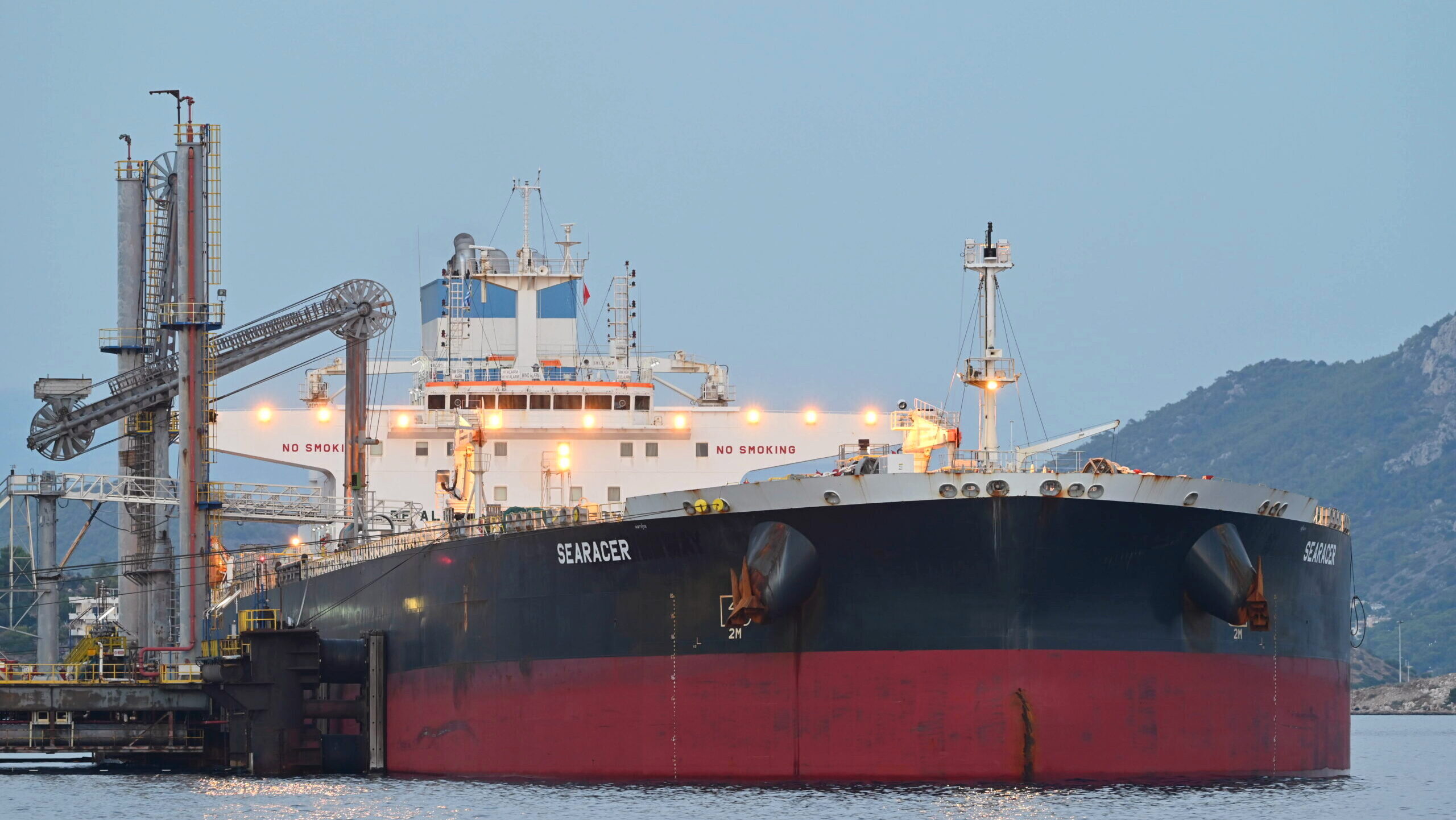
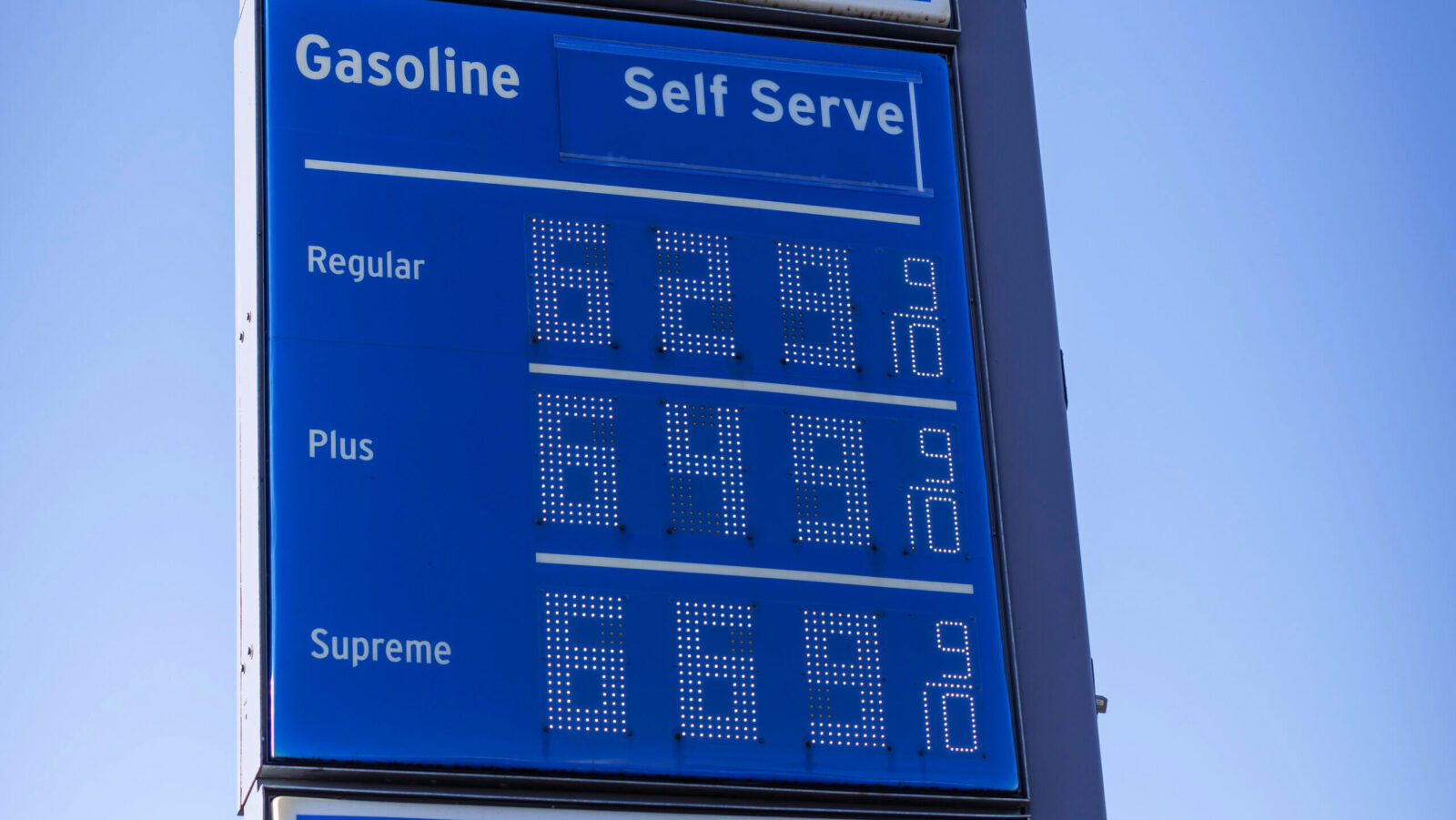
Last week, international benchmark Brent crude rose 13.5% to $88 per barrel, marking its biggest weekly jump since April. This morning, the average price of a gallon of gas in the US crossed the $4 threshold. The breakdown of a ceasefire between the US and Iran led to a precipitous shutdown of the Strait of Hormuz, just as shipping traffic through the world’s most crucial energy chokepoint had restarted after a months-long hiatus.
Double Jeopardy
President Donald Trump declared the ceasefire, memorialized in a June 17 memorandum of understanding, to be “over” on July 8, one day after the US military said Iran struck three ships in the Strait and the US retaliated. Trump left the door open to negotiations, but last week marked the return of wider hostilities that had driven oil prices to $126 a barrel in April. To make matters worse, some experts fear the re-escalation could be harder on energy markets than the first time around.
The International Monetary Fund said last week that oil prices proved relatively resilient in the spring, avoiding doomsday $200-per-barrel forecasts and falling close to pre-war levels in early July, because of three key factors. Higher prices led to a decrease in demand, especially in Asia. Production outside the Persian Gulf, 2 million barrels a day higher than 2025 levels, rose faster than expected. And, finally, the release of commercial inventories and strategic reserves, now depleted, eased the supply shortfall. Now, the agency warned, the global economy is in a much weaker position:
- “What cushioned the initial blow this time is that energy markets had room to maneuver and absorb it,” wrote IMF economists Azim Sadikov and Jean-Marc Natal. “As tensions flare again in the Strait of Hormuz, that room is now smaller and shrinking further as spare capacity has been deployed, demand has compressed, and inventories have been drawn down.”
- They noted that over 1.1 billion barrels of crude, equal to roughly 10 days of typical global consumption, hadn’t reached the market because of the conflict as of late May. This, they said, represented a bigger disruption than the 1973 oil shock, the Iran-Iraq war and the Gulf War at the same stage of disruption.
Growth Watch: The IMF projected world economic growth will narrow to 3% this year, down from the 3.1% projected in April, and warned there’s room for further downgrades if conflict continues.
Recent News
-

Photo illustration by Connor Lin / The Daily Upside, Photos by Gearstd and Rodworks via iStock and Muhammad Abdullah via Freepik





-
Photo illustration by Connor Lin / The Daily Upside