Lackluster Retail Sales Mask a (Short-Lived) Silver Lining
Cooling retail sales growth in June reflects a brief decline in gasoline prices amid a short-lived ceasefire between the US and Iran.
Sign up for smart news, insights, and analysis on the biggest financial stories of the day.

Headline numbers don’t tell the whole story.
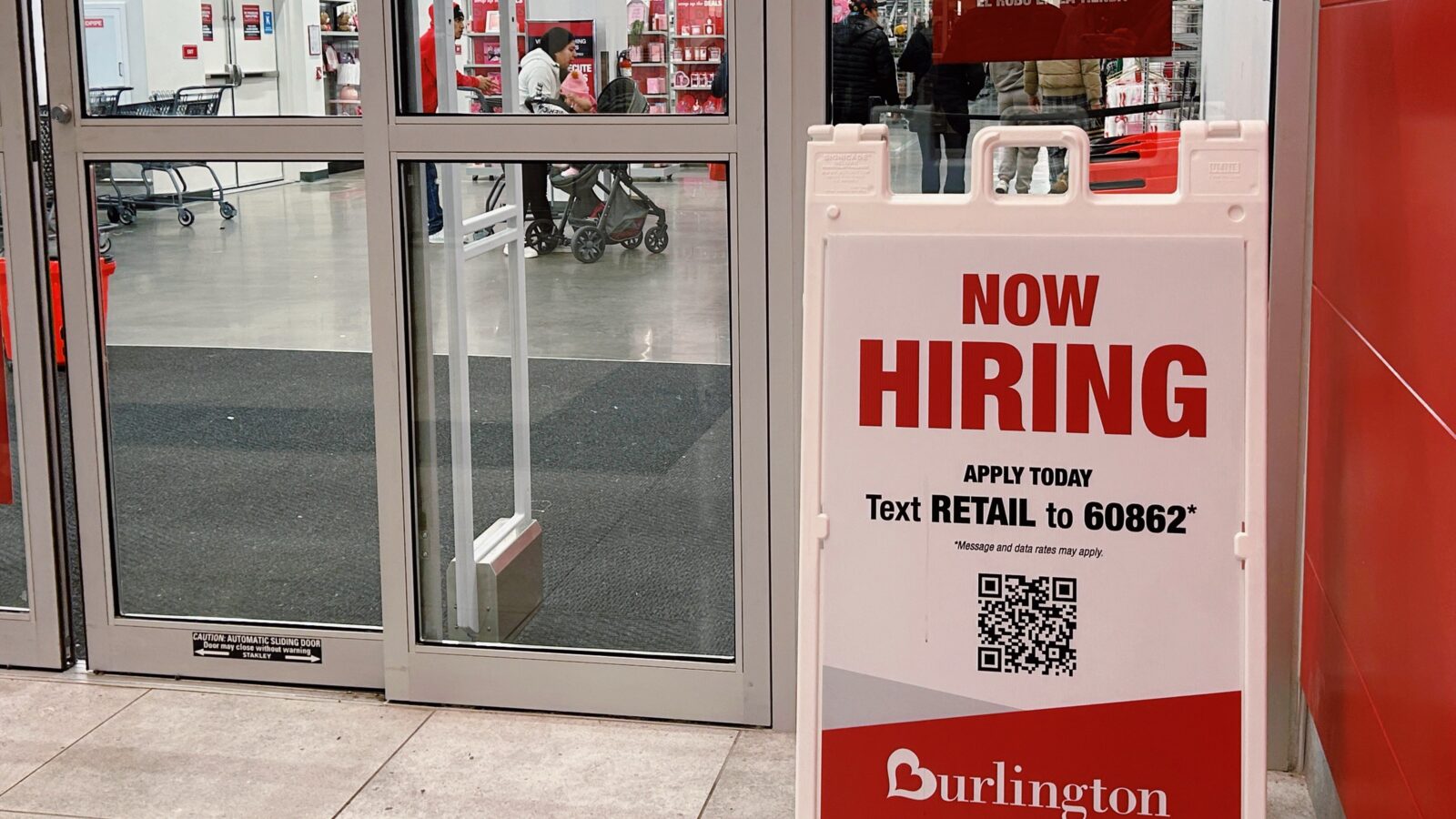
Retail sales rose 0.2% in June from the prior month, the Commerce Department reported Thursday, a sharp decline from May’s revised 1% increase and lagging the 0.3% that economists polled by FactSet expected. There’s a reason that’s a good thing.
Grumble and Spend
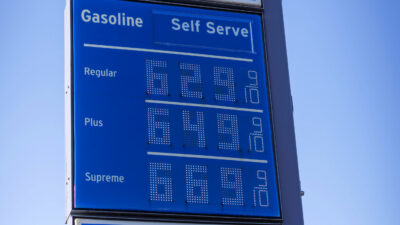
“Cooler headline growth of retail sales in June is actually good news, reflecting lower gas prices,” said Bill Adams, chief US economist for Fifth Third Commercial Bank. Indeed, consumer price data (CPI) released by the Labor Department earlier this week showed energy costs fell 5.7% last month, with the price of gas at the pump tumbling a welcome 9.7%.
Since March, energy prices have been under more pressure than a Martha Stewart Instant Pot recipe, with hostilities between the US and Iran disrupting crude oil shipping in the Persian Gulf. Prices are rising again this week amid renewed tension, but diplomatic thawing in June brought them down considerably. The price of Brent crude oil, the global benchmark, stood at about $84 a barrel yesterday, above the $72 going rate from one year ago but well below the $126 it touched in late April.
That’s reflected in the headline retail sales number, which was dragged down by a 5.3% drop in gas station sales. In fact, excluding gas stations, sales climbed a solid 0.7%. Additional underlying data shows the top number masking what was actually a solid month:
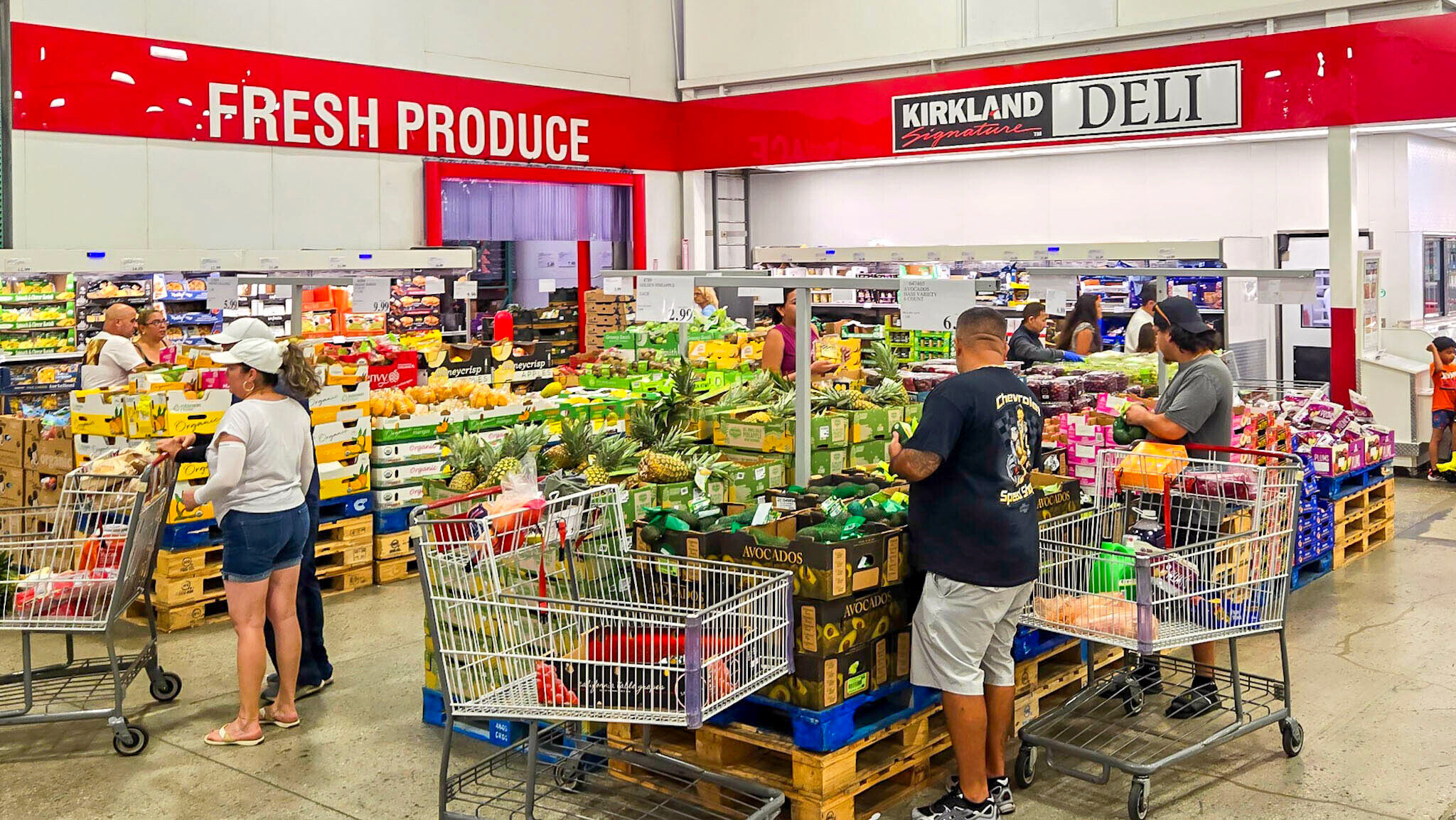
- Discretionary spending was very strong: Sales rose 15.2% year over year at sporting goods, hobby, musical instrument and book stores; 14.2% at nonstore retailers (like Amazon); 8.6% at electronics and appliance stores; and 6% at car dealerships.
- “As they have throughout the post-pandemic expansion, consumers are grumbling about the state of the economy in surveys, then turning around to spend open-handedly,” Adams noted. At least the Consumer Price Index showed inflation fell 0.4% last month, the biggest drop since April 2020 and cause for a tiny bit less grumbling.
See the Revision: Thursday’s good news goes back a few months, as the Commerce Department revised the April-to-May increase from 0.9% to 1%. That signals a boost for second-quarter GDP, and for retailers set to report in the next few weeks: The VanEck Retail ETF, which tracks the largest US retailers, rose 1.6% Thursday.
Recent News


-

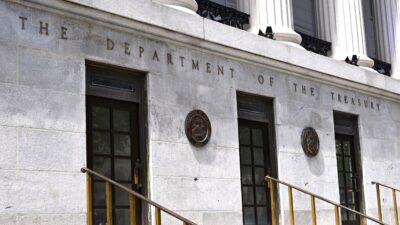
Photo illustration by Connor Lin / The Daily Upside, Photos by Gearstd and Rodworks via iStock and Muhammad Abdullah via Freepik