Cartier-Parent Richemont Ices Out Rivals
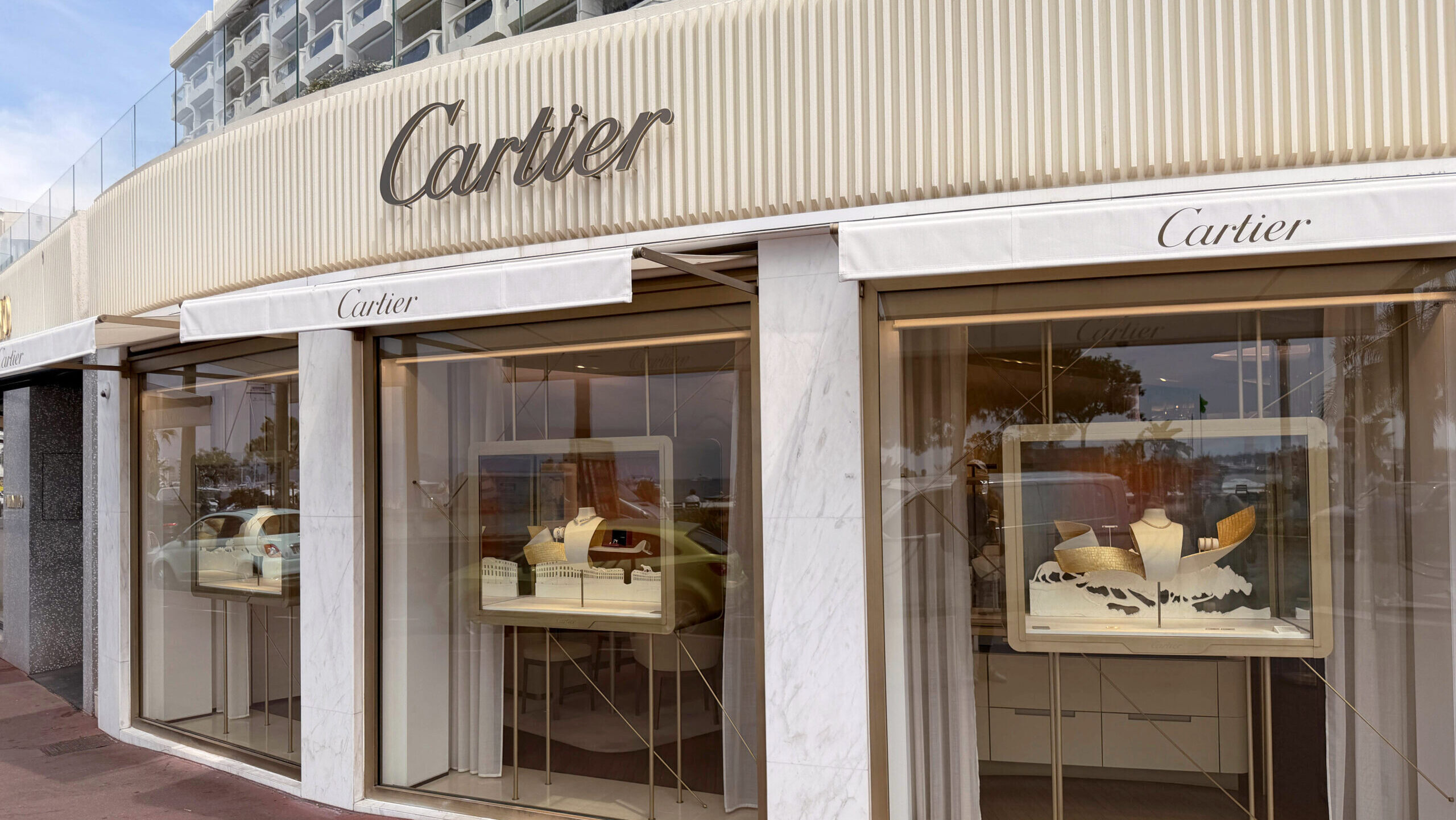
Richemont notched its seventh straight quarter of double-digit growth in its jewelry segment, where Cartier bracelets helped boost sales 24%.
Sign up for smart news, insights, and analysis on the biggest financial stories of the day.

Van Cleef’s signature four-leaf clovers are clearly bringing some luck to parent company Richemont. The Swiss group defied the wider luxury industry Wednesday when it reported a 20% surge in sales for the three months through June.
Richemont notched the seventh straight quarter of double-digit growth in its jewelry segment, where Van Cleef & Arpels necklaces and Cartier bracelets boosted sales 24%. Analysts had expected a less sturdy surge of nearly 14%. Meanwhile, watches (Richemont owns brands like Piaget and Cartier) jumped 8%, and fashion (see: Chloé and Alaïa) popped 9%.
The luxury sector overall, meanwhile, has struggled with depressed spending from big shoppers in China along with pickier spending habits around the globe.
Balancing Prestige and Price
Everyone from Love Island contestants to MLB players is decked out in Richemont-owned brands, and Taylor Swift is said to have given wedding guests Cartier watches. Richemont’s cultural cachet comes from a careful plan that has made the company’s brands simultaneously exclusive and accessible:
- Jewelry at all price points sold well for Richemont, which offers pieces that cost a (relatively) affordable few thousand dollars all the way up to one-of-a-kind creations that sell for more than $1 million. Richemont’s lowest tier of jewelry is still an aspirational buy for less affluent shoppers, and during tighter economic times, a Bernstein analyst told Reuters hardy jewelry may feel like a more lasting purchase than a new handbag or outfit. Rival luxury brands that are more focused on fashion, including Louis Vuitton-owner LVMH and Gucci-parent Kering, have seen sales falter.
- Richemont has also powered through global trends dragging down luxury sales. The Swiss group’s revenue rose by double digits in the greater China region, where a continued downturn in luxury spending has been setting back sector-wide sales since the pandemic. Sales in the Middle East also grew despite disruptions related to the Iran War. Sales in Japan and the Americas led the global pack, though, rising 36% and 27%, respectively.
Trend or Fad: Richemont’s shares jumped about 7% yesterday after it shared its expectation-beating results. Other luxury giants, including LVMH, Hermès and Kering, seemed to ride the rising tide.