Macy’s Gets Some ‘Spring’ in its Step from CEO’s Turnaround Plan
The retailer notched its strongest first quarter for same-store sales in four years and its fourth straight quarter of gains.
Sign up for smart news, insights, and analysis on the biggest financial stories of the day.

It’s a miracle on 34th Street, subsidized by luxury shoppers and Warren Buffett’s checkbook.
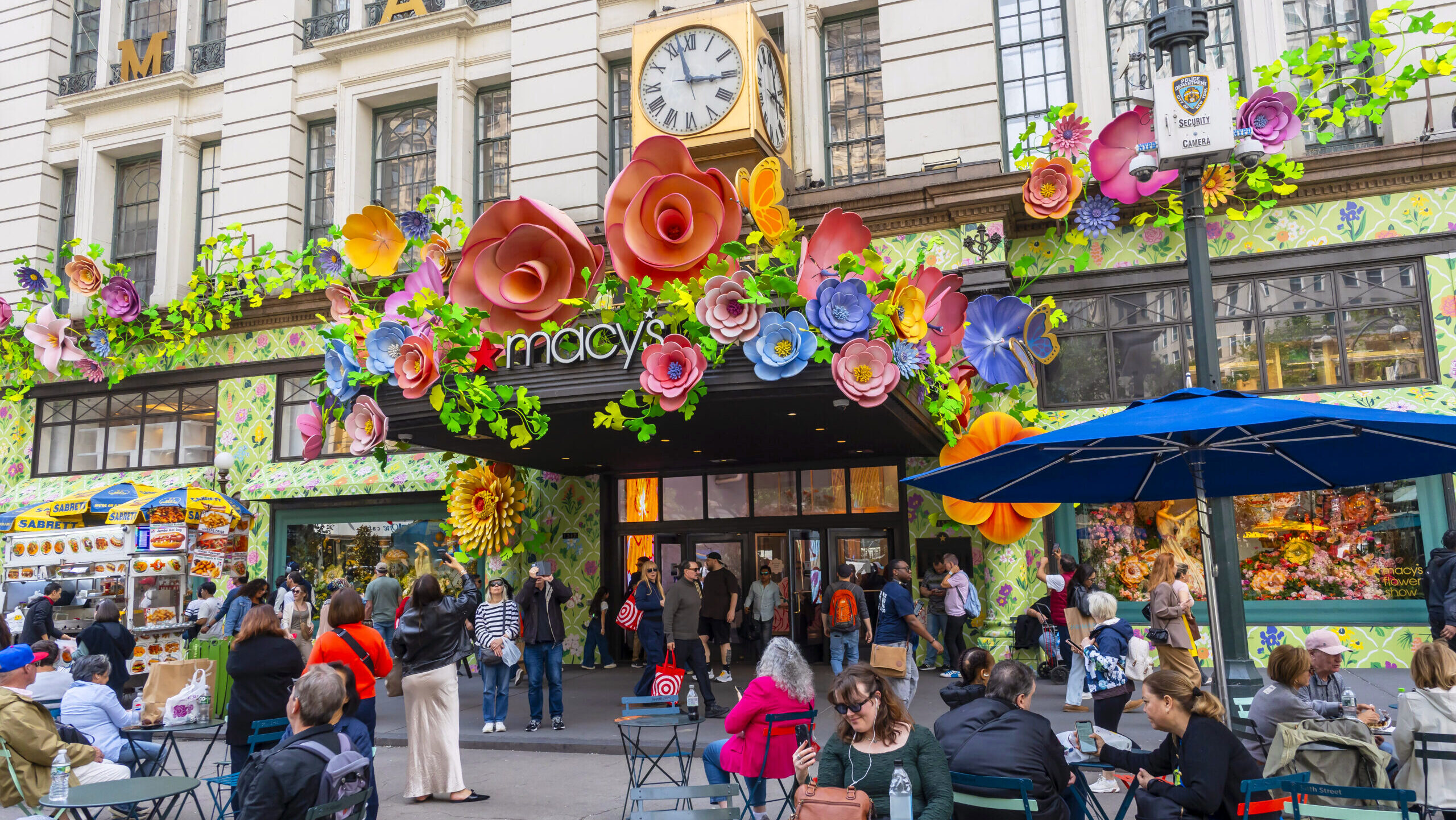
The 168-year-old Macy’s shared spring-quarter earnings yesterday that beat analysts’ expectations. Looking at same-store sales, Macy’s notched its strongest first quarter in four years and its fourth straight quarter of gains. Profits jumped to $63 million from $38 million a year ago.
All that springtime success led the retailer to up its guidance for the year, anticipating that its CEO’s turnaround plan would continue to refresh its once-musty wardrobe.
Business Is Bloomin’
Macy’s slogged through 12 straight quarters of same-store sales declines leading up to mid-2025. But CEO Tony Spring had been prepping the retailer for a comeback since taking the helm the year before. Then, in September of last year, Macy’s showed its first glimmers of growth with rising same-store sales.
Spring, who took over Macy’s after spending nearly four decades climbing the ranks at Bloomingdale’s, laid out a plan to close 150 underperforming Macy’s locations, which is nearly 80% complete. At the same time, the company has prioritized its digital sales, recently adding an AI-powered chatbot to its site.
But Spring’s roadmap not only culls Macy’s weaknesses but also flexes its strengths, one of which Spring is well aware of:
- Bloomingdale’s is leading the wider turnaround at Macy’s, notching a 10% same-store sales jump in the most recent quarter while hitting a sales-volume record (same-store sales at the main Macy’s brand rose ~2%). The high-end store has been on a spree for several quarters and is probably starting to see a boost from the bankruptcy of rival Saks Global. The retailer has hung “Everything Must Go” signs on more than half of its Saks Fifth Avenue stores, sending Ferragamo-seeking shoppers to Bloomingdale’s.
- Macy’s has leaned into its success selling higher-end items by adding more brands, such as Chloe and Miu Miu, to shelves across all three of its businesses. Macy’s-owned makeup store Bluemercury also outpaced its parent with same-store sales gains of more than 6%.
Trading Up: Macy’s stands out from its department-store peers. Kohl’s is also trying to make a comeback happen, and while its sales declines narrowed in the most recent quarter, they’re still declines. JCPenney has fared worse trying to turn its fortunes around, posting steeper losses in the fourth quarter. Macy’s, meanwhile, has won support from a key influencer: Berkshire Hathaway recently bought 3 million shares — a small purchase that may have been made by Chairman and former CEO Buffett, who in March said, “Got one tiny purchase.” Macy’s faces the same harsh economic environment as its rivals, but Spring’s focus on catering to the upper end of the K-shaped economy could keep its future out of the bargain bin.