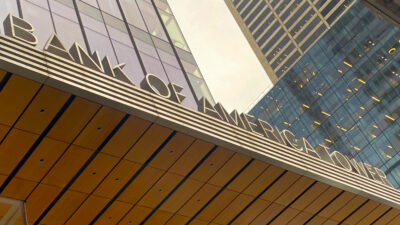
Wall Street Banks Weigh Buying Card Payment Network to Escape Fee Caps
The Electronic Payments Coalition has said issuers have lost tens of billions in revenue because of the interchange fee cap.
Sign up for smart news, insights, and analysis on the biggest financial stories of the day.

The times they are tentatively, not with any certainty, maybe a-changin’.
In a move borrowed from the founding members of the Justice League, a group of big US banks reportedly talked about banding together to buy their own payments network. They’re looking for a way to get around a controversial 15-year-old federal cap on debit card fees charged to retailers. There’s plenty of reason to doubt it will go ahead, although plenty of evidence it might benefit consumers.
Let Me Be Dodd–Frank
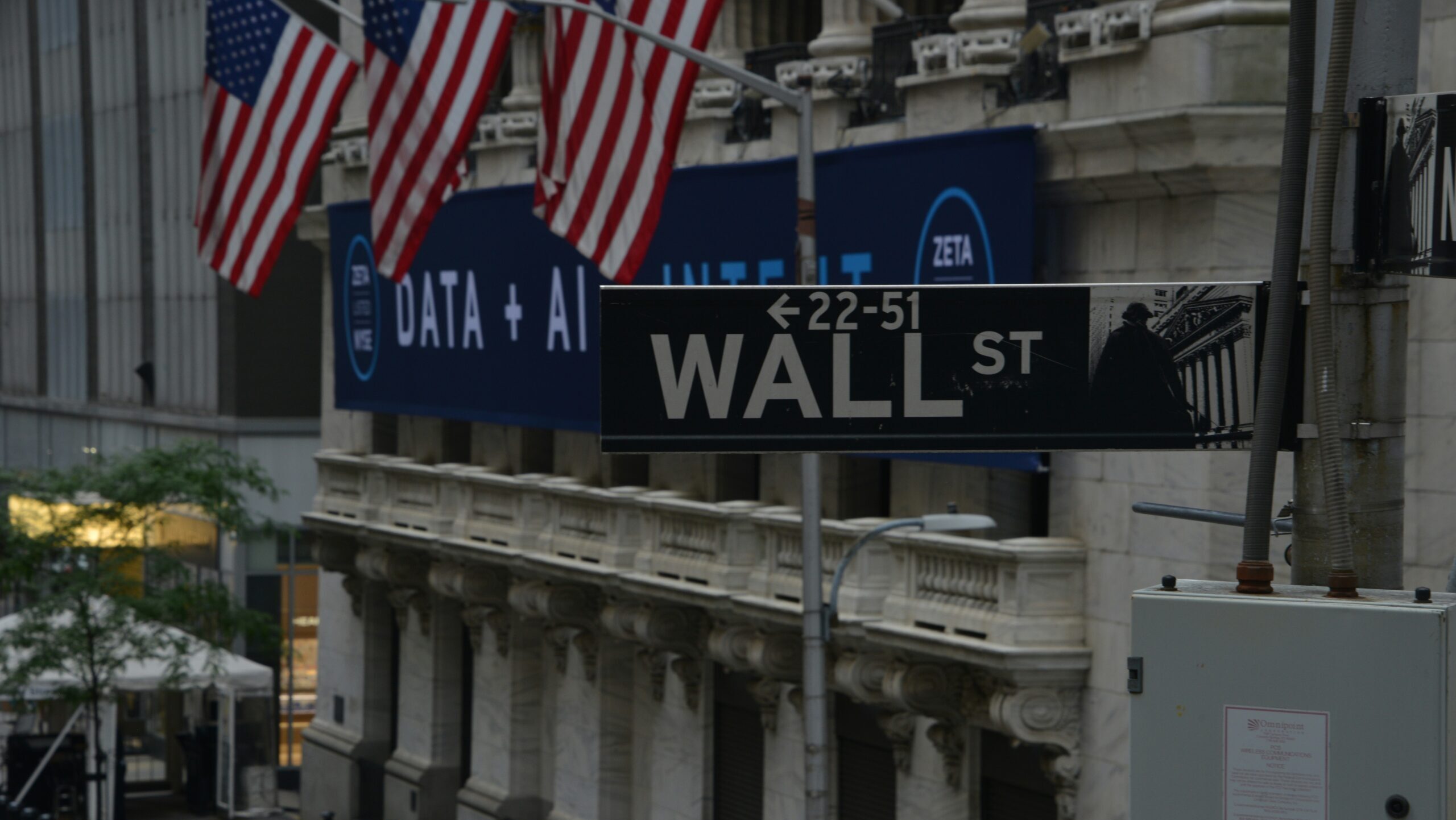
The Wall Street Journal reported earlier this week that JPMorgan Chase, Bank of America, Wells Fargo and PNC are among a group of banks that have discussed acquiring a network from struggling fintech Fiserv to route their debit card transactions. That would allow them to avoid federal caps on the merchant fees large banks collect from debit transactions routed through outside networks, put in place under the 2010 Dodd–Frank Act via what’s commonly referred to as the Durbin Amendment.
Capital One set a precedent when it acquired payments provider Discover. Later this month, the bank is set to begin migrating its debit cards from the Visa and Mastercard networks to its own, where it will be exempt from federal fee caps on interchange fees paid by merchants. Advocates and experts say it could help lenders and consumers:
- The Electronic Payments Coalition, a lobbying group for banks and credit unions, has said issuers have lost tens of billions in revenue because of the fee cap. The group’s credit unions and community banks, which were supposed to be exempt from the rule, said they lost a quarter of their debit card revenue.
- Last year, both the liberal Progressive Policy Institute and the conservative National Taxpayers Union found the cap has hurt American consumers by prompting financial institutions to reduce free checking accounts (from 60% of consumers at affected banks to 20%, according to an NYU study).
The winners, according to the Progressive Policy Institute, have been large retailers, which captured savings from the lower fees while consumers ended up with higher banking costs. “The very people these policies were intended to help end up paying more,” said Institute co-founder Robert Shapiro.
Not Worth the Hassle? Don’t expect change any time soon. Some banks that were involved in the discussions have already backed out after determining they weren’t interested in the Fiserv network, the Journal said. Others, the paper added, are worried that proceeding with a move would anger politicians, regulators or merchants.