Marvell Joins S&P as Volatility Slams Chip Sector
There’s been a bit of a vibe shift since Nvidia CEO Jensen Huang tabbed Marvell as “next trillion-dollar company” just a week ago.
Sign up for smart news, insights, and analysis on the biggest financial stories of the day.

Marvell Technology’s timing has been not so marvelous.
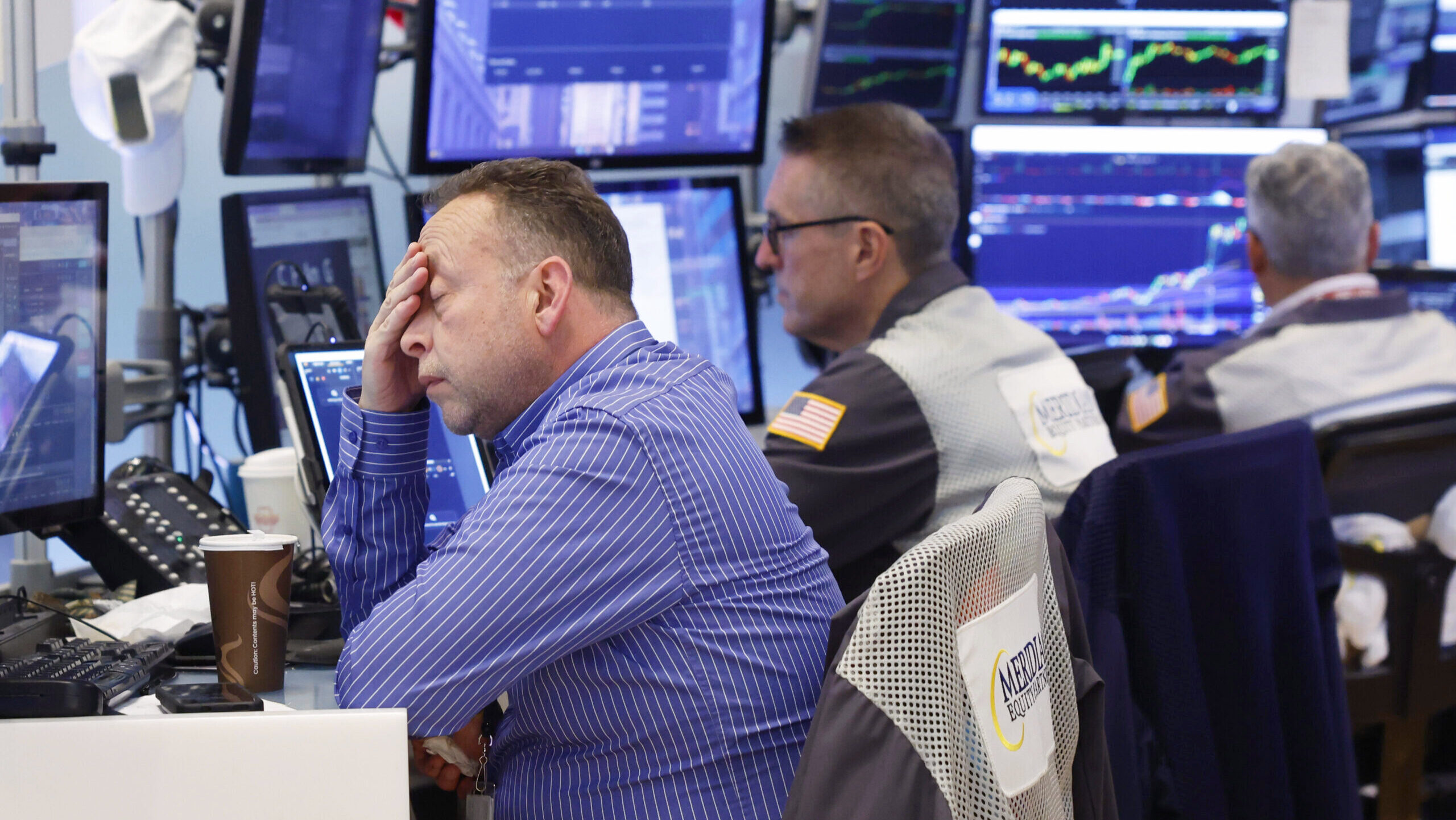
Shares of the semiconductor company jumped more than 9% on Monday during its first session trading on the S&P 500. The exuberance is typical of the so-called “S&P Bump.” While the sugar high historically wears off over time, Marvell’s bump smoothed out atypically fast; shares of the company plummeted nearly 8% on Tuesday as part of an ongoing chip sector rethink. But it’s unclear whether the sector is entering correction territory.
Whiplash
There’s been a bit of a vibe shift since Nvidia CEO Jensen Huang tabbed Marvell (current market cap $229 billion) as “next trillion-dollar company” just a week ago. An after-the-bell earnings call from Broadcom last week that showed its outlook for AI-related sales was merely really excellent, rather than the near–perfect expectations Wall Street had priced in, triggering a sector-wide selloff. The Nasdaq 100 fell about 5%, while the S&P fell 2.6% on Friday, bringing to an end a nine-week winning streak for the index.
Monday delivered a rebound, only to dip again on Tuesday as the chips sector rebound ran out of steam. BNP Paribas analysts warned clients that the forthcoming massive SpaceX IPO may be leading retail investors to sell semiconductor stocks to buy into Elon’s tech conglomerate, and now a schism is forming on Wall Street over what to do next:
- On the more pessimistic side, Bank of America’s top US equities analyst on Friday published a note warning there are “too many red flags,” including the particularly high expectations for future earnings growth, and said it was “time to take profits.”
- On the more optimistic side, JPMorgan Asset Management portfolio manager Jack Caffrey said on Bloomberg’s Surveillance show that he expects stocks to continue to power through the volatility.
Narrowing the Field: “A lot of it’s just simply positioning. For the first two months of the year, about two-thirds of the market was outperforming the S&P,” Northwestern Mutual portfolio manager Matthew Stucky told The Daily Upside. “From the end of February up until Broadcom reported earnings, just a little over 20% of companies were outperforming. It got really narrow as rates rose.”
Recent News







-

Photo illustration by Connor Lin / The Daily Upside, Photo by Alesmunt via iStock