Mounting US Budget Deficit Complicates Fed’s Interest Rate Choices
Assets into funds that track the artificial intelligence segment have risen sharply since last year, per J.P. Morgan.
Sign up for smart news, insights, and analysis on the biggest financial stories of the day.

There has long been an elephant in the Federal Open Market Committee’s room as it tries to accomplish its mission of promoting maximum employment and stable prices. It’s just much, much bigger now, and it’s hard to ignore a $2 trillion elephant.
That’s roughly how much the US government is issuing in new Treasury bills and bonds each year as the country’s budget deficit swells. Its massive spending problem isn’t new: The US has run a deficit for more than two decades, helped along by the 2008 financial crisis and the COVID-19 pandemic. But the economy is looking relatively healthy now, with inflation down from its decades-high record in 2022, shrinking to 3.5% in June. Weekly jobless claims just dropped to their lowest level since 1969. And yet the government is still issuing increasing amounts of debt. Economists say it’s unsustainable.
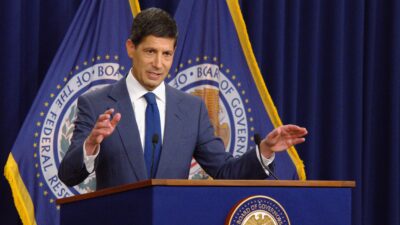
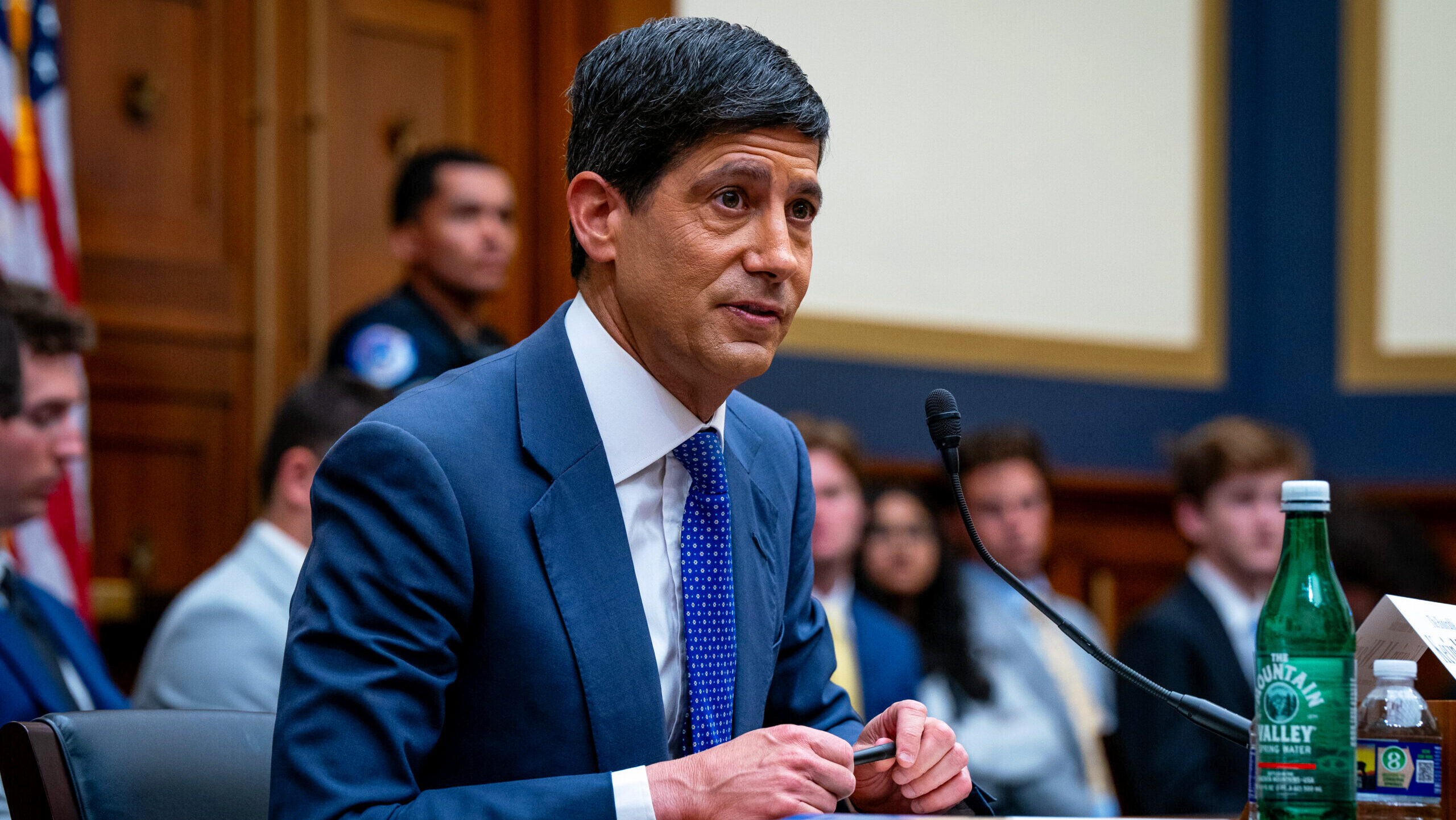
Reducing the federal deficit may be Congress’s job, but the central bank, led by Chair Kevin Warsh, has to contend with the economic effects of Treasury borrowing as it determines whether to hike, cut or hold interest rates steady. A committee that already is split on where interest rates should head will gather this week to decide what’s next as a growing chorus of experts point to the problem the federal deficit poses.
Bond Market Blues
The crux of the issue for policymakers lies in the bond market. Investors aren’t going to buy up all the new Treasuries hitting the market just because.
“As the government continues to issue increasing amounts of debt to finance its spending, the supply of Treasury securities in the market grows,” explained Debbie Hippensteel, senior portfolio manager at River Wealth Advisors. “If investor demand does not keep pace with this increased supply, bond prices may decline, resulting in higher yields.”
Those higher yields can then ripple through the economy:
- Borrowing costs for mortgages and auto loans, for instance, go up for both consumers and businesses, which is also what happens when the Fed raises the federal funds rate.
- As a result, even if the Fed doesn’t raise rates, financial conditions may still tighten, which complicates the decision.
FOMC’s July Meeting: The Fed is widely expected to keep interest rates unchanged when it announces its decision Wednesday after the monetary policy committee’s two-day meeting. CME’s FedWatch tool placed the likelihood of the central bank keeping rates steady at 64.2% as of Friday morning. But a hike could be coming soon. FedWatch puts the odds of the Fed raising rates at the September meeting at 80.1%.
Recent News

-

Photo illustration by Connor Lin / The Daily Upside, Photo by Feedough via iStock



-
Photo illustration by Connor Lin / The Daily Upside