Bank Earnings Bonanza Offers Top-to-Bottom Review of US Economy
Five of the six largest US banks will report their second-quarter earnings tomorrow in Wall Street’s very own Super Tuesday.
Sign up for smart news, insights, and analysis on the biggest financial stories of the day.

The primaries for the 2028 US presidential election are still a little less than two years away. In the meantime, Wall Street’s hosting its very own Super Tuesday.
Five of the six largest US banks — Bank of America, JPMorgan Chase, Wells Fargo, Goldman Sachs and Citigroup — will report their second-quarter earnings tomorrow. Morgan Stanley, the sole outlier of the bunch, will follow on Wednesday. Investors, economists, Wall Street and Main Street will get a top-to-bottom look at the US economy.
Volatility Payoff
In the past three months, unstable geopolitics and AI disruption helped maintain the state of heightened market volatility dating back to the Trump administration’s spring 2025 trade war. That has buoyed the fortunes of big banks, whose trading desks and advisory teams are more than happy to surf the resulting swings in equities and capital markets activity like they’re on permanent holiday in Bali.
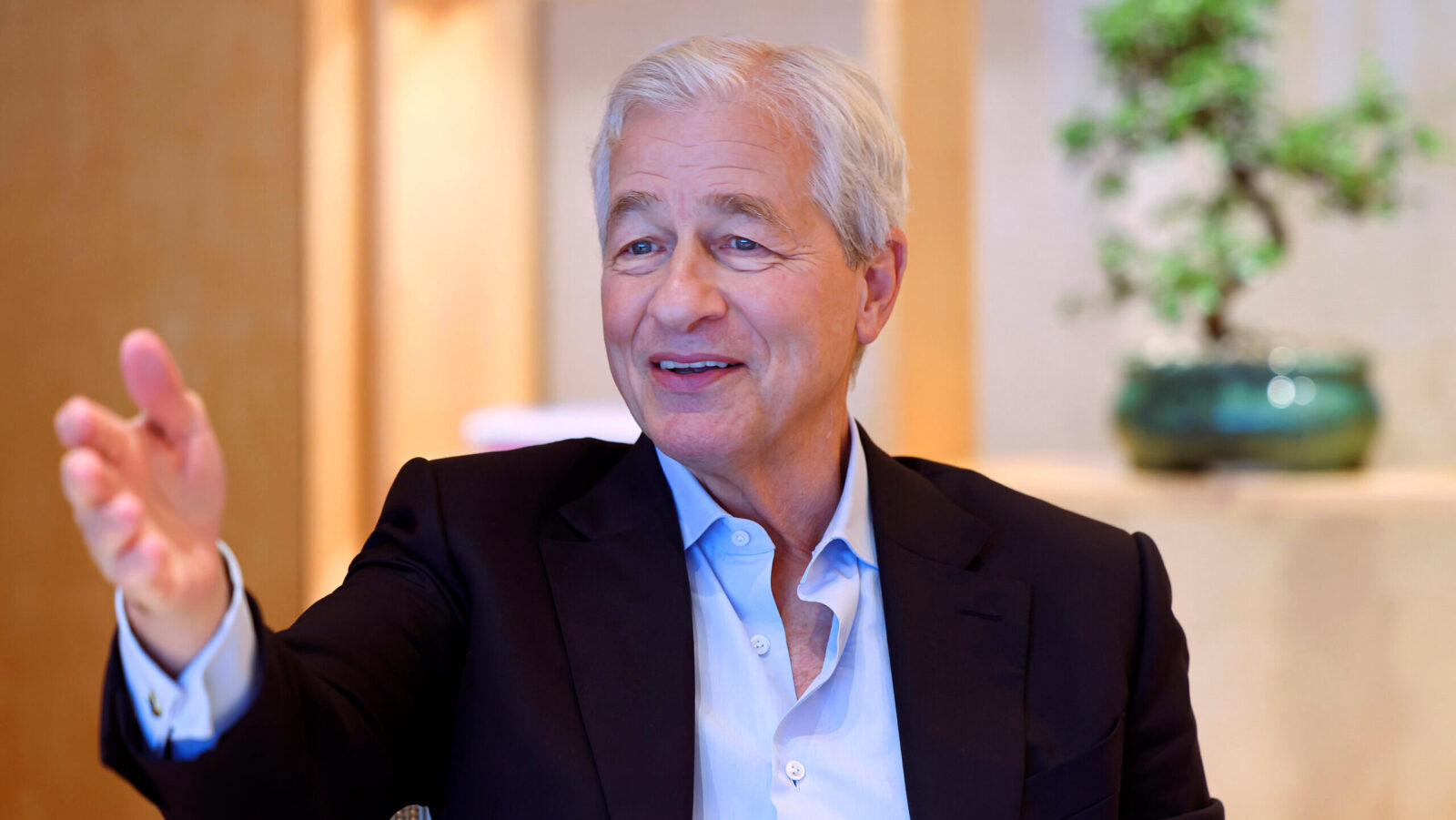
Analysts expect the banks to carry momentum from the first quarter, when elevated stock trading fueled by the Iran war resulted in record-setting equities earnings on Wall Street. Forecasts suggest this will be the second-best quarter ever. SpaceX’s unprecedented megacap IPO, which added to the surge in equities trading and brought in roughly $500 million in underwriting fees for banks that advised on the listing, was another fortuitous factor. “It’s gung-ho, folks,” JPMorgan CEO Jamie Dimon told a conference in May. “M&A is like the best year we’ve had, I’ve forgotten in how many years. [Equity capital markets] is going to be huge this year.”
But banks operate cyclical businesses, and there’s no guarantee of how long these conditions will last. Investors will want to hear what executives have to say about credit quality, loan demand, capital returns and margins, all of which are vital signs of the Main Street economy that remains Wall Street’s bedrock. It looks somewhat supportive for now:
- Consumer spending and business investment have proven resilient enough to allow the Federal Reserve to hold interest rates steady and prioritize curbing inflation. Labor market growth has slowed, though, with payrolls up just 57,000 in June.
- For the first quarter, JPMorgan reported that average loans rose 11% and average deposits climbed 7%. Federal Reserve data released Friday implies the robust lending environment continued in the second quarter, especially in the commercial and industrial sectors.
Not Waiting Around: The KBW Nasdaq Bank Index is up 14% this year, better than the S&P 500’s 10.6% and reflecting favorable conditions for lenders. Most analysts expect the good times to continue, but brokerage Oppenheimer advised clients in a note last month that the expansion cycle may be approaching its end: “While the cycle may well go on for another 12 to 18 months or more, we’d rather not wait around for the warning signs to appear, and thus particularly in the case of the investment banks, we are more inclined to take the money and run.”