Don’t Blame AI for College-Grad Unemployment
The Federal Reserve Bank of New York says remote work is a driving force behind the rise in unemployment among young college graduates.
Sign up for smart news, insights, and analysis on the biggest financial stories of the day.

College graduates, it’s time to stop moping about AI and hit the career fairs. Jobs are back.
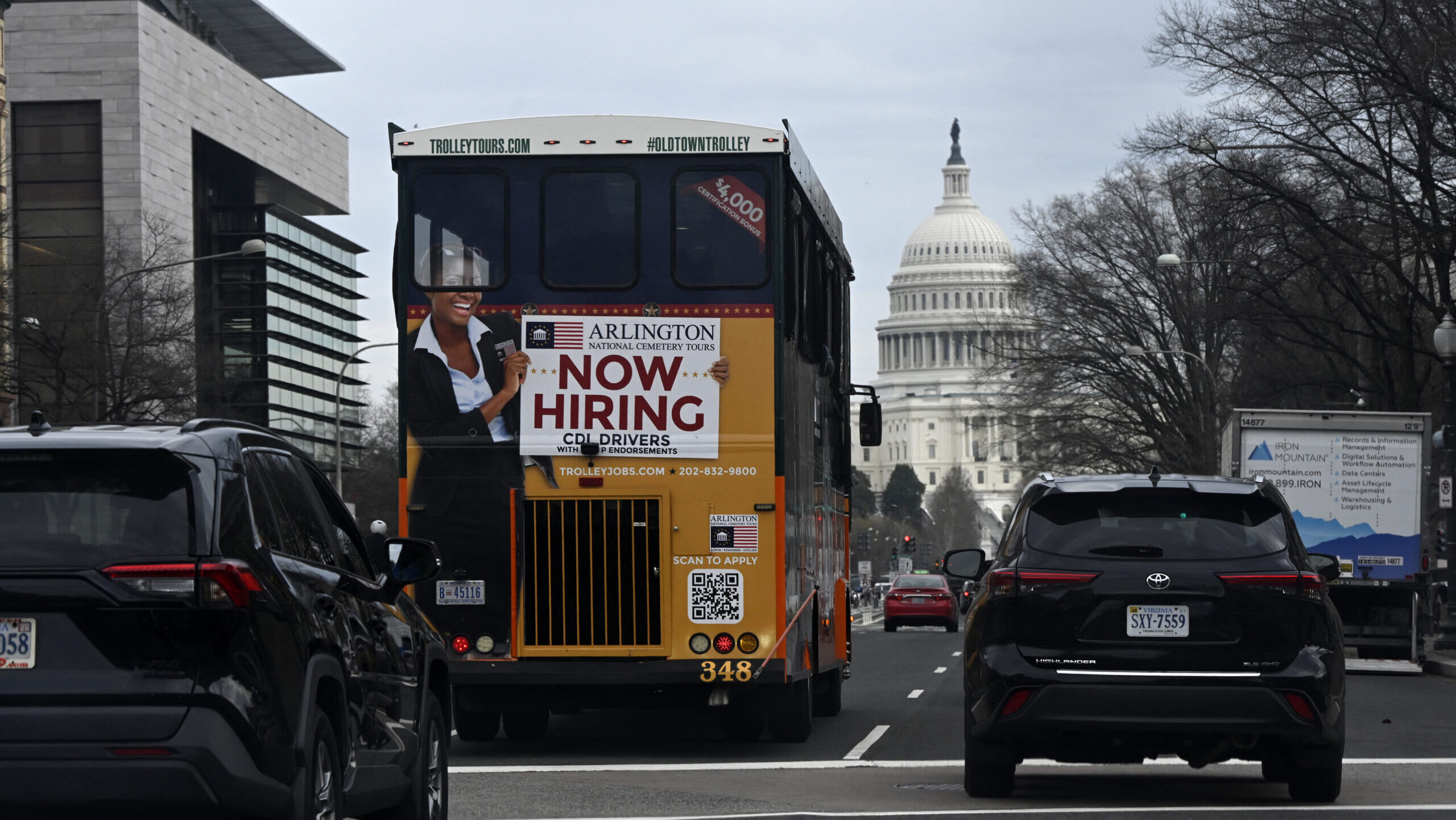
At least, that’s what Tuesday’s report from the Bureau of Labor Statistics suggests. Job openings jumped by 731,000 in April, hitting the highest level in almost two years. Young prospective workers may be especially happy to hear that employers are pulling out their “help wanted” signs. Unemployment for college graduates under age 29 surged roughly 20% from an average of 3.1% in 2017-2019 to 3.7% in 2022-2025.
Don’t Blame the Bots
The labor market’s favorite scapegoat may actually be innocent this time. The Federal Reserve Bank of New York says remote work, not artificial intelligence, can explain the majority (64%) of the rise in unemployment among young college graduates since the pandemic. WFH setups make it challenging for managers to train and mentor new employees, which may make companies reluctant to hire those with less experience.
“Many analysts have attributed the recent labor market challenges of young college graduates to generative AI, among other factors,” the Fed researchers wrote. “But the uptick in youth unemployment rates predates the rapid diffusion of AI.” Recognizing that young workers may be vying for roles more exposed to AI, they compared younger and older workers within those occupations, holding AI exposure constant, and still found a gap.
It wasn’t all good news from the Labor Department this week, though:
- The hiring rate ticked down to 3.2% from 3.5% in March as employers contend with uncertainty related to the war with Iran.
- The low-hire, low-fire dynamic can be attributed partly to rising labor costs and broader economic uncertainty, Noah Yosif, chief economist at the American Staffing Association, told CNN. “Miscalculating on the wrong worker can be costly for employers, and so employers are really taking their time to make sure they are filling jobs with the right candidates.”
Ripple Effect: Graduating into a tough labor market doesn’t just spell trouble for a year or two. Research shows people who do so tend to have lower earnings and slower career advancements than their peers, so fingers crossed that this Friday’s jobs report brings more good news.