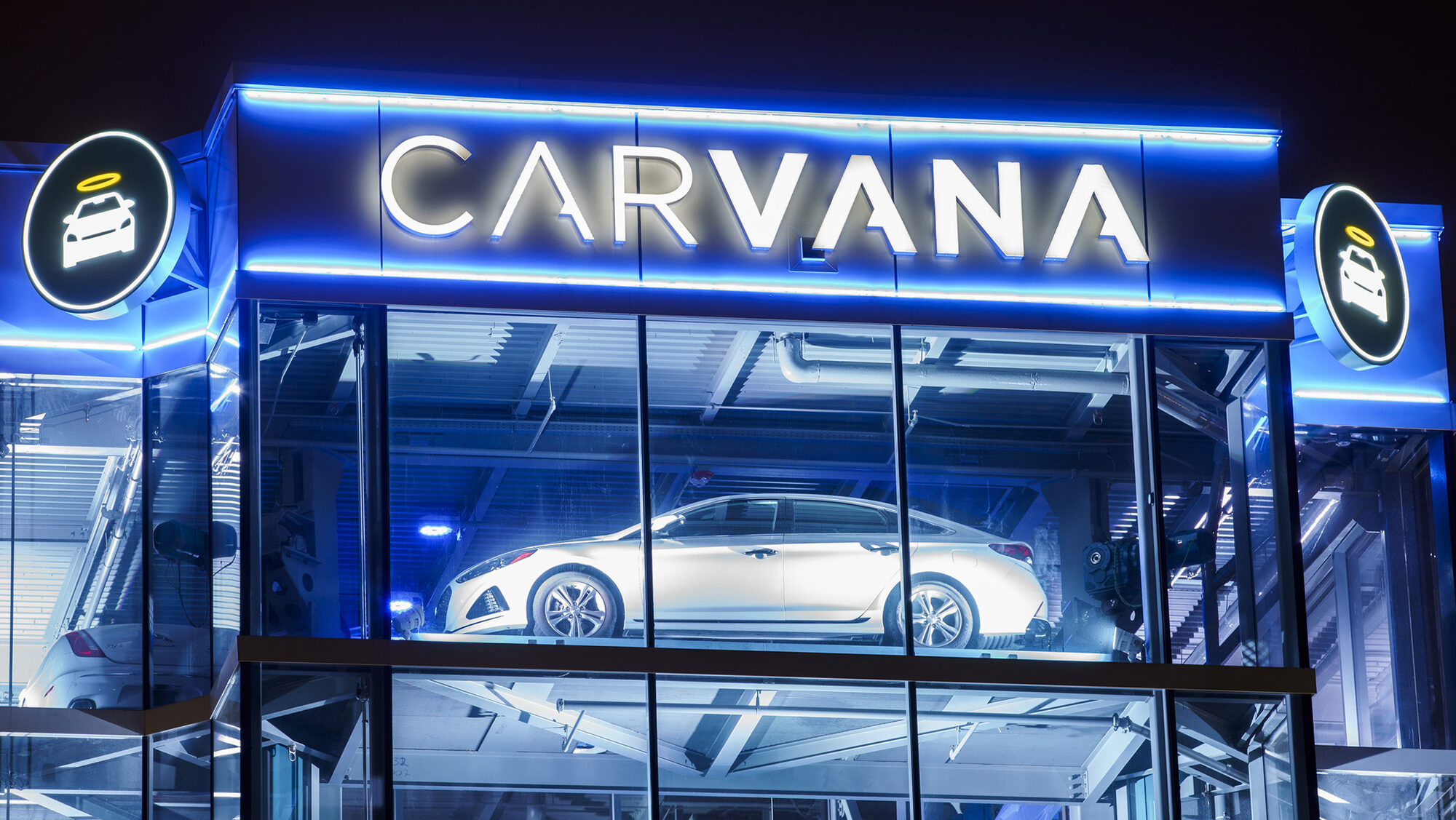
Carvana Revs Up Push into New Auto Market
According to Cox Automotive data, Americans spent $655 billion buying new cars in 2025, compared with $524 billion spent on buying used cars.
Sign up for smart news, insights, and analysis on the biggest financial stories of the day.

At Carvana, what’s old is old and what’s new is new.
The internet-age used car giant said this week it is cruising further into the sale of new vehicles, turning the Stellantis franchise dealership it owns in Dallas, Texas, into a test-drive center for shoppers on its e-commerce platform. It’s a possible preview of how the company aims to transform both itself and, possibly, the entire car-buying experience. Again.
Death of the Car Salesman
The news out of Dallas is actually just Carvana’s latest step in expanding its e-commerce operations beyond used vehicles. The company has quietly spent the past couple of years buying a handful of strategically placed Stellantis dealerships across the country, effectively using them as regional distribution hubs for online (and exclusively online) sales of new cars. The Dallas location, one of seven across the US, will now go a step further, allowing customers to test-drive vehicles and providing a comfy setting for online car shopping.
So far, the Stellantis dealership model and new car foray is showing signs of success, offering the company another potential growth engine:
- Carvana’s Stellantis dealership in Casa Grande, Arizona, is now the automaker’s top seller in the nation, according to internal Stellantis figures reported by The Wall Street Journal. The dealership, which sold as few as 30 cars per month before Carvana’s 2025 takeover, now sells as many as 350 per month.
- According to Cox Automotive data, Americans spent $655 billion on new cars in 2025, compared with $524 billion on used cars.
Brake Check: The pivot to new cars could help the company steer through the shifting economics of used car sales. Despite the publicity push, its shares fell more than 10% on Wednesday as it got caught up in rival CarMax’s share-price fender bender. CarMax reported first-quarter revenue on Wednesday that beat Wall Street’s expectations, but at the great expense of sinking profit margins; shares of CarMax fell 9%, dragging down peers.
Recent News






-
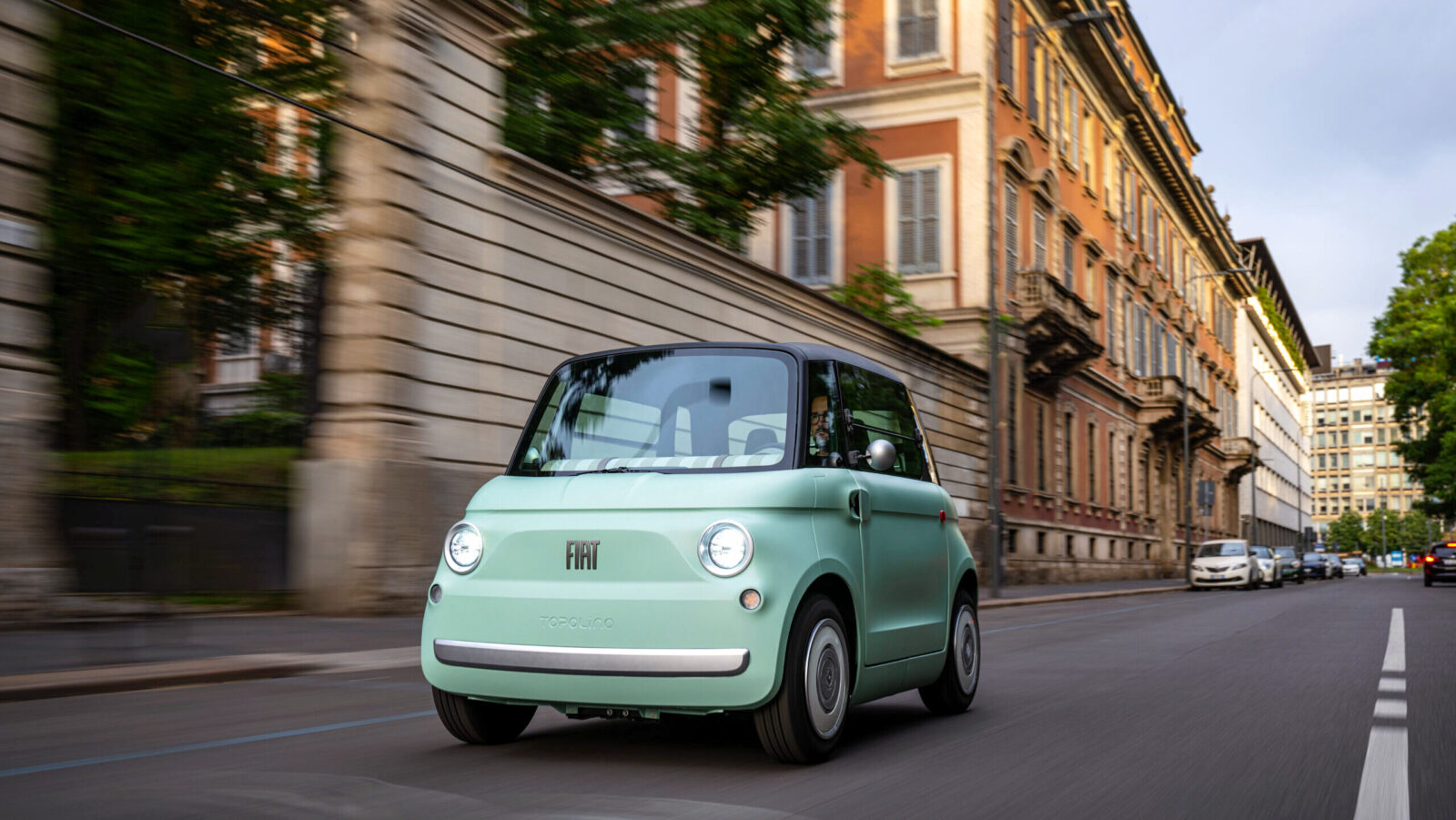
Want a Cheaper Ride? Fiat Introduces a Tiny $14,000 EV to US Drivers

Photo via Fiat/Stellantis