US Automakers Poised to Benefit from Pentagon’s Request for Manufacturing Support
High interest rates and prices (an average of $49,275 for new cars in March, per Kelley Blue Book data) have kept buyers from the car market.
Sign up for smart news, insights, and analysis on the biggest financial stories of the day.

The Pentagon is calling up its industrial reserves.
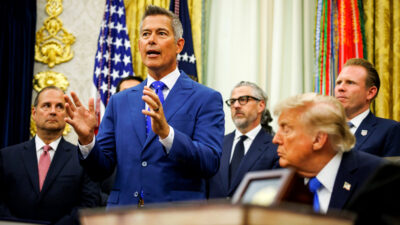
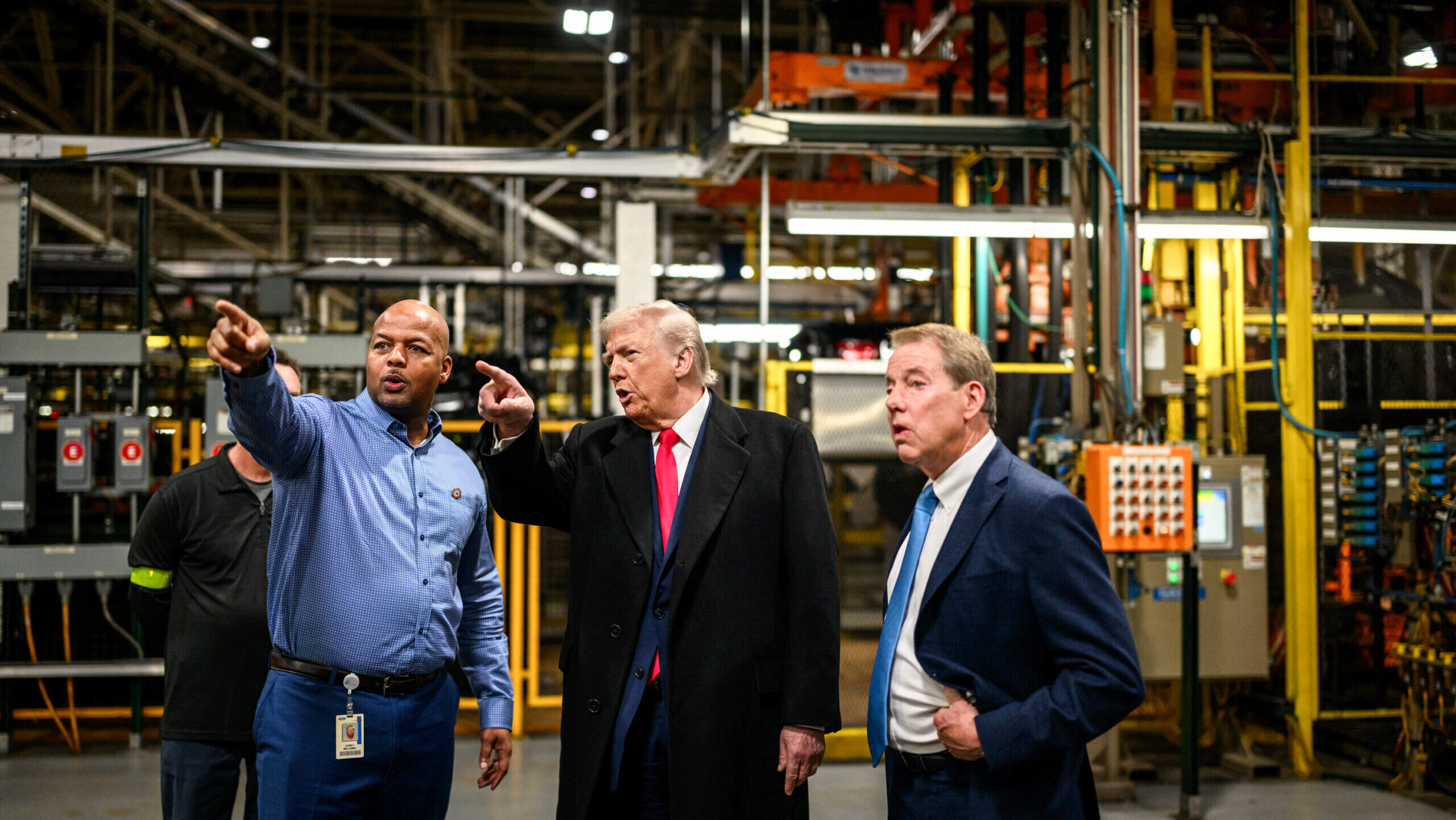
Senior defense officials in the Trump administration have met with auto and manufacturing execs including General Motors CEO Mary Barra and Ford Motor CEO Jim Farley to discuss the companies producing weapons and military supplies, The Wall Street Journal reported last week, citing people familiar with the discussions. Oshkosh and GE Aerospace were also involved.
As the wars in Ukraine and Iran drag on, the government is seeking to take advantage of the auto industry’s mastery of modular assembly to solve a critical shortfall in drone and missile stockpiles.
In a statement shared with the Journal, a Pentagon official said that the Defense Department “is committed to rapidly expanding the defense industrial base by leveraging all available commercial solutions and technologies to ensure our warfighters maintain a decisive advantage.”
Upside for Autos
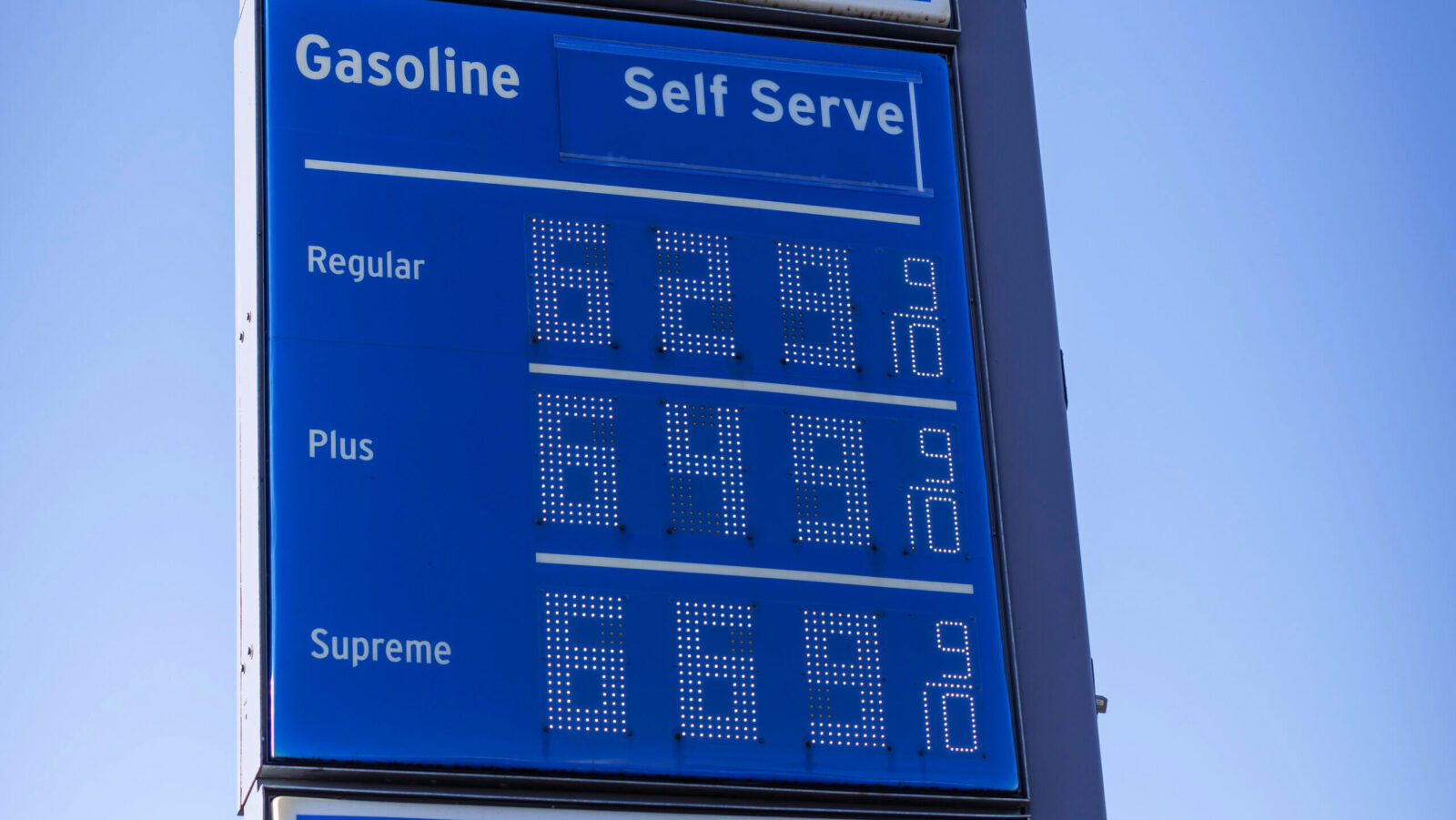
The auto industry doesn’t have it easy right now. High interest rates and prices (an average of $49,275 for new cars in March, per Kelley Blue Book data) have kept buyers from the market. Gas prices have also soared in recent months due to the conflict in the Middle East, right when many car companies were pulling back on electric vehicles to double down on gas-powered ones. Getting mobilized by the federal government could help.
“It’s probably more positive than negative for the automakers, unless the government refused to pay or not pay a market price,” David Whiston, senior equity analyst at Morningstar covering US autos, told The Daily Upside. “The government is not asking for a complete shutdown of light vehicle production like what the auto industry did for World War II, so if there’s some excess capacity somewhere, maybe it can be used.”
General Motors, which reentered military work with GM Defense in 2017, is well-positioned to benefit:
- The company already has contracts to build military vehicles at a North Carolina plant, which could potentially get capital to expand, Whiston said.
- GM’s Orion plant in Michigan “is also already getting a huge investment for pickup and SUV production, so maybe they could add defense capacity there, too, if they want to spend the money,” he added.
Sales Drop: Earlier this month, General Motors reported that sales had dropped roughly 10% during the first quarter from a year earlier, and said it expects a similar decline for the industry as a whole. The company, along with its fellow “Big Three” US automakers, Ford and Stellantis, will report first-quarter earnings at the end of the month.
Recent News





-

Photo illustration by Connor Lin / The Daily Upside