Moonshot, Alibaba Train Spotlight on AI’s Affordability
Both Chinese models were trained without the most expensive chips and are expected to be cheaper and more efficient to operate.
Sign up for smart news, insights, and analysis on the biggest financial stories of the day.

It’s another DeepSeek moment, but with double the pain.
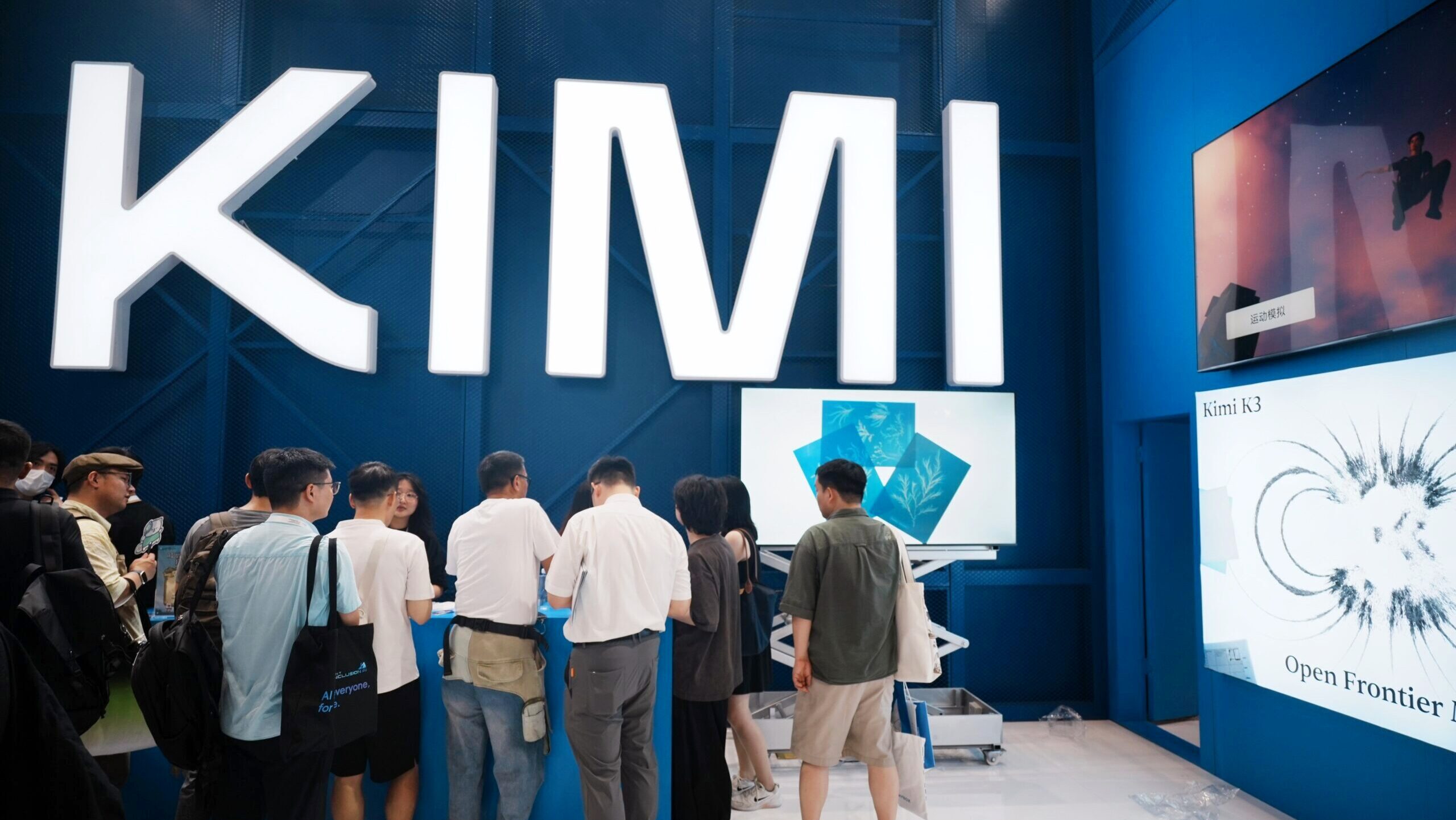
Chinese AI firm Moonshot lived up to its name on Friday with the launch of its ultra-powerful Kimi K3, a model rivaling America’s best even without access to America’s top semiconductors. By Monday, fellow Chinese company Alibaba had unveiled a similarly leading-edge model of its own. The one-two punch has rattled an industry starting to ponder its own affordability, though news out of Google shows Silicon Valley isn’t entirely caught on the back foot.
Model Citizens
Debuted at the World AI Conference in Shanghai on Friday last week, the latest Kimi model outperformed all rivals outside of Anthropic’s Claude Fable 5 and OpenAI’s GPT-5.6, according to most industry metrics. Until Monday, at least, when Alibaba unveiled the preview version of its Qwen3.8 Max model, which it claims is more powerful than both the flagship Moonshot and OpenAI models. Unlike Claude and GPT, the Kimi model is open-source while the Alibaba model is open-weight (meaning third-party developers can download it and tweak it, like open-source models, though they won’t have access to the original source code). Both were trained without the most expensive chips and are expected to be cheaper and more efficient to operate.
That’s obviously a problem for the US firms. As Anthropic and OpenAI speed toward IPOs, IG market analyst Tony Sycamore told Bloomberg on Monday that a combined $314 billion had been erased from Anthropic’s and OpenAI’s valuation estimates. For consumers and enterprise clients, the Chinese competitors look more and more enticing:
- According to a Citi note shared with clients last month, Chinese AI firms are charging as little as $0.18 per million tokens, compared with an average of $4 per million tokens among US firms. That comes as only 5% of companies say their AI spending came in under budget, according to a McKinsey study published on Sunday, with 46% of firms saying their spending went over budget by as much as 30%.
- Usage of Chinese models is unsurprisingly surging in the US. Nearly half of all US company tokens are now going toward Chinese models, according to OpenRouter data, up from a roughly 11% market share at the start of the year.
Gemini Season: Not for nothing, The Information reported on Monday that Google is developing a chip that could significantly optimize its Gemini AI model. The new chip likely won’t be deployed until at least 2028, sources told The Information, but shares of Google’s parent, Alphabet, jumped 1.5% anyway on Monday. The company’s next earnings call is on Wednesday, and affordability and AI spending will surely be top of mind.