Eli Lilly Says Next-Gen Weight Loss Drug Shows Results on Par with Bariatric Surgery
Eli Lilly said on Thursday its retatrutide cleared a late-stage trial, helping patients lose an average 29% of their weight across 80 weeks.
Sign up for smart news, insights, and analysis on the biggest financial stories of the day.

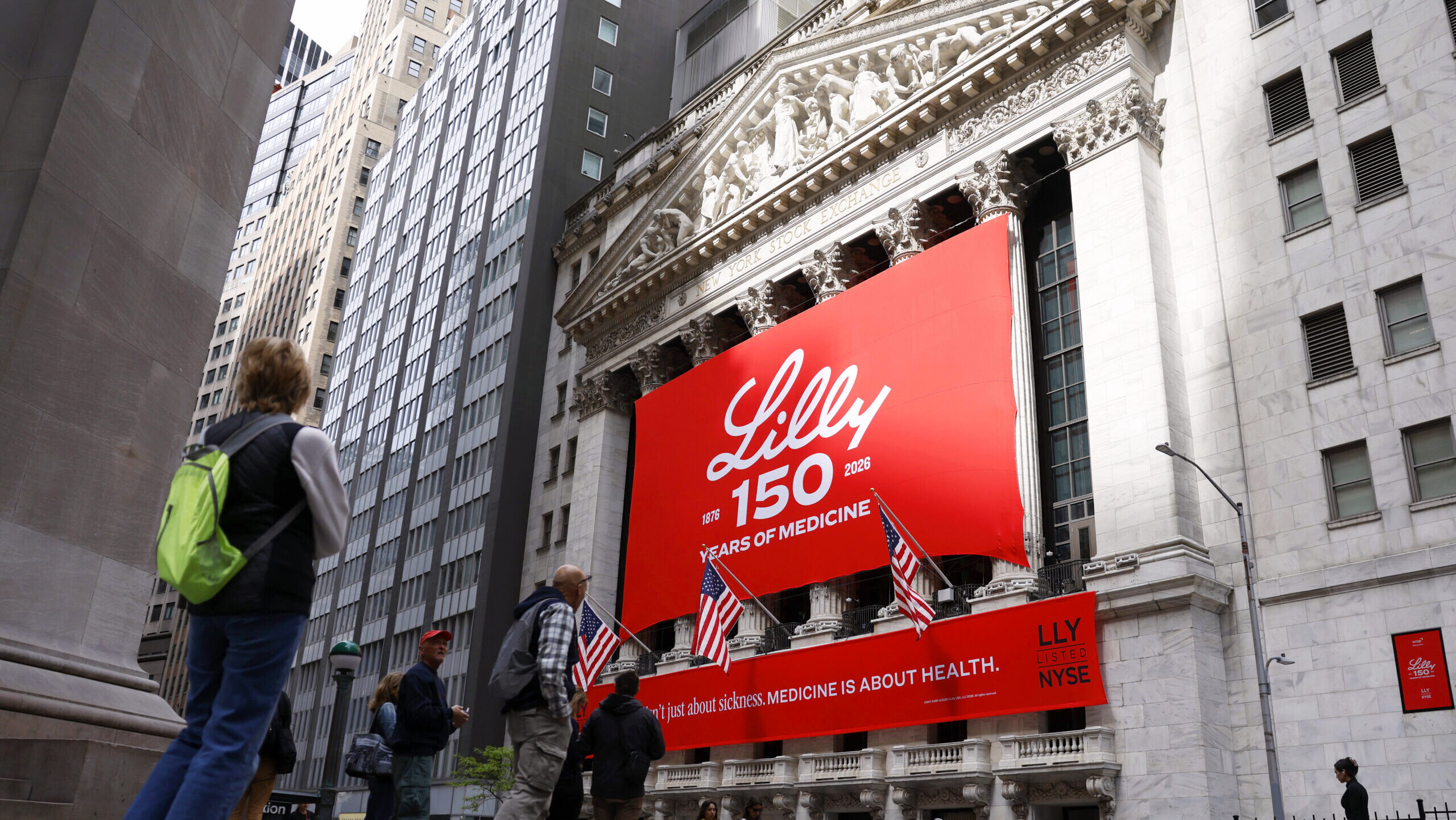
Pharma companies are one-upping each other’s GLP-1s. Eli Lilly said Thursday that its next-gen drug, retatrutide, cleared a late-stage trial, helping patients lose an average 29% of their weight over 80 weeks.
Retatrutide is nicknamed the “triple G” drug because it targets GLP-1, GIP and glucagon while other drugs target one or two of the appetite-regulating hormones. About 45% of patients who received the highest dose of the weekly injection lost 30% or more of their body weight, a figure on par with results after gastric bypass surgery. Lilly’s blockbuster drug, Zepbound, sees weight-loss results closer to 20%.
Growing Market, Shrinking Waistlines
The weight-loss market is far from its peak, with JPMorgan analysts estimating that 25 million Americans will be taking GLP-1 drugs by 2030, up from 10 million last year. Eli Lilly and Novo Nordisk are duking it out while fighting off much smaller compounded competitors to secure their spot in Americans’ medicine cabinets. Lilly has pulled ahead of Novo to command more than 60% of the GLP-1 market and wants to keep its lead:
- While Zepbound’s lower threshold could be a good fit for some patients, retatrutide may appeal to those looking for more dramatic results. And together with Lilly’s new pill, Foundayo, the pharma company has a triple-threat drug lineup.
- But Novo’s not going down without a fight. Last spring, it paid $2 billion for the rights to a drug that, like retatrutide, targets all three “G” hormones. Novo’s Wegovy pill, meanwhile, has brand-name appeal that’s helping it pull ahead of Foundayo. Both pills are on track for blockbuster sales as their low prices and jab-free format appeal to new patients.
More Is Less: Pricing competition among Lilly, Novo, and generic competitors has made weight-loss drugs more accessible. While lower prices could mean more prescriptions, analysts expect them to tighten overall sales in the long run. This year, Jefferies lowered its growth estimate for the weight-loss market from more than $100 billion by the early 2030s to $80 billion. Goldman Sachs analysts slashed their estimate from $130 billion by 2030 to $105 billion. Other analysts are waiting to see whether volumes can pick up enough to offset falling prices.
Recent News
-
Boeing Gets Boost from Navy Contract While FAA Delays Max 10

Photo via NAVAIR




-
The Gig’s Up: Robotaxis, Delivery Drones Reshape the Side-Hustle Market
Photo illustration by Connor Lin / The Daily Upside, Photo by Chanakon Laorob via iStock




-

Photo illustration by Connor Lin / The Daily Upside