

Good morning and happy Monday.
Your week is off to a better start than Chey Tae-won’s. The South Korean billionaire and chairman of SK Group was ordered by a Seoul court on Friday to pay $645 million in cash to his ex-wife, bringing to an end a decade-long saga known as the nation’s “divorce of the century.” Which is only fitting, seeing as when Chey and Roh Soh-yeong, the daughter of the country’s first president following a quarter-century of military rule, tied the knot in 1988, it was called the “marriage of the century.”
Their love story ended, K-Drama-style, in 2015 when he published an open letter in the Chosun Ilbo newspaper declaring he had fallen for another woman, had a child with her, and wanted a divorce. There is a silver lining for Chey. His wealth exploded in the past year, thanks to chipmaker SK Hynix, an SK Group subsidiary and darling of the artificial intelligence trade, and the court opted to calculate his fortune, now valued at $5.3 billion, from before the AI boom. However, both sides in the case, which has already seen four trials, have the right to appeal. No word yet on who got the Netflix password.
Meta, Microsoft and Amazon Test Limits of Investor Appetite for AI Spending
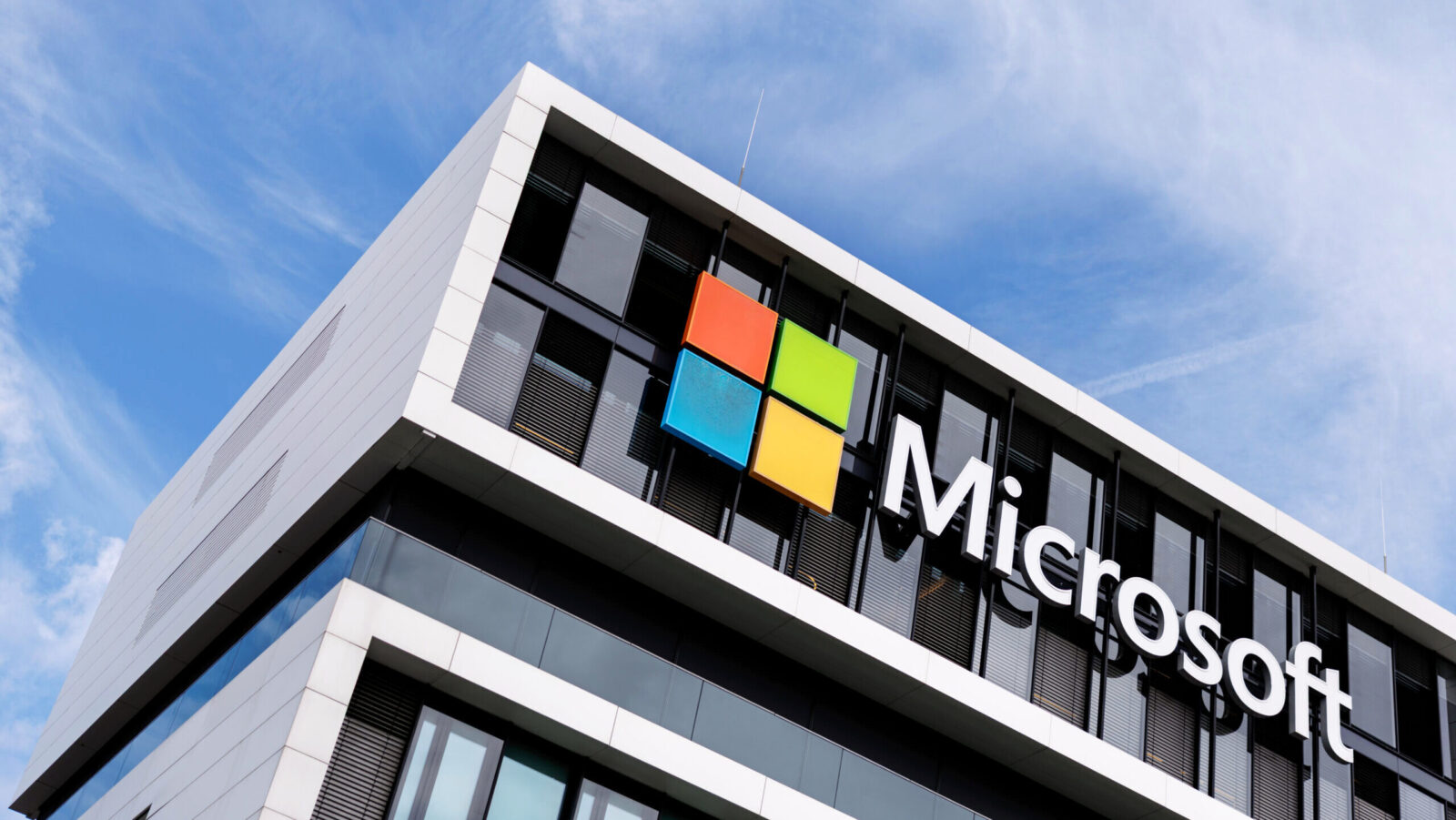
19th-century Parisian Opera crowds were so notoriously hard to please that companies hired paid sycophants, known as claqueurs, to clap, hoot and holler. AI hyperscalers might want to revive the tradition.
Last week, Alphabet reported the biggest quarterly profit in its history, with the $112.1 billion take almost quadrupling what it made a year earlier. The company’s shares fell more than 7%: Investors, racked by anxiety over the company’s massive capital expenditure plans, paid more mind to the Google parent hiking its 2026 spending forecast by $15 billion. Tough crowd. This week, Microsoft, Meta and Amazon get their turns.
Coping With Capex
To find out why higher AI capex has deepened investor worries about hyperscalers’ returns on investment, look no further than the $700 billion in combined capex Alphabet, Microsoft, Meta and Amazon are on track for this year. Wall Street forecasts that figure could top $1 trillion in 2027.
In a research note last week, Moody’s analysts warned capex plans could “threaten credit quality” at Alphabet, Microsoft, Amazon, Meta, Oracle and CoreWeave as they make the costly transition from asset-light models built around software, IP and cloud services to asset-heavy models requiring “unprecedented levels of investment and capital raising.”
“These companies are very large established players with, in many cases, pristine balance sheets, but they’re embarking upon almost unprecedented capital investment,” Moody’s vice president Kevin McNeil said on the ratings firm’s Credit Currents podcast. “And this increase in capital intensity is likely going to pressure credit metrics and is going to lead, in some cases, to negative free cash flow or at least diminished free cash flow.” Moody’s estimates direct debt at the six companies is roughly $460 billion, and McNeil said debt financing “could lead to increasing leverage and additional risk being borne on their balance sheets.” Meanwhile, UBS Global Wealth Management, in its commentary, suggested investors could be alarmed again this week:
- That’s because, according to its analysts, “limited visibility on capex beyond 2027 amid greater investor demand for spending discipline could continue to weigh on investors’ risk appetite, despite solid AI demand.”
- However, UBS advised that, despite the AI capex concerns and inflation worries surrounding the US-Iran conflict, keeping the faith is the best move: “For well-diversified, long-term investors, staying invested remains the most effective strategy to navigate current uncertainty. Given robust earnings growth and an improving cyclical backdrop, we see attractive equity opportunities across sectors and regions.”
Bad Omen: Moody’s emphasized that Alphabet, Amazon, Meta and Microsoft currently have rock-solid balance sheets, meaning their investment grade ratings are in little doubt for now. But Baa2-rated Oracle, to which Moody’s assigned a negative outlook, is only two notches from junk status. Last month, rival ratings firm S&P Global downgraded Oracle to one notch above junk.
Could This Company Be Big Pharma’s Next Acquisition?
Most know how helpless it feels to watch someone you love lose their independence to joint pain.
There’s no cure for osteoarthritis. Big Pharma spent decades and $1B trying. But Cytonics may have finally cracked the code.
A 200% more potent version of their first-gen therapy is advancing to FDA approvals. And it just cleared Phase 1 clinical trials.
Historically, Big Pharma makes a move on biotech targets near this point, when efficacy data exists but no price exists. Take BMS’s $74B acquisition of Celgene*.
Cytonics is now preparing for that next phase. While nothing’s guaranteed, an uncured $560B disease is exactly what acquirers look for.
Only 33% allocation left in this funding round.
Mounting US Budget Deficit Complicates Fed’s Interest Rate Choices
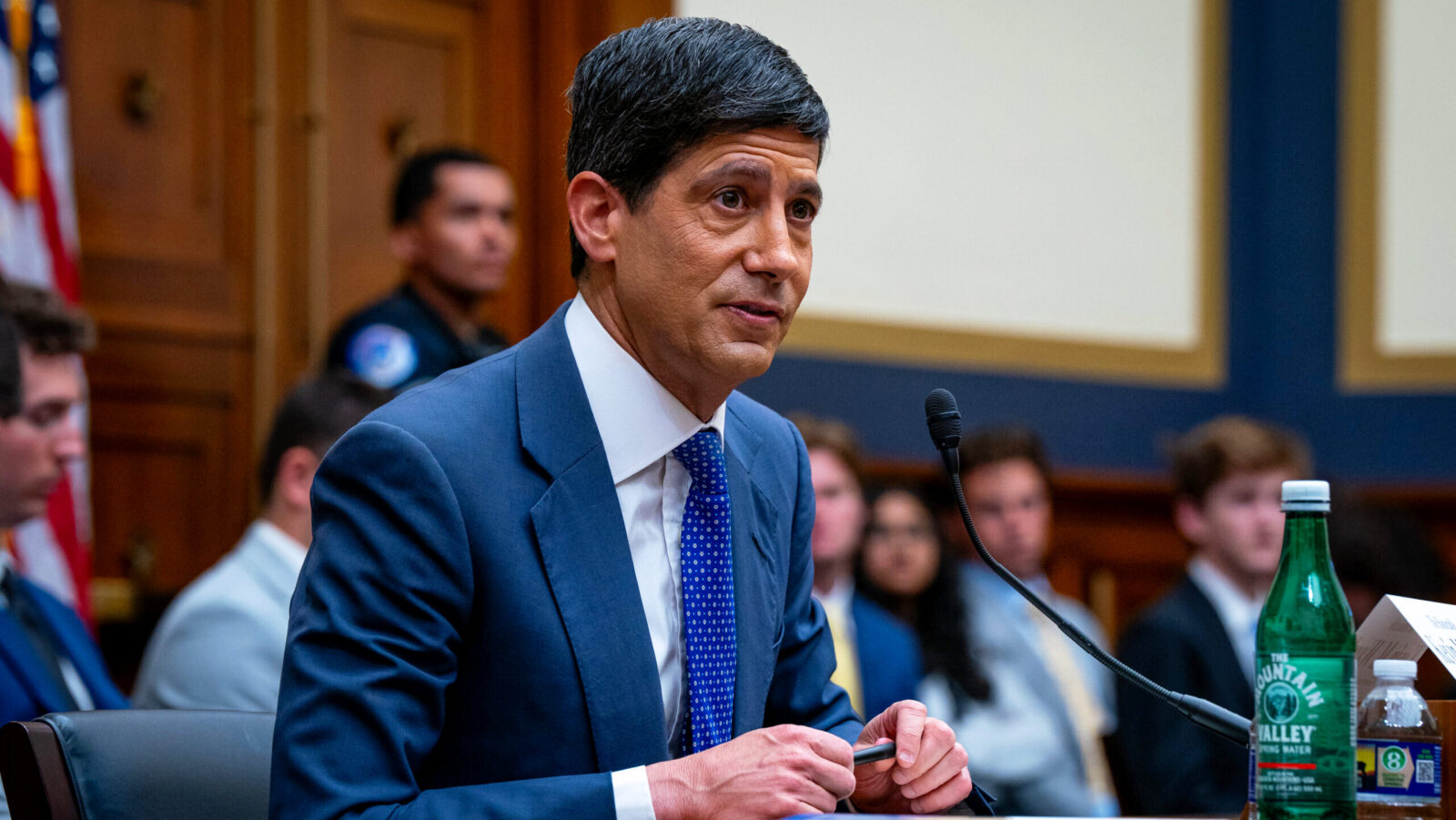
There has long been an elephant in the Federal Open Market Committee’s room as it tries to accomplish its mission of promoting maximum employment and stable prices. It’s just much, much bigger now, and it’s hard to ignore a $2 trillion elephant.
That’s roughly how much the US government is issuing in new Treasury bills and bonds each year as the country’s budget deficit swells. Its massive spending problem isn’t new: The US has run a deficit for more than two decades, helped along by the 2008 financial crisis and the COVID-19 pandemic. But the economy is looking relatively healthy now, with inflation down from its decades-high record in 2022, shrinking to 3.5% in June. Weekly jobless claims just dropped to their lowest level since 1969. And yet the government is still issuing increasing amounts of debt. Economists say it’s unsustainable.
Reducing the federal deficit may be Congress’s job, but the central bank, led by Chair Kevin Warsh, has to contend with the economic effects of Treasury borrowing as it determines whether to hike, cut or hold interest rates steady. A committee that already is split on where interest rates should head will gather this week to decide what’s next as a growing chorus of experts point to the problem the federal deficit poses.
Bond Market Blues
The crux of the issue for policymakers lies in the bond market. Investors aren’t going to buy up all the new Treasuries hitting the market just because.
“As the government continues to issue increasing amounts of debt to finance its spending, the supply of Treasury securities in the market grows,” explained Debbie Hippensteel, senior portfolio manager at River Wealth Advisors. “If investor demand does not keep pace with this increased supply, bond prices may decline, resulting in higher yields.”
Those higher yields can then ripple through the economy:
- Borrowing costs for mortgages and auto loans, for instance, go up for both consumers and businesses, which is also what happens when the Fed raises the federal funds rate.
- As a result, even if the Fed doesn’t raise rates, financial conditions may still tighten, which complicates the decision.
FOMC’s July Meeting: The Fed is widely expected to keep interest rates unchanged when it announces its decision Wednesday after the monetary policy committee’s two-day meeting. CME’s FedWatch tool placed the likelihood of the central bank keeping rates steady at 64.2% as of Friday morning. But a hike could be coming soon. FedWatch puts the odds of the Fed raising rates at the September meeting at 80.1%.
Meet Verily Me — Care That’s True to You

The free health app that provides personalized recommendations from licensed clinicians. You can also chat with Violet, your personal AI companion to get private answers about your health record. Easily log meals, receive feedback on your health questions, and more. Download the free app.**