

Good morning.
You’re not living in a Groundhog Day reboot, even if by some crazy coincidence, you did wake up this morning to Sonny & Cher belting out, “I Got You Babe.”
The US military launched a round of retaliatory strikes on Iranian targets for the second straight day on Wednesday, the US Central Command said, after Iranian forces earlier this week attacked at least three ships transiting the Strait of Hormuz.
The economic fallout was immediate. Brent crude oil prices jumped more than 5%, with the price briefly surpassing $80 per barrel midday. The S&P 500 and the Dow, meanwhile, fell 0.28% and 1%, respectively, on the news. For now, instability remains the status quo. If only it were easier to price in.
Apple Edges Closer to Dethroning Nvidia After $30B Broadcom Chips Deal
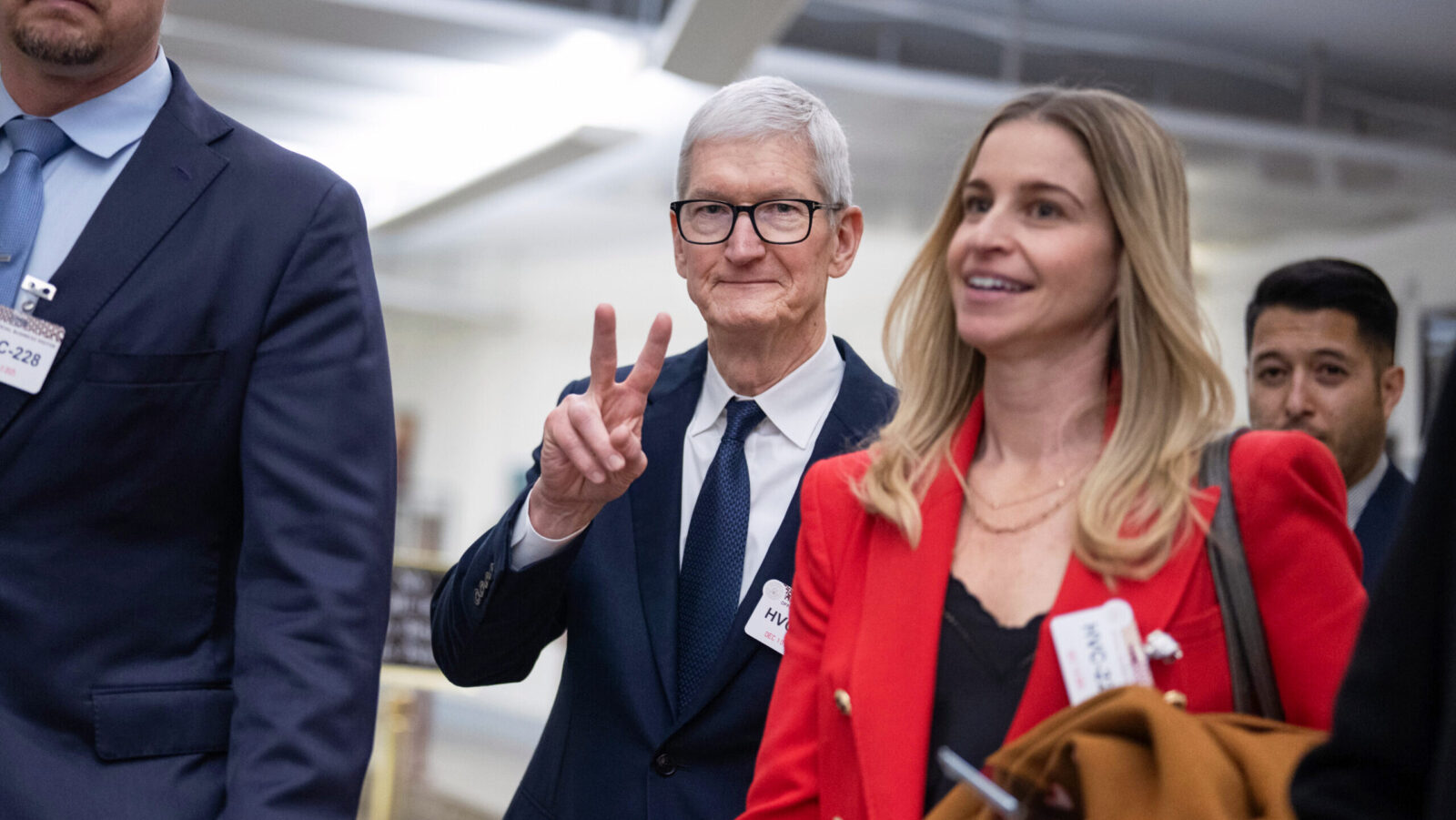
Outgoing Apple CEO Tim Cook isn’t slacking off during his final summer on the job.
On Wednesday, the iPhone maker formally announced a long-discussed $30 billion chip supply agreement with Broadcom, one of the biggest US manufacturing deals in company history. Apple shares climbed nearly 1% on the news, bringing it closer to reclaiming the crown for biggest US company by market cap.
Off to the Races
Nvidia’s lead has narrowed to about $300 billion this week amid an extended selloff in which the chips king has shed roughly $1 trillion in value since an all-time peak in mid-May. The remarkable slide, which Nvidia reversed somewhat with a 3% gain on Wednesday, has coincided with a broader market rethink of the artificial intelligence trade; semiconductors are largely out, white-hot memory and storage chips are in.
And so is Apple, whose shares have climbed more than 15% this year (exceeding the 9% gain of the broader S&P 500) as investors reward the company’s patient and cost-conscious approach to the AI era. The Broadcom deal also closes the loop of a Cook era perhaps best defined by the company’s bold and fruitful embrace of Chinese manufacturing. Now, in a new world of harder trade barriers, the Broadcom partnership kicks off an age of reshoring as the company vows to invest $600 billion in US manufacturing through the next four years:
- In particular, Broadcom will supply custom radio connectivity chips and components for various Apple devices. The deal, set to run through 2031, includes a $1.5 billion expansion of a Broadcom facility in Fort Collins, Colorado, which is now expected to produce 15 billion chips and support hundreds of jobs.
- Apple is simultaneously looking to reshore the primary logic chips powering its devices. It has already committed to buy chips from TSMC’s forthcoming Arizona chip fab, as well as from Intel.
“Apple has been working with the administration and businesses across the US to help create an end-to-end silicon supply chain in America, and today’s announcement advances those efforts,” the company said in a statement on Wednesday.
Not Out Yet: That’s not to say the company has completely abandoned its China-based supply chain. In fact, Apple has been lobbying Washington for clearance of memory-chip purchases from Chinese firm CXMT, which was blacklisted by the Pentagon, the Financial Times reported last month. The plea comes as Apple has raised prices on many of its key devices due to an AI-related crunch on memory and storage.
Set It, Forget It, and Save for Your Goals

Make saving automatic with Cash App. Round up your spare change from every purchase, earn up to 3.25% interest, and transfer money between your balances whenever you want — all with no hidden fees or minimum balance requirements.
- Make unlimited transfers between your Cash and Savings balances.
- Keep your money safe with 24/7 fraud monitoring and built-in security features.
Investors Find a Fashion Faux-Pas in Levi’s Upbeat Earnings
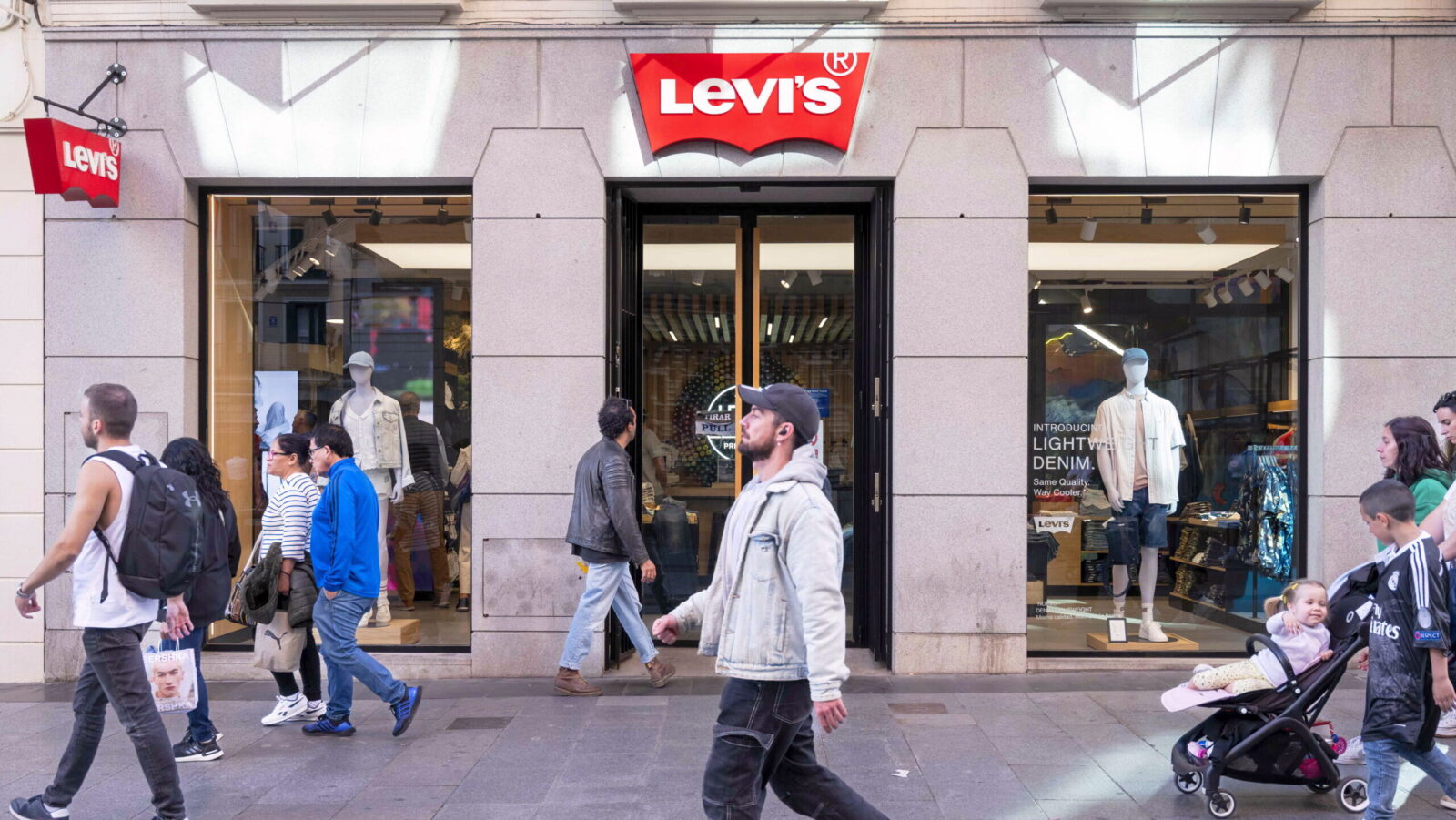
Sometimes, markets can be a harsher judge than the fashion police.
Levi Strauss & Co. reported top- and bottom-line figures Wednesday that beat Wall Street’s second-quarter forecasts, hiked its earnings guidance and increased its dividend. Shares in the jeansmaker nonetheless fell 5% in after-hours trading. With demand for denim steady, why did investors react like it’s cheap rayon?
Denim Doubters
Under CEO Michelle Gass, who took the top job in 2024, Levi Strauss has pursued a multifaceted turnaround, pivoting to a higher-margin, direct-to-consumer model to offset reliance on wholesalers. This has included moving Levi’s distribution to a combination of owned and third-party locations from a purely owned-and-operated setup, something that will lead to the closure of a Kentucky distribution center, and the loss of some 300 jobs, next month. Most importantly, it’s working: DTC grew 10.5% in the company’s 2025 fiscal year, and 11% year-over-year in this year’s second-quarter results reported Wednesday.
It’s also gaining broader momentum: Companywide, revenue climbed 3% in Gass’ first year, then 4% in 2025 to $6.3 billion. In the most recent quarter, sales rose 8% to $1.6 billion, and profit of $87 million increased 30% from a year ago. All of these things bested analyst expectations, but the price of success is that investors start to expect more:
- Levi’s raised its sales growth forecast for the fiscal year ending November 29 to 7.0% to 7.5%, up from 5.5% to 6.5% previously.
- The company expects earnings of roughly $1.46 to $1.52 per share, with a $1.49 midpoint just below the $1.51 forecast from analysts surveyed by FactSet. That narrow miss was enough to send the stock careening, with investors making like Richard Blackwell on a bad morning.
Riding Higher: Levi’s hiked its quarterly dividend by 14% to 16 cents per share, or 64 cents a year, delivering an annual yield of about 2.6% based on the stock’s Wednesday closing price of $24.37. That’s better than the S&P 500’s roughly 1% and within the Goldilocks range that financial advisors consider relatively stable.