

Good morning.
NASA’s fast-track plans to build a base on the moon may now be on hold following the massive explosion of Blue Origin’s New Glenn rocket at the Cape Canaveral Space Force Station last week. The ship was undergoing a hot-fire test ahead of a planned launch to deliver Amazon satellites into orbit sometime early this month when it spontaneously combusted (for reasons still unknown as of Friday).
NASA had been counting on the New Glenn for a series of missions in preparation for returning humans to the moon sometime in 2028. The explosion ravaged the share prices of publicly traded space firms, which had been riding high on enthusiasm surrounding SpaceX’s IPO. Shares of Rocket Lab dropped 3% on Friday, while Intuitive Machines tumbled 4%, Firefly Aerospace fell 6%, and shares of AST Space Mobile plummeted nearly 15%. Shares of Amazon, which will now be short some 48 internet satellites in orbit, fell just 1.2%. That’s one small blip for Jeff Bezos, one giant bust for smaller space companies.
Fresh Jobs Data May Help Fed Gauge How Much AI Strains US Labor Market
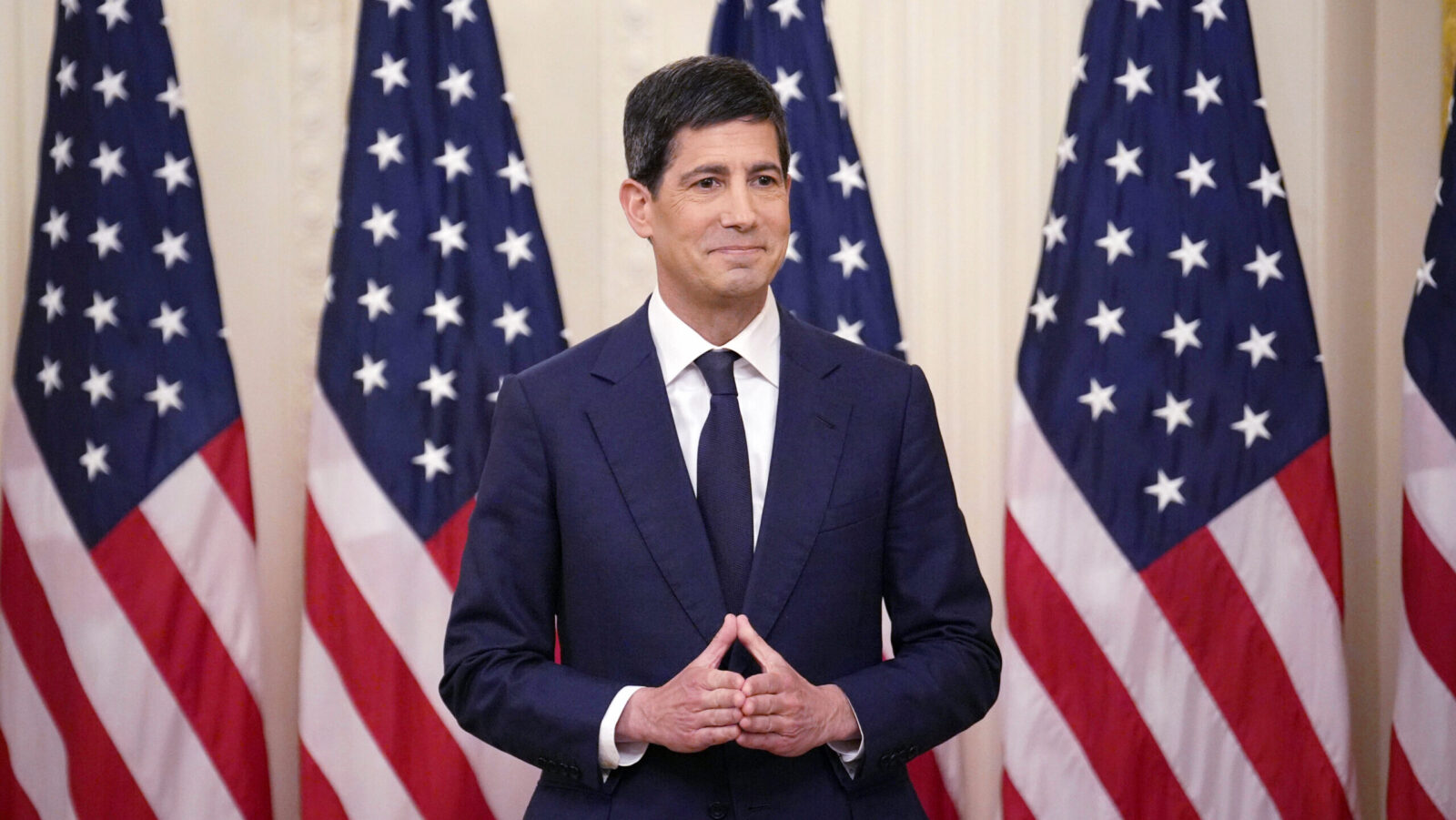
If you’re spending this Monday morning thinking about Friday, you’re not alone. Wall Street is, too, if perhaps for different reasons.
The Bureau of Labor Statistics will report May’s employment figures at the end of the week, offering investors and economists insight into a labor market grappling with uncertainty over artificial intelligence, tariffs, the war with Iran and more. Still, the job market has been showing signs of momentum: April and March surpassed analysts’ expectations, and the ADP weekly data continues to look better than at the end of 2025.
“Healthcare continues to be a robust source of demand for labor, though construction, retail trade and professional services have also been hiring in recent months,” says Ross Mayfield, an investment strategist at Baird. “Outside of the information sector, the job market looks solid enough, even with consumer sentiment near record lows.”
AI Anxiety
AI adds another wrinkle to jobs reports nowadays. While we’ve long been fed fictional nightmares about being replaced by robots at work, reality is starting to look somewhat scary, too. Last month, for instance, New York City Comptroller Mark Levine published a report warning that the city must act now to prepare for potential AI-driven job losses. Some companies are hesitant to cop to AI-related layoffs, while others are letting tech take the blame when it’s not deserved, making it hard to understand the actual impact on the labor market.
“We believe AI is acting as a headwind to new hiring rather than a driver of mass layoffs,” says Thomas Urano, co-chief investment officer at Sage Advisory. “If that dynamic is structural, it means payroll prints can stay soft even without a traditional recession signal.”
Of course, this all complicates how the Federal Reserve, responsible for maintaining economic stability and maximizing employment, reads the labor market. If AI is structurally thinning the hiring pipeline, the Fed may need to rethink what a healthy payroll number looks like, Urano adds. Speaking of the Fed, it doesn’t have a job we’d want:
- The central bank will be closely watching this week’s jobs report as it considers how to bring down still-high inflation. As of Friday, the CME’s FedWatch tool showed a 98.8% chance that the Fed will keep rates steady during its June meeting. A cut doesn’t look possible until at least next year, per the tool.
- “Another strong nonfarm payrolls report would only serve to confirm what the market has been pricing for weeks now: More rate cuts from here are highly unlikely,” absent a financial crisis or recession, Mayfield says. “The bar for raising rates still seems fairly high, but an extended pause should be the base case for investors.”
What Else to Watch: Investors will also be looking for some insight on business activity via today’s Institute for Supply Management manufacturing data release, and the state of the economy via the Fed Beige Book on Wednesday.
Film Studios Wait on Tax Credits, You Get Paid
Everyone’s chasing the next AI trade. Meanwhile, a quieter corner of the market keeps delivering — film bridge lending.
Studios sit on millions in approved tax credits, signed distribution contracts and completion bonds they can’t access yet. Bridge lenders step in, fill the gap and get repaid when the credit clears or the deal closes. Short duration. Hard collateral. No correlation to public markets.
These aren’t complicated structured products. They’re simple, asset-backed loans to productions that are already greenlit. The kind of boring that quietly works.
If you’re an accredited investor looking for yield that doesn’t move with the S&P, this is worth your attention.
Oura Unveils New, Thinner Smart Ring to Rule Them All
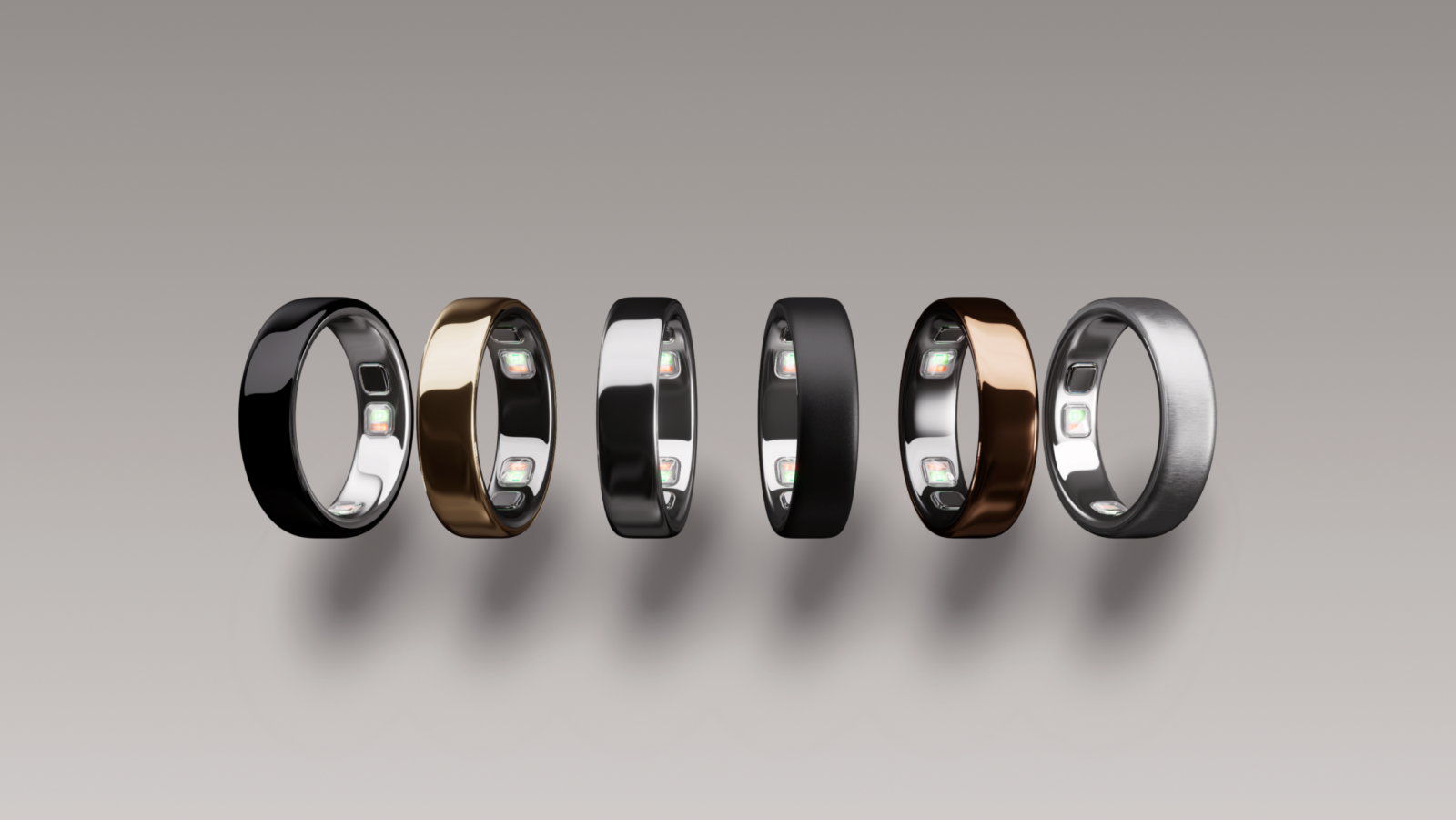
Honey, they shrunk the smart ring.
Oura ring stacks are about to look a lot less chunky after the smart ring-maker announced it downsized its newest wearable by 40%. It’s a feat of shrinkage that Oura said involved redesigning essentially all of the ring’s plumbing (mechanical, electrical, optical, battery and sensing).
The Oura Ring 5 apparently won’t sacrifice performance for size, with the company touting its longer battery life and more accurate sensing. A slew of other new features includes a type of activity detection that Oura said is better at detecting low-impact workouts like Pilates, as well as GLP-1 tracking and insights.
Oura is also partnering with Counsel Health to offer optional AI health advice for an unknown cost on top of the Ring 5’s $6-per-month subscription.
Do One Thing, Do It Well
Oura basically makes one product: its rings, plus accessories like chargers. The Finnish startup has dominated the smart-ring scene since launching its first product in 2015. After raising more than $900 million in an October round led by Fidelity Management & Research, Oura had a valuation of $11 billion and said this month that it should have more than 5 million paid members by the end of this quarter.
The pressure’s on to keep up its pace after Oura confidentially filed last month for an IPO:
- Oura is launching its newest ring earlier in its product lifecycle than usual. While the gap between the Ring 3 and Ring 4 was three years, Oura halved that wait to about 1 and a half years for the Ring 5.
- Oura announced the Ring 5 a day before rival RingConn’s Gen 3 started heading to doorsteps. Ultrahuman’s Ring Pro, meanwhile, is set to start shipping in mid-July.
Protective Oura: Ultrahuman’s market share in the US more than doubled from 2024 to the second quarter of last year, IDC Research told TechCrunch. But its shares plummeted to single digits later in the year after Oura pursued a patent-infringement case against the India-based company that led to the US effectively banning shipments of Ultrahuman’s rings. This year, Ultrahuman plans to stage a comeback after US Customs and Border Protection cleared its new model.