

Good morning.
Throw shade on the artificial intelligence investment boom at your spiritual peril. So says Softbank CEO Masayoshi Son. “I think it’s blasphemy against AI if you say it’s a bubble,” he told the conglomerate’s annual general meeting in Tokyo on Wednesday. “It’s just the beginning.” In other words, don’t make AI an angry god.
It was not the first time the eccentric Son, a prominent tech evangelist, has mixed faith and finance. In 2016, he asked concerned debtholders to “listen to the Force,” the fictional metaphysical energy field that underpins the universe in Star Wars. And, in 2020, he defended himself on a call with skeptical analysts by comparing himself to Jesus, whom he said was once misunderstood like him. In any case, elevating AI to the sacred seems premature. After all, data centers consume vast amounts of water, and last we checked, they aren’t turning it into wine.
Google Gains Spot on Dow Jones While Losing Street Cred in AI
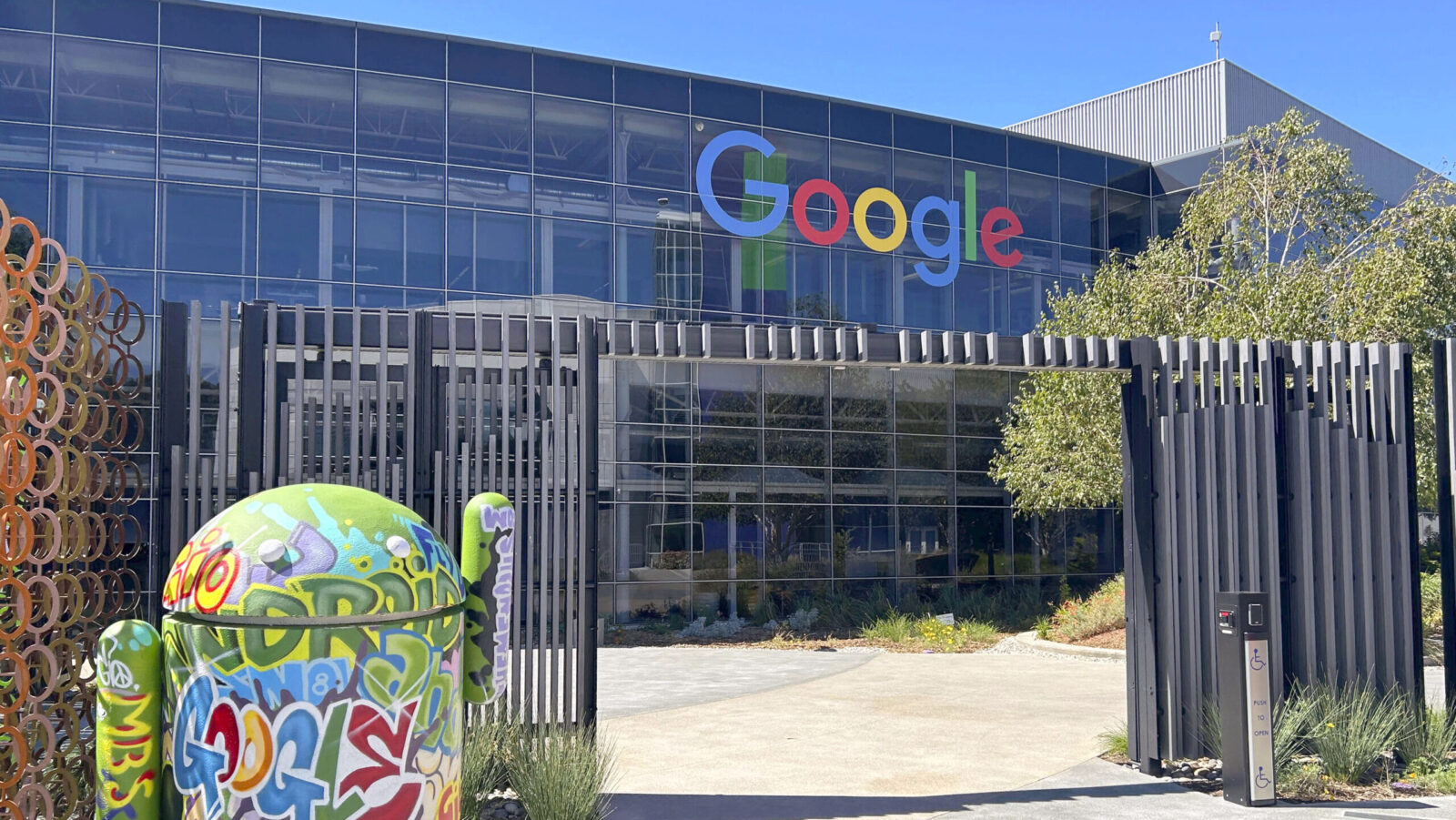
In some ways, getting named to the Dow Jones Industrial Average is like a 37th birthday: First, it doesn’t mean as much as it used to.
Second, it’s an unmistakable indicator of the transition from trendsetting youth to comparatively staid “adulting.”
Exhibit A(BC): Google-parent Alphabet is set to replace Verizon on the price-weighted 30-company index next week, a sign that the once definitive disruptor is now, at least notionally, a steady industrial titan of the modern age.
Talent Wars
In fact, Google has found itself more of the disruptee in recent days, unable to shake a pair of plucky young competitors nipping at its heels. Its shares have been hammered in the past week as two top artificial intelligence researchers spurned the company to join OpenAI and Anthropic. In what may be the most costly LinkedIn profile updates of all time, the resignations helped wipe out $270 billion of the company’s market value.
Outsized as it may seem, the extraordinary fallout may match the extraordinary scope of the brain drain:
- First, Gemini co-lead Noam Shazeer said last week that he was leaving the company to join OpenAI. Shazeer co-wrote a pivotal research paper in 2017 that pioneered the “transformer architecture” now underpinning much of the AI industry (the “T” in ChatGPT stands for “transformer”); Google paid $2.7 billion to “acqui-hire,” or “acqui-rehire,” Shazeer in 2024 after he left the Big Tech company three years earlier to launch Character.AI.
- Days later, veteran Google DeepMind director John Jumper said he’d be jumping ship to join Anthropic. Jumper had been an integral part of Google’s AI coding team and won the 2024 Nobel Prize in Chemistry for his work using his AlphaFold deep learning algorithm to predict protein structures.
“Google is losing the war for talent at the frontier of AI,” DA Davidson’s head of technology research, Gil Luria, told Barron’s earlier this week. “Google had the state-of-the-art model for a few weeks last year, which helped it get credit as an AI winner, but has fallen off since, and these departures may mean it is falling behind.”
This Is Dow You Do It: Google’s stock is now down more than 6% in the past five trading days, after slipping 0.3% on Wednesday. Unfortunately, the Dow listing likely won’t confer extra credibility. Fellow tech titans Amazon, Apple, Microsoft and Nvidia have already beaten it to the Dow punch, and show that addition to the index hardly provides a bump. Nvidia and Amazon fell 0.8% and 0.1%, respectively, on their Dow Inauguration Days in 2024. The index is weighted by share price, not market cap. Meaning that, given their roughly equal stock prices, it’s the one place that Home Depot (market cap: $341 billion) can say it’s on equal footing with the $4.2 trillion Google.
The Founders Giving Investors a Lifetime Membership

Brandon and Jennifer Robinson built a place their regulars never want to leave, and now they’re opening the next one in a market of 7M+ residents and 25M+ annual tourists. That’s a market of 32M+ potential customers across the Bay Area. Investors have a brief window to own a piece of San Francisco’s new mini golf bar and get free golf for life.
Tipsy Putt brings the neighborhood together with their interactive games like mini-golf, a full bar and a quality dining experience all at once. The model draws 5,188 paying members and did $17.2M in revenue in 2024 across four California locations.
You have until 6/27: Invest in Tipsy Putt to lock in up to 27% bonus shares and free golf.*
Invest the Way You Want with Betterment

Self-directed investing is now at Betterment. Trade thousands of stocks and ETFs with fractional shares and zero commissions. Plus, unlike other investing apps, Betterment gives you a Tax Impact Preview, showing the tax consequences before every trade. Invest how you want with us by your side.**
Bezos-Backed Slate Auto Tries to Recharge EV Sales With $24K Electric Truck
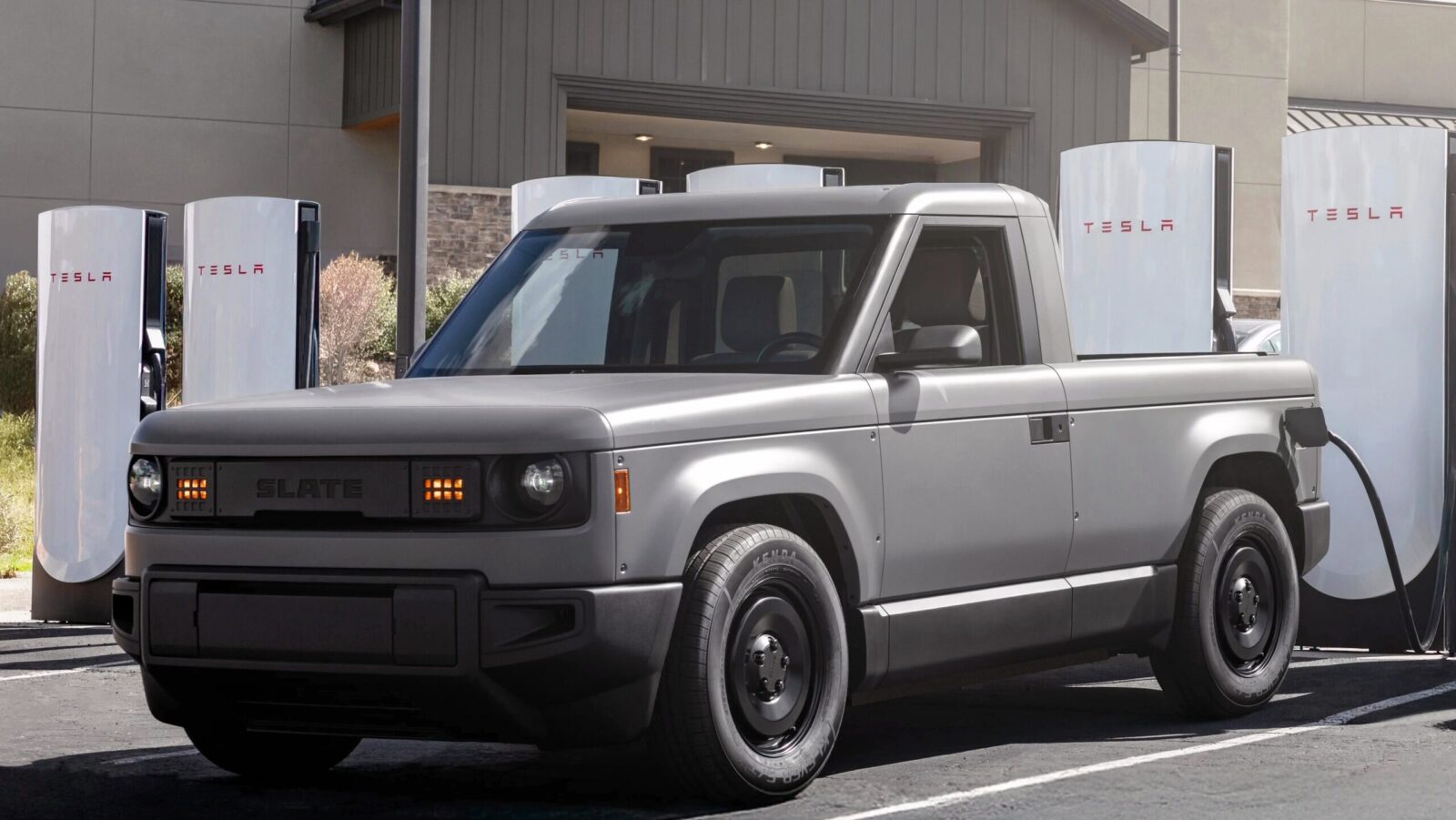
A Jeff Bezos-backed startup is wiping the slate clean on EVs, revealing that it’ll sell its first electric truck for just under $25,000. Slate Auto managed that bargain-bin price by making the vehicle radically simple — hand-crank windows, no radio, and a smartphone mount instead of a built-in navigation screen.
The company, which came out of stealth more than a year ago, started taking preorders yesterday for the vehicle. While the truck’s initial sticker price is $24,950, shoppers can spruce up the base model with extras that might come standard in a competing car: exterior colors other than gray, speakers, floor mats, etc. For an additional $5,000, owners can turn their truck into an SUV.
Slate also said it won’t have dealerships, instead delivering models directly. The startup has racked up more than 160,000 reservations and plans to start deliveries in the fourth quarter.
Race to the Bottom
Slate Auto’s new truck undercuts the cost of a new car in the US by nearly half as its founders look to make its car this generation’s Ford Model T. A new car cost an average $49,000 last month, according to Kelley Blue Book, and a truck set shoppers back by about $66,000.
Electric cars typically cost more:
- An EV last month ran up a bill of more than $54,000, and that’s down more than 4% since last year as automakers cut prices to cope with excess inventory. EV sales fell after customers lost a $7,500 tax credit that helped the cars compete with gas-powered options.
- Ford is working on a $30,000 electric truck that it plans to start selling next year. Tesla killed plans to produce a $25,000 EV in 2024, but Reuters reported in April that Elon Musk’s company is trying to make a smaller and cheaper vehicle soon.
Cutting Out the Middle: Slate Auto’s simplified truck could fill a gap in the market. Data from Ford, Nissan and Hyundai shows shoppers gravitating toward bare-bones base models rather than cars with all the bells and whistles. This March, cars that retailed for less than $30,000 made up about 14% of US sales, Cox Automotive found.