

Good morning.
Charles Dickens, the novelist known for withering critiques of Victorian workplaces, would have found a gold mine of material in the Age of AI. Now, an ever-solicitous Meta is granting employees half-hour breaks from training their replacements.
In an internal memo seen by Reuters on Tuesday, the Big Tech giant acknowledged the angry backlash to its plans to collect data on employees’ precise mouse movements and keystrokes in order to train AI agents. Workers dubbed the system an “Employee Data Extraction Factory,” flagged privacy concerns, and complained that the tracker drains their laptop batteries and spikes their home internet usage. In response, Meta, which just executed massive staff layoffs, offered employees the ability to turn off the AI tracker for a whole 30 minutes at a time. Then it’s back to, every click you make, I’ll be watching you.
They Moved $1 Trillion a Year on Wall Street. Now They’re Rebuilding Payments
Every time your institution sends a payment, someone is fronting the money. Settlement takes days. Fees stack up. And the infrastructure underneath it all hasn’t meaningfully changed in decades.
The team behind Monad knows this problem intimately. Founded by former high-frequency traders from Jump Trading — where they helped move over $1 trillion in notional volume annually — they applied that same obsession with speed and efficiency to borderless payments.
The result: 10,000 transactions per second, near-instant settlement and near-zero fees. High-performance infrastructure that lets institutions:
- Reduce reliance on prefunding through real-time stablecoin settlement.
- Support payment flows, including debit card use cases, enabled by fast finality.
- Streamline payroll continuously with flexible payment timing instead of batch systems.
The Strategy Behind Citadel’s Plan to Pay Hedge Fund Peers for Trading Ideas
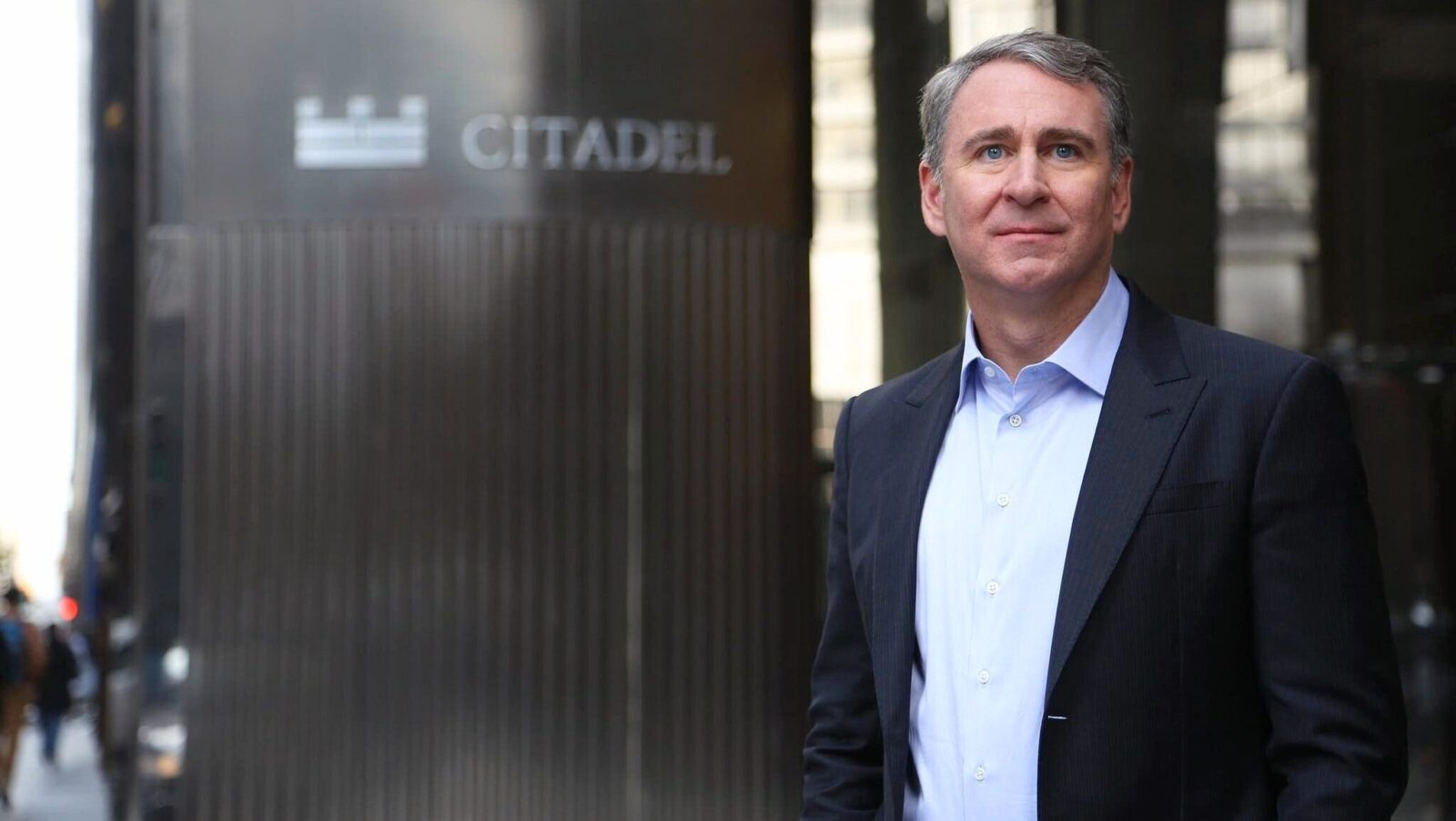
T.S. Eliot famously wrote that “immature poets imitate; mature poets steal.” Thankfully, mature hedge funds have more than enough money to pay for ideas.
Bloomberg News reported Tuesday that Miami-based Citadel, the high-flying hedge fund run by art-collecting billionaire Ken Griffin, is planning a new initiative that will compensate other hedge funds for trading signals.
Quant It All
Citadel’s plans fall into a category called alpha capture. Essentially, it’s the practice of collecting trading strategies and ideas from external sources in exchange for a fee. Brokers, analysts, up-and-coming fund managers and boutique hedge funds with niche expertise can submit ideas and typically get compensated if their submission is validated. The concept was the brainchild of British hedge fund Marshall Wace, which launched the world’s first alpha-capture application, the Trade Optimized Portfolio System, in 2002. TOPS crowdsources and aggregates ideas from thousands of vetted, sell-side financial professionals.
That the concept bloomed in the early 2000s was no coincidence. The rapid growth of computing power and digitization of vast amounts of data gave rise to the quantitative analyst, or quant. Quants are financial professionals who use advanced math, statistics and computer programming to find patterns in market data to gain an investing edge, including by using tools designed to rapidly execute trades. It was Wall Street’s Moneyball, in other words, where funds competed in an arms race to unearth hidden insights from data the same way front offices in baseball turned to sabermetrics. Quantitative strategies, of course, are now part of the lifeblood of hedge funds like Citadel. In this context, alpha capture is like outsourced research, potentially offering access to more data and strategies than a fund can produce in-house:
- Bloomberg reported that the $67 billion Citadel, whose flagship Wellington fund gained 1.4% in April, will house the new alpha-capture initiative within its Global Quantitative Strategies business.
- Similar to other alpha-capture strategies, Citadel will collect trading signals on whether to go long or short on investments from fund managers with an established track record.
Cashing In: Another way major hedge funds are utilizing the expertise of smaller peers is by simply handing them cash, outsourcing not just research but investing itself. Last week, Capula Investment Management reportedly backed smaller Cinctive Capital Management with $450 million. In March, prominent activist hedge fund Elliott Asset Management put roughly $100 million into the structured credit-focused hedge fund 37Spruce Investment Partners and, last fall, Brevan Howard invested $200 million in a healthcare fund run by Catalio Capital Management.
Don’t Blame AI for College-Grad Unemployment
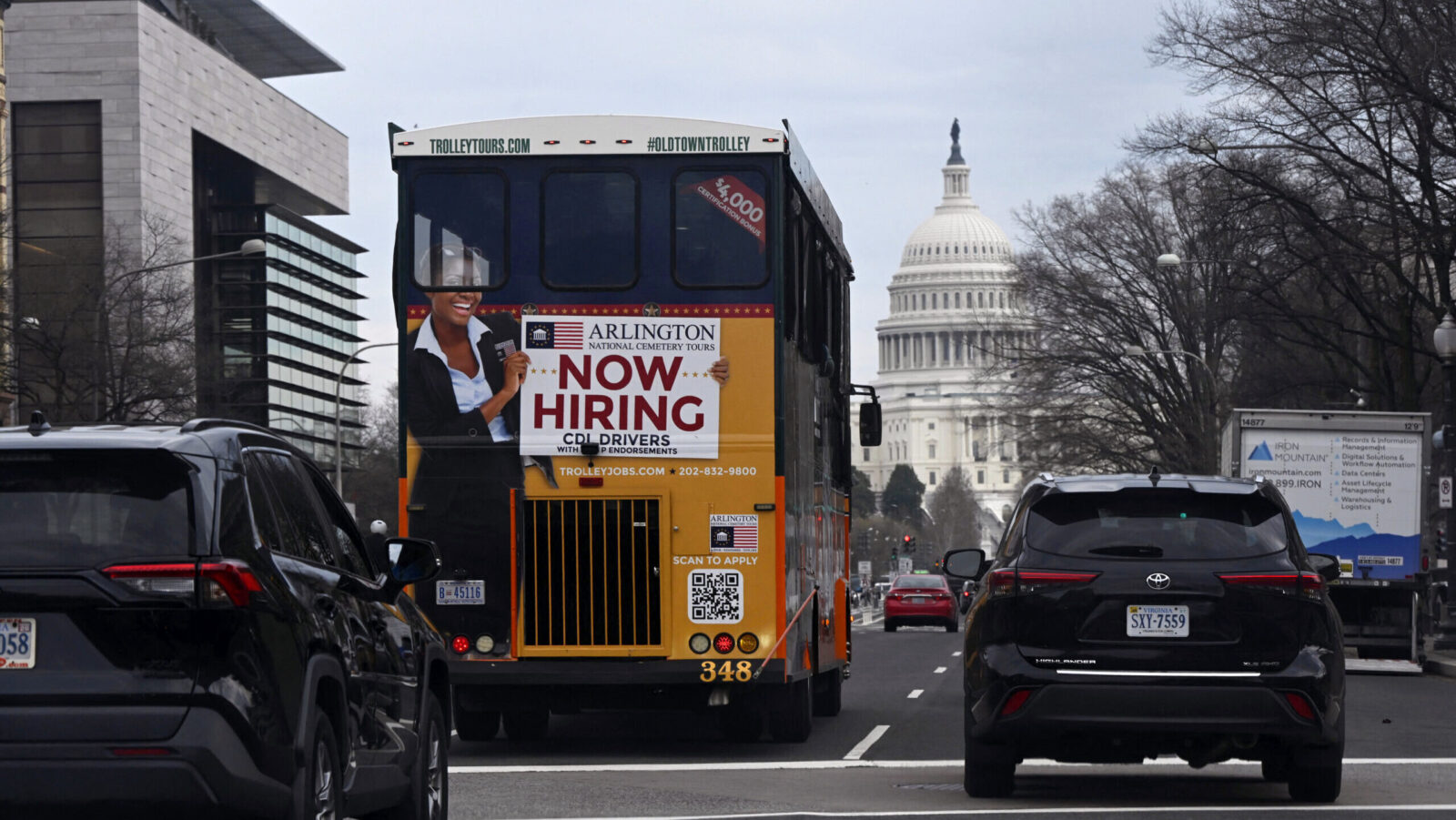
College graduates, it’s time to stop moping about AI and hit the career fairs. Jobs are back.
At least, that’s what Tuesday’s report from the Bureau of Labor Statistics suggests. Job openings jumped by 731,000 in April, hitting the highest level in almost two years. Young prospective workers may be especially happy to hear that employers are pulling out their “help wanted” signs. Unemployment for college graduates under age 29 surged roughly 20% from an average of 3.1% in 2017-2019 to 3.7% in 2022-2025.
Don’t Blame the Bots
The labor market’s favorite scapegoat may actually be innocent this time. The Federal Reserve Bank of New York says remote work, not artificial intelligence, can explain the majority (64%) of the rise in unemployment among young college graduates since the pandemic. WFH setups make it challenging for managers to train and mentor new employees, which may make companies reluctant to hire those with less experience.
“Many analysts have attributed the recent labor market challenges of young college graduates to generative AI, among other factors,” the Fed researchers wrote. “But the uptick in youth unemployment rates predates the rapid diffusion of AI.” Recognizing that young workers may be vying for roles more exposed to AI, they compared younger and older workers within those occupations, holding AI exposure constant, and still found a gap.
It wasn’t all good news from the Labor Department this week, though:
- The hiring rate ticked down to 3.2% from 3.5% in March as employers contend with uncertainty related to the war with Iran.
- The low-hire, low-fire dynamic can be attributed partly to rising labor costs and broader economic uncertainty, Noah Yosif, chief economist at the American Staffing Association, told CNN. “Miscalculating on the wrong worker can be costly for employers, and so employers are really taking their time to make sure they are filling jobs with the right candidates.”
Ripple Effect: Graduating into a tough labor market doesn’t just spell trouble for a year or two. Research shows people who do so tend to have lower earnings and slower career advancements than their peers, so fingers crossed that this Friday’s jobs report brings more good news.