

Good morning.
That’s Iger with an “and-one.” Fresh off his second run atop the Walt Disney Co., Bob Iger has talked with Joshua Kushner, the founder of venture firm Thrive Capital, about making a majority investment in a Las Vegas NBA expansion bid, Bloomberg News reported Monday. The NBA’s Board of Governors voted to formally explore adding franchises in Sin City and Seattle back in March, the same month Iger stepped down as Disney CEO.
To have a shot at running a team in Vegas, the two will need to drum up between $7 billion and $10 billion, the expected range for expansion bids, according to ESPN. The competition could include a group led by Earvin Johnson, the NBA great-turned-business mogul and minority co-owner of the MLB’s Los Angeles Dodgers, which has reportedly been scouting Vegas for months. As for Iger, we may find out soon enough if expanding the Magic Kingdom gives one an edge in finding the next Magic Johnson.
Comcast Calls It Splits With NBCUniversal

Comcast isn’t fully cutting the cord, but it did buy a cable splitter. The media company said Monday it’ll spin off NBCUniversal from its broadband and wireless biz. NBCUniversal includes the streaming service Peacock; TV networks NBC, Telemundo and Bravo; EU media biz Sky; and Universal’s studios and butterbeer-serving theme parks.
Investors applauded the move, boosting the stagnant stock nearly 17% Monday morning before paring gains later in the day.
Preening Streaming
Comcast completed its takeover of NBCUniversal from General Electric in 2013, spending nearly $23 billion in two deals to acquire the whole company. Streaming was still in its early days, making a tie-up of content producers and distributors more appealing. The media landscape has changed drastically since then, with streaming finally overtaking cable and broadband in 2022.
And as more people cut the cord, analysts questioned whether content and distribution would be better off with different strategies and goals. Comcast has already started to slough off its media side, spinning off properties including CNBC, Oxygen and Fandango into a new company called Versant earlier this year. Now it’s fully committing to cutting its bifurcated business into two halves:
- Comcast’s broadband and wireless biz, which will be separated from the earnings pie, made up more than half of the company’s revenue last year. At the same time, the business has been bleeding customers as rivals including Verizon and T-Mobile take over more of the connectivity market. The other side of the pie consists of a 21% revenue slice from media properties, including NBC and Peacock, and smaller pieces from studios and theme parks.
- Separating the two halves could help Comcast develop each separately, especially as it puts more focus on streaming. NBCUniversal execs have said Peacock will turn its first profit in the second quarter, after the “Love Island USA” streamer has fallen far behind rivals including Netflix, Disney+ and Max — all of which have already become profitable. Peacock’s pinning its hopes on major sports events like the LA Olympics to set it up for future success.
Plot Twists: There’ll be no lack of small-talk topics at the media-focused Sun Valley Conference next week, where execs are known to discuss future deals on the golf course. Paramount is moving forward with its purchase of Warner Bros. Discovery, Fox is scooping up Roku, and Nexstar is acquiring Tegna in a TV and local news tie-up. Some analysts think Comcast’s split-up sets it up to get in on the M&A action — Charter and Comcast could consider merging (Charter’s stock soared yesterday, too) while Netflix might be tempted to buy NBCUniversal after failing to nab Warner Bros Discovery. Comcast’s chairman said selling its businesses isn’t on his priority list.
Japanese Yen Hits 40-Year Low as Market Bets on Fed Rate Hike
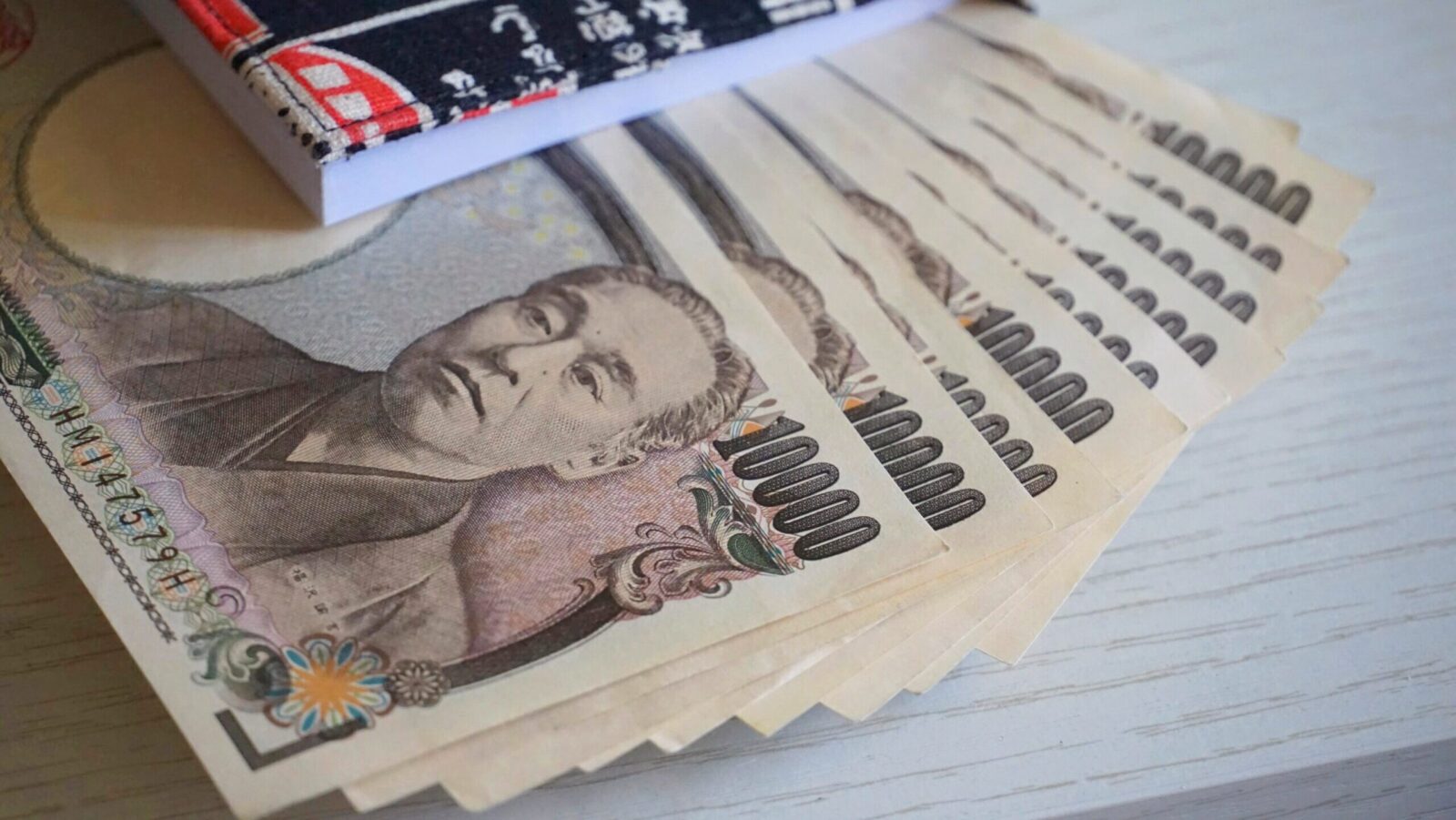
The last time the Japanese yen was this weak against the greenback, The Oprah Winfrey Show was making its national debut, and Bon Jovi’s “Livin’ on a Prayer” was climbing toward the top of the charts.
Long considered a safe-haven asset during times of global volatility, the Japanese currency is causing jitters for foreign exchange investors and calling into question the popularity of Prime Minister Sanae Takaichi’s government and whether it will intervene. On Monday, the yen hit 161.97 against the US dollar, its lowest level since 1986.
“Intervention is right around the corner if we don’t see a quick correction,” Andrew Hazlett, a foreign-exchange trader at Monex, told Bloomberg. But that would be “only a temporary fix if they do not address the interest-rate differential.”
End of the ‘Lost Decades’
Amid weak economic growth and low inflation, the Bank of Japan kept interest rates near zero from the ’90s until 2024, when it began gradually raising them. Earlier this month, the bank increased rates to 1%, a 31-year high, in an attempt to fend off energy-driven inflation from the war in the Middle East. But across the world, the Federal Reserve is also expected to raise already-higher US interest rates this year, giving investors reason to sell the yen and invest in the dollar.
The Japanese government did intervene last month for the first time since 2024, buying more than $73 billion to support its currency. Still, experts remain convinced that Japan’s economy is back from its “lost decades”:
- “Don’t let recent market volatility distract from the long-term fundamentals. We think another stage of growth is likely on its way,” Kei Okamura, managing director at Neuberger Berman, recently wrote. “Japan’s recovery from the ‘lost decades’ of deflation and meager growth has been an on-again, off-again phenomenon.”
- The multi-decade low for the yen is “significantly out of sync” with Japan’s fiscal fundamentals and relative bond yields, Cameron Systermans, the head of multi-asset strategy for Asia at Mercer, recently told CNBC.
JGB Yields Climb: Japanese government bond yields have been rising substantially over the past year, with the 10-year now above 2.6%. That’s above the typical defined-benefit pension return objective and the return objective of many insurance companies in Japan, yet they haven’t begun repatriating capital, Systermans said. “It could just be that people are looking for JGBs to stabilize, and if that does prompt a lot of the Japanese asset owners to bring their funds back to Japan, that could act as a catalyst for yen appreciation.”
Your 401(k) Doesn’t Come With an Instruction Manual

You spent decades learning to grow a portfolio. Turning it into 30 years of income is a different skill, and one nobody hands you on the way out the door. Retirable’s advisors can help you develop that second skill and turn savings into income, with a plan for taxes and Social Security, too. Book a free consultation.**