

Good morning.
For Bill Ackman, it was the day the music died. Pershing Square moved to sell its entire 4.7% stake in Universal Music Group on Thursday, days after the music publisher rejected a $65 billion takeover offer from the Ackman-led hedge fund. UMG, which dismissed Pershing’s bid for “fundamentally and materially” undervaluing the worth of its massive song catalog, said it paid roughly $291 million to buy back 14 million of the 80 million shares Pershing is set to offload.
The Wall Street Journal reported that Pershing expects to walk away with a tidy $600 million profit from its five-year investment in UMG, including dividends. Meanwhile, UMG’s Amsterdam-listed shares slid 4.9% on Thursday. Like the song by the UMG-distributed Rolling Stones goes: You can’t always get what you want, but if you try sometimes, you get what you need … provided the selling price of an asset exceeds your purchase price. Maybe Mick Jagger didn’t write that last bit, but he was thinking it.
After a 557% Surge, this Metal Is Still in Demand
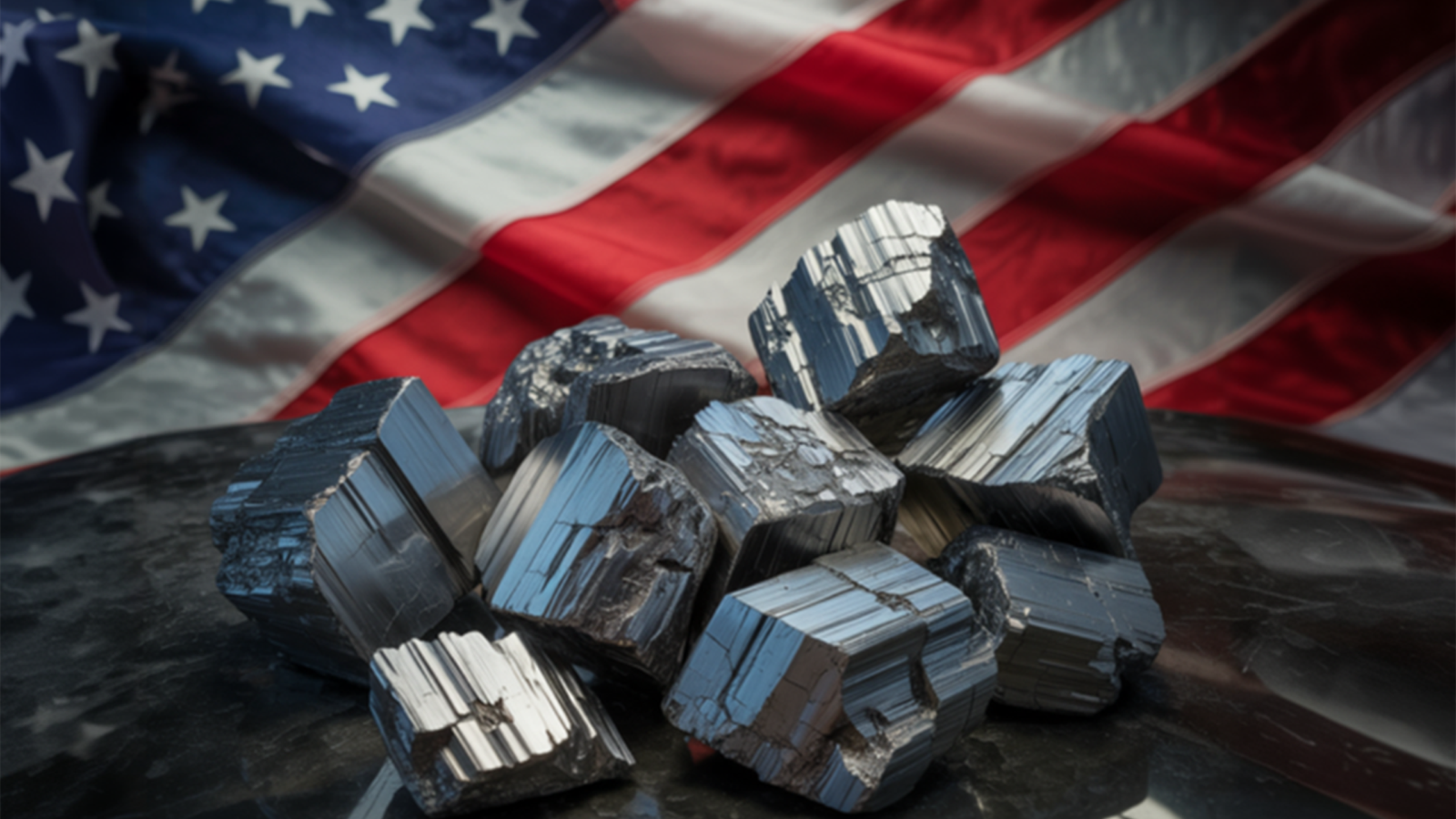
Tungsten powers everything from aerospace to EVs. That’s why it’s projected to be a $10 billion industry by 2030, and one company is positioning itself to transform the domestic tungsten supply chain.
United States Tungsten is working toward reopening a domestic recovery and processing facility through the Tungsten Queen, holding approximately 1 million tons of tungsten. Demand is expected to surge as the US rebuilds its domestic mineral supply. With critical mineral legislation accelerating and defense budgets rising, domestic suppliers have a unique opportunity to lead the market.
United States Tungsten is already in talks for government supply contracts.
You can now invest in United States Tungsten and lock in up to 23% bonus shares before June 12.*
Regulator Helps Constellation Energy Fast-Track Three Mile Island Revival
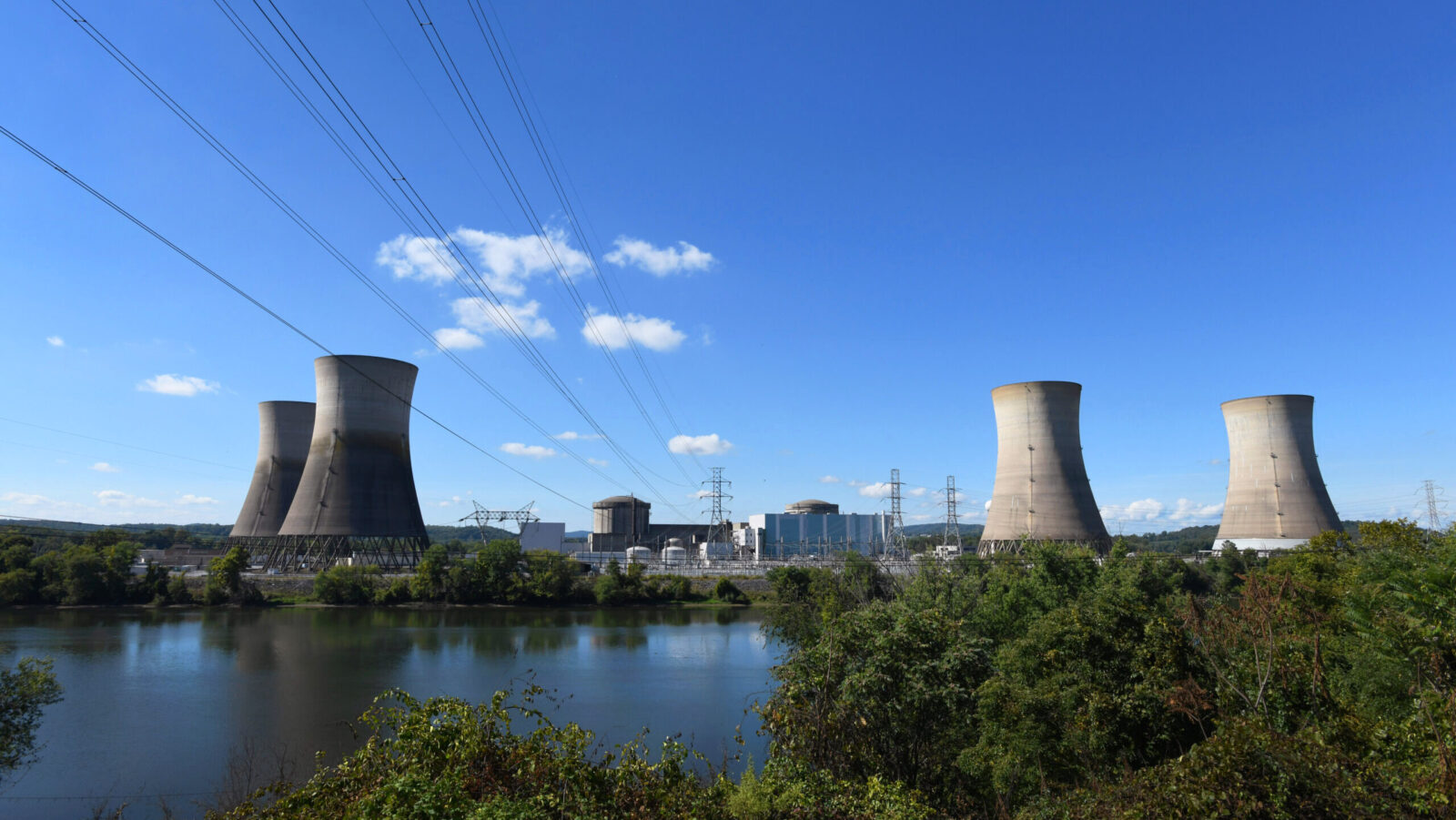
America’s fear of nuclear energy might be a mile wide and an inch deep. Or, in this instance, three miles wide. Regardless, just about every stakeholder is hoping to conquer their fears, and fast.
This week, the Federal Energy Regulatory Commission (FERC) approved Constellation Energy’s request to fast-track its revival of the Three Mile Island nuclear power plant in Pennsylvania. The plan is to bring the once-doomed power plant back online sometime next year to service a nearby glut of power-hungry Microsoft data centers. For the hyperscaler and its area neighbors, energy relief can’t come soon enough.
Star Power
Microsoft struck a deal with Constellation in 2024, committing to a 20-year contract to buy all the electricity produced by the 835-megawatt reactor at the Crane Clean Energy Center on Three Mile Island (that is, the reactor that didn’t melt down 47 years ago). For reference, nearby Pittsburgh requires about half that much energy. Microsoft needs the power not only for its data centers in the state but also those in Chicago, Ohio and especially northern Virginia, where it has a major presence in so-called Data Center Alley.
The waiver Constellation received from FERC could significantly accelerate the timeline for Crane’s revival; previous projections didn’t see the plant coming online until 2031. In the meantime, electricity costs continue to rise:
- In Virginia, home to over 600 data centers, residential electricity bills surged nearly 15% year-over-year as of March, according to the US Energy Information Administration; in neighboring Maryland, residential costs rose an astounding 89%.
- In Pennsylvania, the Public Utilities Commission recently warned residents to expect higher electricity costs starting this month, due partly to surging data center demand; bills may rise 10% or more.
A bipartisan group of Pennsylvania lawmakers is pushing legislation to protect residents from data center-related price hikes, mirroring proposed federal legislation and the White House’s Ratepayer Protection Pledge, already signed by many hyperscalers.
Fuse it or Lose it: Elsewhere in the realm of nuclear power, startup Thea Energy raised $100 million in Series B funding this week as it works to build commercial-scale fusion reactors. The science of nuclear fusion (as opposed to the fission process at Three Mile Island and elsewhere) remains highly complex, though Thea Energy co-founder and CEO Brian Berzin told The Daily Upside in February that it will be “delivering electrons reliably to end customers within a decade.” That $100 million certainly helps.
How Elite Traders Move on Futures Markets

Succeeding in global futures and options takes precision and confidence. CME Group provides both, with deep liquidity and around-the-clock access to hedge risk and seize opportunity when the time is right. Explore CME Group’s educational resources and tools to sharpen your strategy.
Bitcoin Sinks to Four-Month Lows as Investors Eye Sparkly IPOs

Bitcoin may be having a worse week than Euphoria fans who wanted a Season 4 with more glitter makeup. The cryptocurrency plunged to its lowest level since February, briefly bottoming out below $62,000 Thursday.
The weak week kicked off Monday when Michael Saylor, a bitcoin maximalist known for saying he’d never sell, sold a small part of his massive stockpile for the first time since 2022. Saylor’s bitcoin-holding company, Strategy, parted with 32 bitcoin for about $2.5 million, a few grains of sand off its mountain of more than 800,000 bitcoin worth tens of billions of dollars.
But that little bit of sand seemed to get in investors’ eyes.
Tech Stocks Break Up with Bitcoin
The S&P 500 and Nasdaq 100 both notched records this week, challenging the narrative that tech stocks and crypto are tightly tied. The reason could be simple: When it comes to speculative trading, crypto simply has less hype around it right now. Investors may be liquidating some crypto to prepare for a burst of splashy IPOs, with SpaceX going first and AI titans OpenAI and Anthropic likely to follow. Saylor pointed to “capital rotation” toward the AI boom as a key reason that bitcoin is resetting.
Crypto’s biggest upcoming event, meanwhile, is TBD: Investors are growing frustrated waiting for passage of the Clarity Act. Bitcoin’s most prominent corporate maximalist, Strategy, showing even a small stutter in its step could hurt confidence at a sensitive time:
- Public companies have piled into crypto during the industry-friendly Trump era, and together they now hold 1.24 million bitcoin. Companies that copied Strategy’s playbook could be backing out of their positions in Saylor’s wake.
- Spot bitcoin ETFs, which have helped drive the crypto’s gains in the past, set a record for consecutive outflows this week as investors liquidated $4.4 billion over 13 days.
Waiting Game: While there are many reasons bitcoin enthusiasm could be waning, bitcoin might also be experiencing normal growing pains that long-term HODLers know all too well. Wolfe Research wrote in a note that bitcoin’s four-year cycle could see the token dip below $40,000 this fall before picking back up.