
Good morning.
Kalshi’s Super Bowl was a $1.1 billion stress test for the NFL’s patience. The league would like a few more guardrails in place before the next one.
CNBC reported Monday that the National Football League wrote to prediction market operators registered with the Commodity Futures Trading Commission, urging them to refrain from offering contracts on easily manipulated events or things insiders might know in advance.
For example, whether a kicker makes a field goal or whether a quarterback completes their first pass in a game could be determined by a single person. Or several people might know whether a celebrity or other public figure is planning to turn up to a game before the rest of the world. Bets should be limited to things that everyone has a fair chance of predicting, like the Jets losing.
There’s a Clear Winner from the Shutdown’s Disruptive Airport Delays
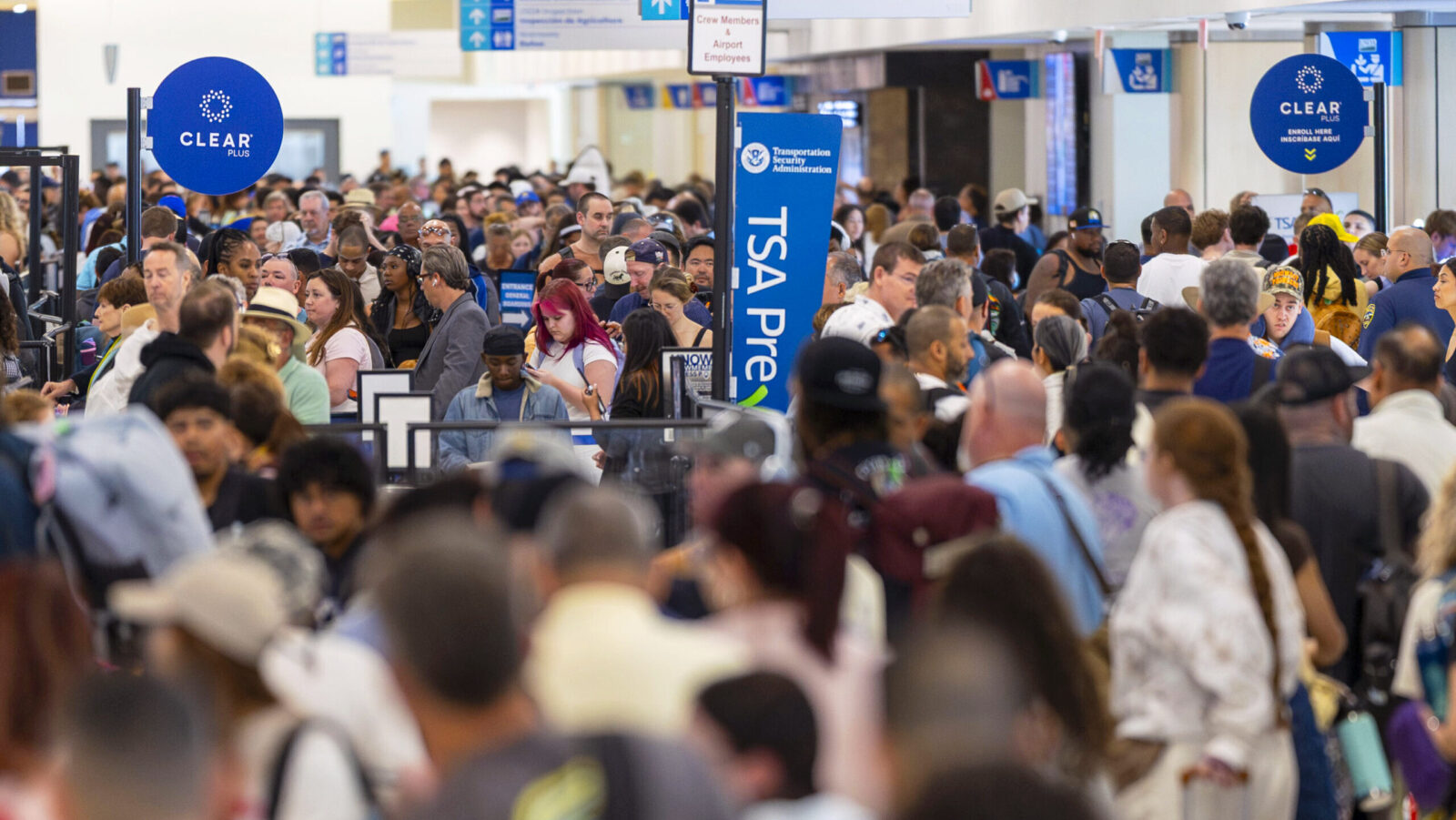
Clear Secure has been downloaded hundreds of thousands of times, and its stock has surged as long airport lines lead fliers to sign up for the time-saving service.
Downloads of the Clear app climbed toward 300,000 for March, when the shutdown started sowing chaos at airports, Sensor Tower found. That’s more than three times the number for the same time last year. Appfigures Intelligence found downloads this Sunday were up 625% compared with the app’s daily average in January and February.
Clear could have more runway for expansion. Even though President Trump signed an executive order to fast-track sending paychecks to TSA agents who’ve been calling in sick as they wait for their shutdown-delayed pay, long airport lines aren’t expected to shrink overnight.
Big Biometric Ambitions
Clear’s shares spiked more than 60% from February 23, when it shared strong earnings guidance, to a month later. It maintained most of those gains even after Trump unveiled his plan to pay TSA agents. After all, Clear is an annual membership, so even if signups stall as delays ease, new subscribers are already set up on yearlong plans.
Most of the company’s revenue comes from the $209 Clear Plus subscription, which lets passengers cut to the front of the TSA line at 60 US airports. In the winter quarter, the company’s revenue rose 16% and total bookings increased by more than 25%.
Clear is also pushing its biometric business beyond the airport:
- Clear’s business-focused offshoot, Clear1, hit a bookings record last quarter. The company has been striking deals with hospitals and other healthcare organizations to roll out its line-expediting tech for patients. The company recently signed a contract with the Centers for Medicare and Medicaid Services.
- Clear has also partnered with Epic, an electronic medical records platform known for its MyChart patient portal. The team-up allows for one-step setup and ID verification.
Time Is Money: Clear has built a cult following among travelers who like to show up for flights five minutes before boarding. But haters have wondered what makes Clear Plus worth paying a premium over TSA PreCheck, the government’s line-cutting program that costs about $80 for five years. Frequent fliers may already have credit cards that cover both services, like the American Express Platinum card. Other travelers may need to see a big difference between TSA and Clear lines to pony up for Clear Plus, the kind of difference that emerges during a partial government shutdown.
Your Sleep System Needs an Upgrade
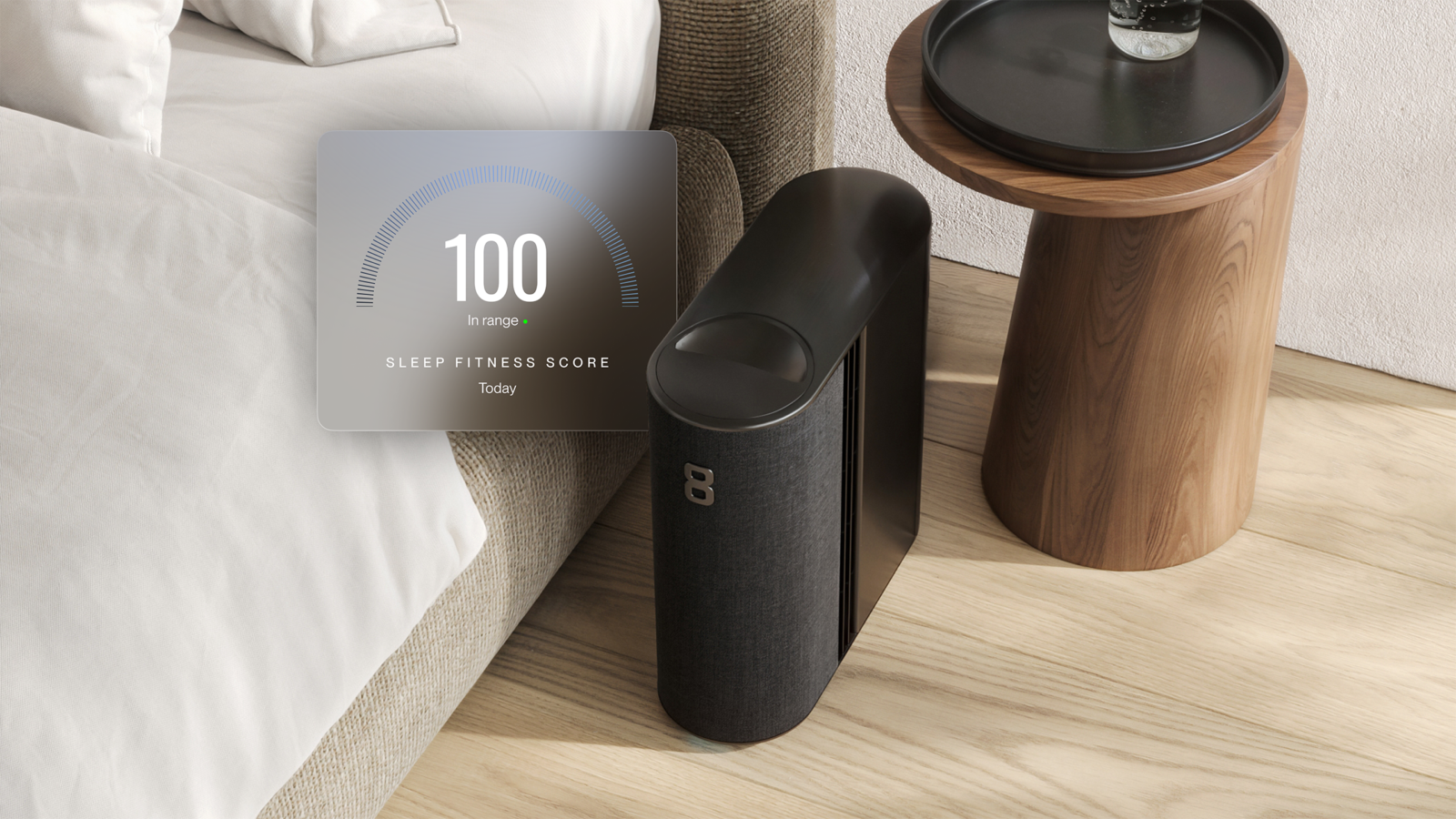
You track workouts, nutrition and recovery. But sleep powers everything. The Pod by Eight Sleep automatically heats or cools your bed all night using Autopilot, the AI behind the Pod — trained on insights from over 1 billion hours of sleep data. Get up to $350 off the Pod with code UPSIDE.*
Carlyle Group Reportedly Pitching Defense Fund
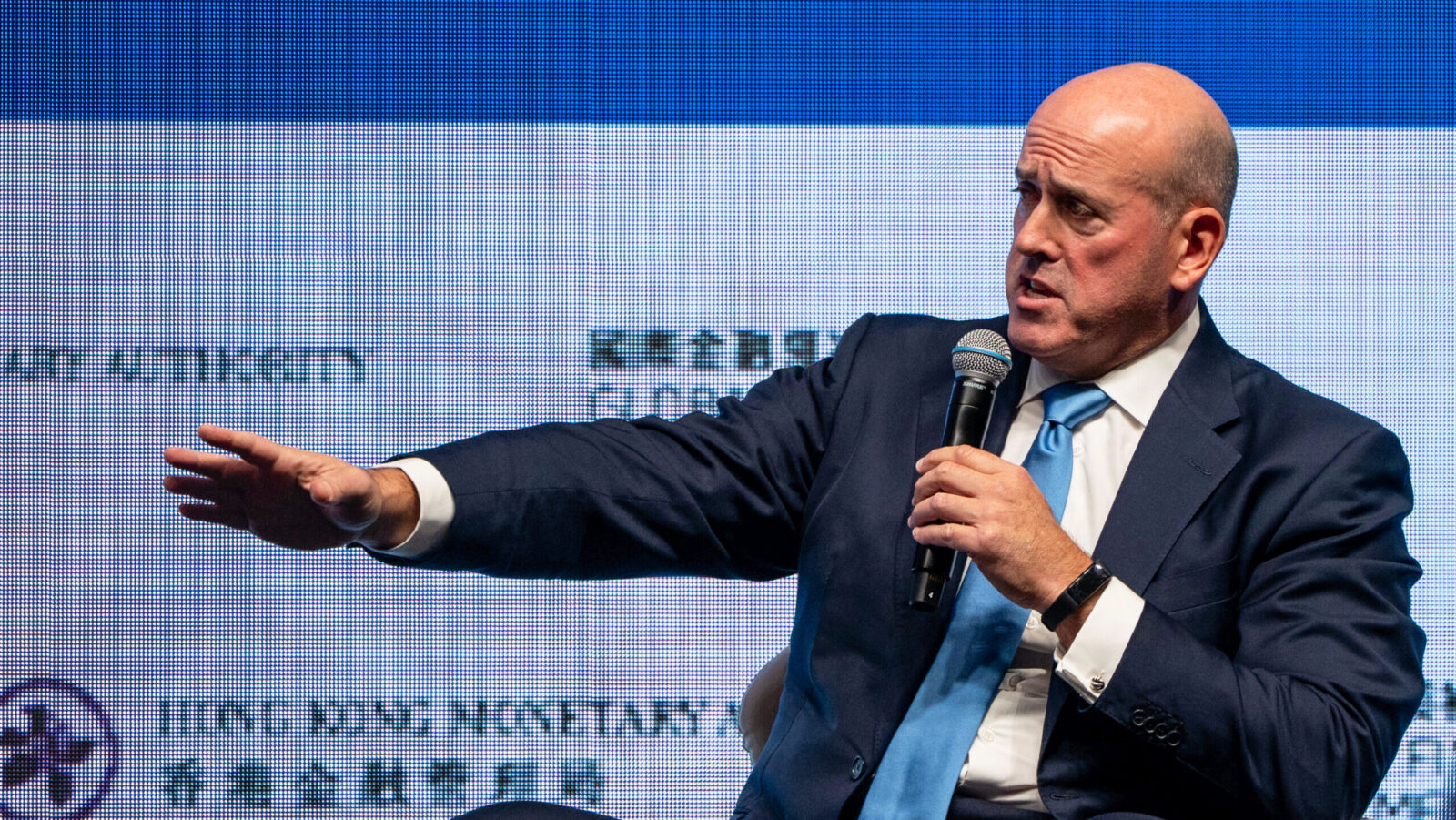
Geopolitical conflict often doesn’t make sense, but it does make dollars.
Private equity giant Carlyle Group is pitching investors on a defense-focused fund aimed at capitalizing on governments’ plans to upgrade and overhaul their armed forces, Bloomberg reported Monday.
Corporate Cadets
Allies on both sides of the Atlantic have committed billions to upgrade military infrastructure over the past several years, and there’s plenty more where that came from. President Donald Trump said he plans to request $1.5 trillion for the Pentagon’s 2027 budget later this week, a 50% increase. Meanwhile, the $574 billion spent by NATO’s European members and Canada on core defense last year represented a 20% increase from 2024, according to the alliance’s annual report. All 32 NATO members have pledged to increase defense spending to 5% of GDP by 2035, an endeavour that will cost hundreds of billions of dollars.
Carlyle isn’t the only one looking to cash in. Rival Warburg Pincus has also been considering a defense-focused fund. And buyout shops are all over the sector:
- When defense tech startup Shield AI announced a $2 billion funding round last week, private equity firm Advent International served as lead investor while Blackstone-managed funds committed $500 million in preferred equity. AEVEX, another defense tech contractor with backing from Madison Dearborn Partners, filed last week for an initial public offering.
- Last October, US Army Secretary Daniel Driscoll and Treasury Secretary Scott Bessent met with top private equity groups including Apollo, Carlyle, Cerberus and KKR to pitch them on funding a $150 billion infrastructure refresh. The US Army is also seeking public-private partnership pitches in areas including energy and manufacturing.
Getting Results: As it happens, one idea discussed at the October meeting was having private capital firms build data centers at army facilities and lease them to the government. Demand for computing power has grown exponentially as forces increase their use of AI. Last week, the Army announced it had picked Carlyle and CyrusOne, which is held by BlackRock and KKR-managed funds, to do just that, with each set to build a $2 billion data center in Texas and Utah, respectively.