

Good morning.
Sony and Singaporean sovereign wealth fund GIC are nearing one of the largest music rights deals in history, Bloomberg and The Hollywood Reporter said Wednesday. The two are in talks to pay Blackstone up to $4 billion for Recognition Music Group, which owns or manages the rights to over 45,000 songs, including works by musical icons for every generation: Gen Z (Justin Bieber), millennials (Justin Timberlake), Gen X (the Red Hot Chili Peppers) and baby boomers (Neil Young).
Blackstone acquired the company, then known as Hipgnosis, for $1.6 billion in 2024, at a time when private equity shops upped their interest in music publishing rights. Music majors Sony, Universal and Warner countered the well-moneyed Wall Street firms by setting up joint ventures with the likes of GIC to finance their own deals. Blackstone, meanwhile, appears mindful of Bob Dylan’s line that says, “You can always come back, but you can’t come back all the way.” The firm would keep a foothold in music through its ownership of Nashville-based SESAC, which holds public performance rights for more than 15,000 songwriters including Adele and Dylan.
Apollo Boosts Private Credit Transparency as Industry Faces Record Redemption Requests
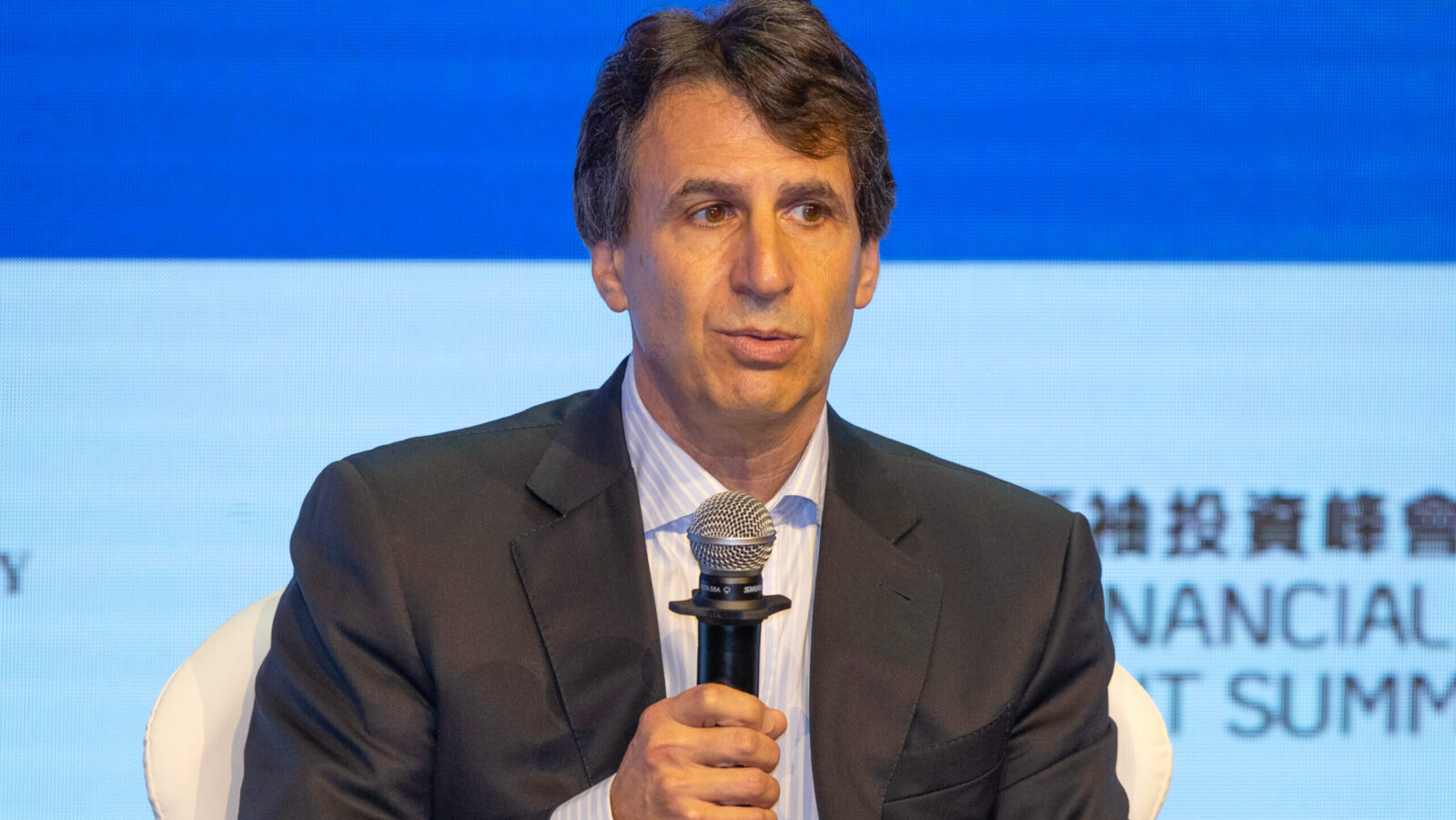
Apollo is coming out of the shadows.
CEO Marc Rowan said his firm will offer investors daily valuations for its private-credit funds by October, in a transparency-focused move to demystify and ease concerns about an opaque sector that’s dealt with record redemption requests this year. Expect more to follow.
Unlock the Gates
For its part, Apollo is managing choppy waters like a Deep-V hull (pretty well, for non-boating enthusiasts). The firm reported Wednesday that assets under management surpassed the historic $1 trillion milestone in the first quarter and delivered a record $728 million in fee-related earnings, 30% more than the same period last year. Adjusted net income rose 8% to $1.2 billion. That offset a loss in the firm’s asset-backed debt portfolio related to the collapse of British property lender Market Financial Solutions.
Meanwhile, Rowan said Apollo has de-risked its portfolio by slashing exposure to sectors like software and is holding $40 billion in cash to position it in case markets, which look “quite strong” at the moment, experience “out of the box” disruption from geopolitical events, inflation or AI. On an earnings call, he said the risk of a major shock is 30% to 35%, much higher than usual. That call is also where Rowan said his firm will aim to ease some current investor anxiety over loan defaults in the $2 trillion private credit sector by offering more transparent data about the value of non-bank debt:
- Apollo will publish daily marks for its entire $800 billion credit business by September 30, breaking with the industry standard of quarterly valuations. As it happens, the global watchdog Financial Stability Board issued a report Wednesday critical of private credit’s purported lack of standardized data and opaque valuation practices, concerns that Apollo appears poised to address proactively.
- The Investment Company Institute, an asset management trade group, recently argued that framing private credit funds enforcing redemption caps as “a sign of broader concerns” misses the mark and that the moves represent effective liquidity management that safeguards the funds’ long-term stability. Rowan, on Apollo’s earnings call, additionally suggested the sector is not intrinsically riskier than traditional lending: “Private credit is just credit: You underwrite it well and it performs, you underwrite it poorly and it doesn’t.”
Fighting Words: Rowan warned investors against funds that buy second-hand stakes in private equity funds and, soon after, mark them up in an act of “mispricing.” He also went off on the insurance sector, where Apollo is a major player, claiming some unnamed rivals are engaged in “egregious” activities to inflate balance sheets, such as deploying opaque offshore “Cayman” structures and collateral loans. “No games, just straightforward business,” he said.
Your Network Just Got 110,000 Stronger

Past a certain point, working harder stops moving the needle. The people who keep advancing change something else: how they think and who they’re surrounded by.
The NYU Stern Executive MBA program is designed for professionals who aren’t stepping away from their careers, but aren’t standing still either. Classes meet every other Friday and Saturday over 22 months, with world-renowned faculty, a curriculum you can tailor, and access to a global network of 110,000+ Stern alumni across industries and continents.
It’s not just about what you learn. It’s who you’re in the room with.
Why Working 1 More Year Can Change Everything

Retiring at 65 doesn’t actually fit most people. Many still want to work and keep earning. Life After Work is the retirement concept where you pursue flexible, value-fitting work and keep generating income after 65. Besides pursuing meaningful work, the financial upsides can be incredible, like less withdrawals, extended compounding and improved long-term outcomes. Find out if Life After Work fits your goals.
Wall Street Fetes D’Amaro Like a Disney Prince as Earnings Beat Buoys Stock Price

This was Josh D’Amaro’s first earnings report as CEO, and the market treated it as a coronation.
Disney shares popped 7% Wednesday after the House of Mouse reported an earnings beat driven by wins across its various businesses, and the new top boss outlined his vision for the storied entertainment company.
It’s a Similar World After All
Life under D’Amaro’s reign, which began in March, has not exactly been a fairy tale thus far. The company’s big AI bet suddenly went bust after OpenAI made the shock decision to shutter video generator platform Sora. Meanwhile, Disney’s investment in Epic Games is looking like a too-little-too-late foray into the world of video games amid a major dip in playtime for the marquee title Fortnite. Disney promptly slashed around 1,000 jobs in April and more recently told some tech staff that it would cut their stock-based compensation plans.
In a memo Wednesday, the new head honcho attempted to turn a new leaf by laying out four strategic pillars: “breakthrough creative storytelling,” “strengthening our streaming business through product and technology innovation,” “fully capturing the power of live sports” amid ESPN’s ongoing DTC rollout and “bold growth plans at Disney Experiences.” The company’s earnings show that his plan more or less doubles down on what’s already working:
- Revenue in the entertainment division climbed 10% to $11.7 billion, with its streaming unit reporting an 88% leap in operating income.
- Sales in the experiences division, which includes theme parks, jumped 7% to $9.5 billion. Global visits to parks ticked up 2%.
Own Goal: On the other hand, “capturing the power of live sports” is a little more costly. While revenue for the ESPN-driven sports unit ticked up 2%, operating income fell, and an NFL rights renegotiation will only generate more pain. What constitutes “breakthrough creative storytelling” these days is up in the air, too. The Mandalorian & Grogu movie is tracking for a Memorial Day weekend box office debut of just $80 million, an all-time low for live-action installments of the Star Wars franchise. The force may not be with this one despite Baby Yoda’s fan base.