

Good morning.
At these prices, you aren’t just buying a seat; you’re practically funding FIFA’s retirement plan. If you want to see the US Men’s National Team face off against Paraguay in the opener, be prepared to shell out at least $1,120, roughly the cost of a very used sedan or a very, very nice espresso machine. That’s a little too much for even President Donald Trump, who’s worth an estimated $7 billion: “I would certainly like to be there, but I wouldn’t pay it either, to be honest with you,” he told the New York Post.
FIFA chief Gianni Infantino argued that US ticket resellers mean “we have to apply market rates.” Infantino also joked that he would personally “bring a hot dog and a Coke” to anyone who bought a ticket to the final for $2 million. Hurry, they’re going fast.
Shell Pumps Out Banner Profits Despite Iran War’s Seismic Upheaval
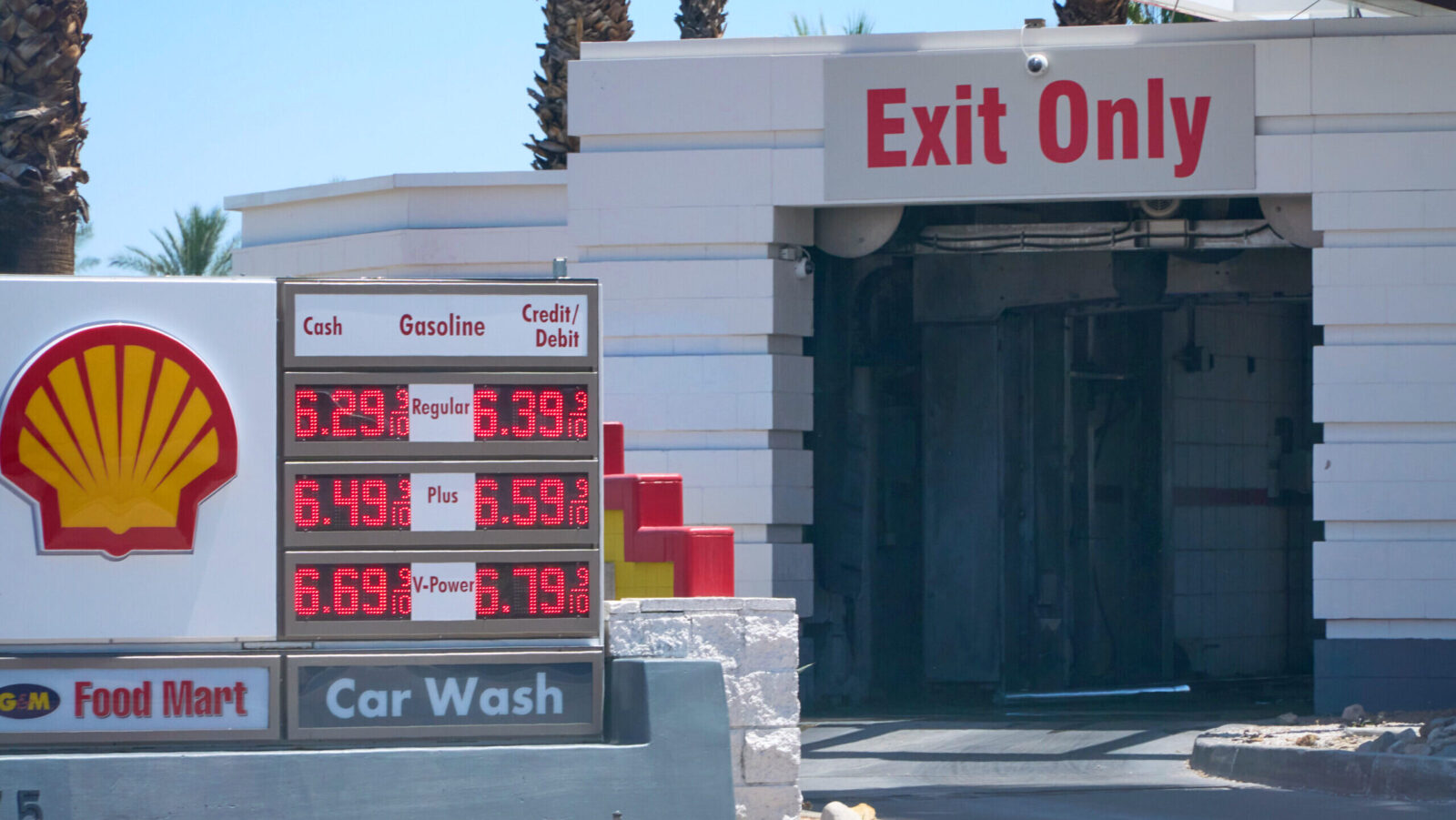
As it turns out, “unprecedented disruption” is not inherently bad for business.
At least for Shell, which used the term to describe the Iran War’s impact on global energy markets in its first-quarter earnings report on Thursday, where it also revealed a whopping $6.9 billion in profit. As if you needed any reminder that there was someone on the other side of $120 barrels of oil.
Inside Strait
While Shell is exposed to wartime disruption, it’s not entirely vulnerable. Roughly 20% of Shell’s oil and gas production occurs in the Middle East, though about half of that comes from Oman, which means shipments don’t have to pass through the Strait of Hormuz. Still, outages across the region, mainly in Qatar, caused a 4% dip in output from the prior quarter.
Expect that to get worse. Shell said it expects integrated gas production to fall by more than a third in the current quarter, while LNG liquefaction volumes may fall by up to 14%. The company similarly expects no production from Qatar this quarter, cutting it off from around 300,000 barrels of oil per day. “That’s a material impact,” CEO Wael Sawan told the Financial Times on Thursday. And getting its marquee Qatar facility fully back online will take a year and some half-billion dollars in repairs, CFO Sinead Gorman said during a call with analysts. The company also took a $2.4 billion hit from hedging contracts that went south amid volatile prices.
On the other hand, its wins more than offset its losses:
- Adjusted profit of $6.9 billion marked a roughly 25% jump year over year, trouncing consensus analyst expectations of about $6.1 billion. Its chemicals and products unit, which includes both refining and oil trading, posted profit of $1.9 billion.
- The boom was thanks in large part to rapid price swings, which tend to spark massive demand from major buyers such as airlines and utilities looking to hedge against further increases.
“I think our operational performance, in particular in times of volatility, leveraging our trading, does mean that we are able to create real value and drive cash at times like this,” Sawan said on the analyst call.
Running Low: The good times might not last forever, and Shell warned that prolonged volatility will eventually catch up with it. Shell cut quarterly buybacks from $3.5 billion to $3 billion, warning that the market will probably tighten as heightened prices soften demand. “We have dug ourselves a hole of close to 1 billion barrels of crude shortage at the moment … and of course, that hole is deepening every single day,” Sawan said. “The journey back will be a long one.”
Own Stocks Without Owning Tax Headaches

Have you heard about self-directed investing at Betterment? Trade from thousands of stocks and ETFs with fractional shares, zero commissions and tax insights other apps don’t have.
What sets Betterment apart is their Tax Impact Preview. It’s a tool that shows you the tax consequences of a trade before you make it, including wash sale risk, so you can make smarter decisions to help avoid surprises on your tax bills. Betterment thinks about your taxes all year long, so you can focus on what matters.
Automated investing, retirement savings and self-directed investing living in one place, with one login, and one clear picture of your finances.
Still Fronting the Money? The Traders Who Moved $1T Already Rebuilt the Rails
Institutions powering the world don’t have time to wait for prefunding or batch systems. Built by former high-frequency traders at Jump Trading, Monad delivers actual real-time settlement — 10,000 TPS, near-zero fees, no one fronting the money behind the curtain. Unlock the future of global payments here.
McDonald’s Beefs Up Value as Rising Gas Prices Drain Customers’ Wallets
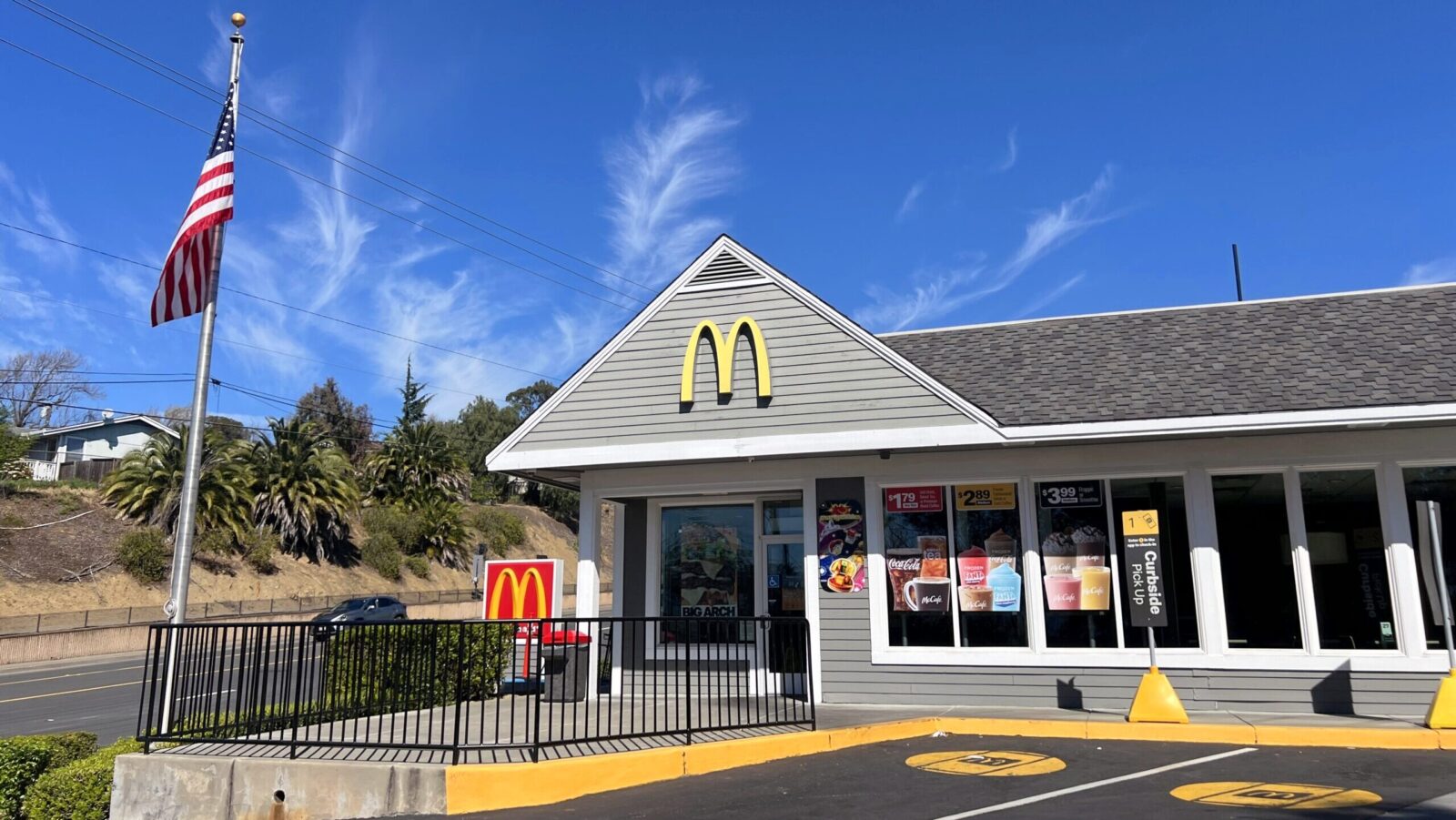
Despite spiking energy prices from the Iran war, the S&P 500 has climbed 11% in the past month, much to Wall Street’s delight.
It’s a different story on Main Street, however. The latest evidence: McDonald’s, which said Thursday that, when it comes to rising gas prices at the pump, customers are decidedly not loving it.
Running Out of Gas
First, the good news. In the first quarter, McDonald’s managed better-than-expected revenue (up 9% from last year to $6.5 billion) and profit (net income rose more than 5% to $2 billion). Same-store sales rose 3.8% and, in the fast food chain’s US home market, climbed 3.9%, bolstered by customers spending more per visit.
Then, there’s the not-so-good. CFO Ian Borden warned on an earnings call Thursday that the second quarter looks less rosy. Sales fell narrowly in April, he said, as higher gas prices weighed on both lower-income Americans and franchisees’ margins. The average gas price nationwide was $4.56 on Thursday, up from $2.98 on February 28, the day the US and Israel attacked Iran. “When you have elevated gas prices, which is the core issue that we’re all seeing in the press right now — gas prices, inflation on that — that is going to disproportionately impact low-income consumers,” CEO Chris Kempczinski added. Others have issued similar warnings, though McDonald’s has a plan to make the best of what Kempczinski called a “challenging environment” in which consumer spending “may be getting a little bit worse”:
- Other restaurant companies, including Chipotle, Domino’s and Shake Shack, reported softening sales in March, too. Kraft Heinz CEO Steve Cahillane told The Wall Street Journal earlier this week that “consumers are literally running out of money toward the end of the month.”
- McDonald’s mantra is value, something executives hope to leverage in enticing strapped consumers who are increasingly aware of where their money goes furthest. Last month, it added several items under $3 to its McValue menu.
Performance Review: Kempczinski was especially unhappy with himself when it came to McDonald’s company-owned restaurants, where margins fell 25% from a year ago to $59 million. “Either I fix that, or we’re going to find franchisees who could run the restaurant better,” he said.