Shell Pumps Out Banner Profits Despite Iran War’s Seismic Upheaval
The boom was thanks in large part to the rapid price swings, which sparked huge demand from big buyers such as airlines and utilities players.
Sign up for smart news, insights, and analysis on the biggest financial stories of the day.

As it turns out, “unprecedented disruption” is not inherently bad for business.
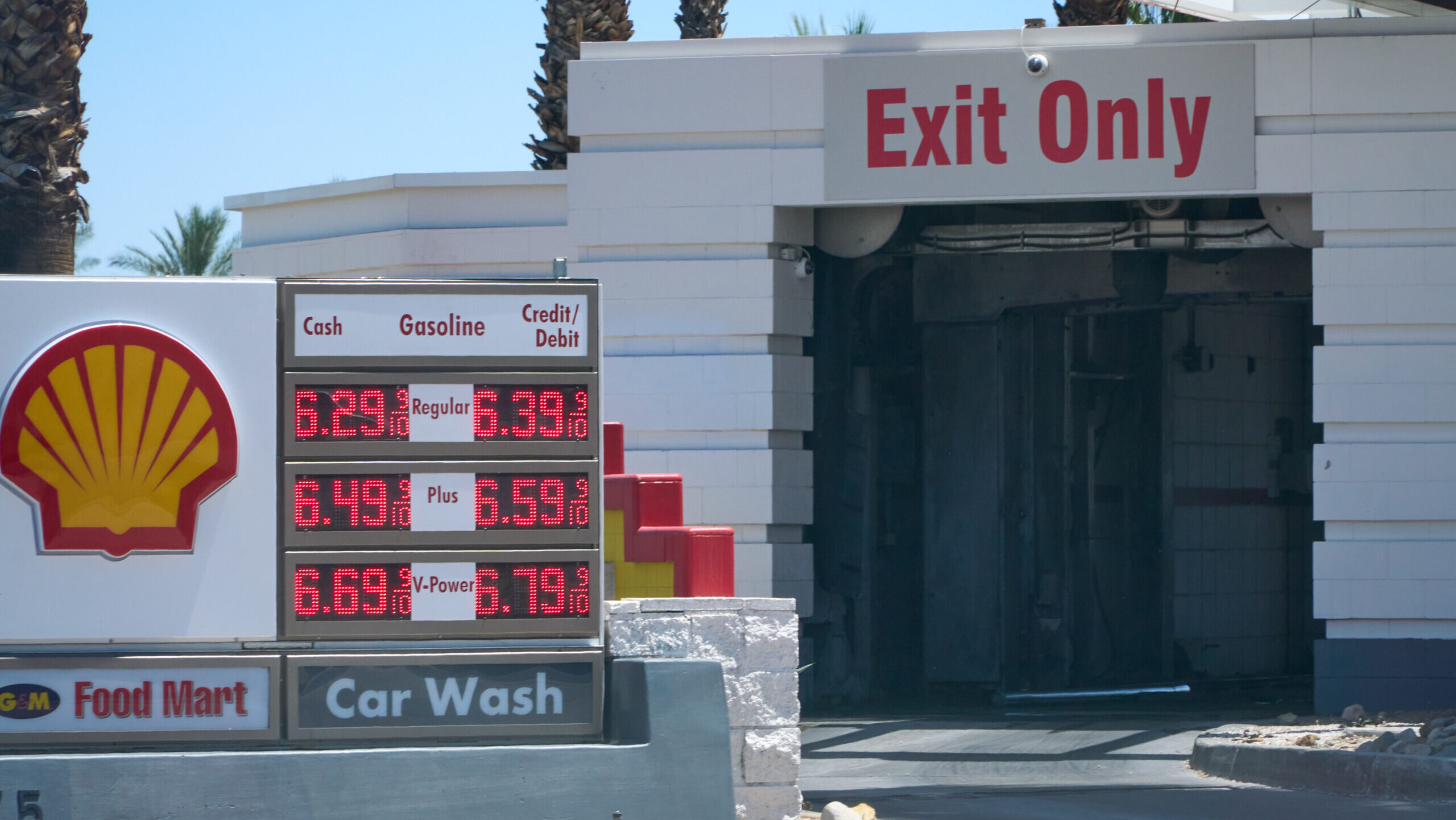
At least for Shell, which used the term to describe the Iran War’s impact on global energy markets in its first-quarter earnings report on Thursday, where it also revealed a whopping $6.9 billion in profit. As if you needed any reminder that there was someone on the other side of $120 barrels of oil.
Inside Strait
While Shell is exposed to wartime disruption, it’s not entirely vulnerable. Roughly 20% of Shell’s oil and gas production occurs in the Middle East, though about half of that comes from Oman, which means shipments don’t have to pass through the Strait of Hormuz. Still, outages across the region, mainly in Qatar, caused a 4% dip in output from the prior quarter.
Expect that to get worse. Shell said it expects integrated gas production to fall by more than a third in the current quarter, while LNG liquefaction volumes may fall by up to 14%. The company similarly expects no production from Qatar this quarter, cutting it off from around 300,000 barrels of oil per day. “That’s a material impact,” CEO Wael Sawan told the Financial Times on Thursday. And getting its marquee Qatar facility fully back online will take a year and some half-billion dollars in repairs, CFO Sinead Gorman said during a call with analysts. The company also took a $2.4 billion hit from hedging contracts that went south amid volatile prices.
On the other hand, its wins more than offset its losses:
- Adjusted profit of $6.9 billion marked a roughly 25% jump year over year, trouncing consensus analyst expectations of about $6.1 billion. Its chemicals and products unit, which includes both refining and oil trading, posted profit of $1.9 billion.
- The boom was thanks in large part to rapid price swings, which tend to spark massive demand from major buyers such as airlines and utilities looking to hedge against further increases.
“I think our operational performance, in particular in times of volatility, leveraging our trading, does mean that we are able to create real value and drive cash at times like this,” Sawan said on the analyst call.
Running Low: The good times might not last forever, and Shell warned that prolonged volatility will eventually catch up with it. Shell cut quarterly buybacks from $3.5 billion to $3 billion, warning that the market will probably tighten as heightened prices soften demand. “We have dug ourselves a hole of close to 1 billion barrels of crude shortage at the moment … and of course, that hole is deepening every single day,” Sawan said. “The journey back will be a long one.”
Recent News
-

Photo illustration by Connor Lin / The Daily Upside