UAE Kicks OPEC to the Curb as Iran War Strains Oil Market
It’s a devastating blow for an oil cartel that had been slowly fracturing for years amid the US shale oil boom.
Sign up for smart news, insights, and analysis on the biggest financial stories of the day.

OPECxit is happening.
On Tuesday, the United Arab Emirates announced that it will bolt OPEC as well as OPEC+ on May 1, rattling the oil cartel that has defined the energy market for decades. The move comes just as the Iran War’s impact on oil prices is becoming inescapable.
Leaving the Club
It’s a devastating blow for an oil cartel that had been slowly fracturing for years amid the US shale oil boom. OPEC produces about 40% of the world’s oil and, according to the International Energy Agency, the UAE represents about 13% of OPEC’s production capacity, behind only Saudi Arabia and Iraq and just a touch ahead of Iran. Iran has fired more than 2,800 drones and missiles at the UAE amid the military conflict, more than at any other target.
And while the war complicates the economic alliance, the UAE’s real grievance appears to be with Saudi Arabia, an ostensible military ally that nonetheless exerts too much sway over OPEC for the UAE’s comfort:
- Leaving OPEC allows the UAE to break free from rigid production quotas … and pump far more oil. The country has the capacity to produce 4.8 million barrels of oil per day, but has been producing only about 3.6 million under OPEC’s current quota, according to a Bloomberg survey of sector analysts and traders.
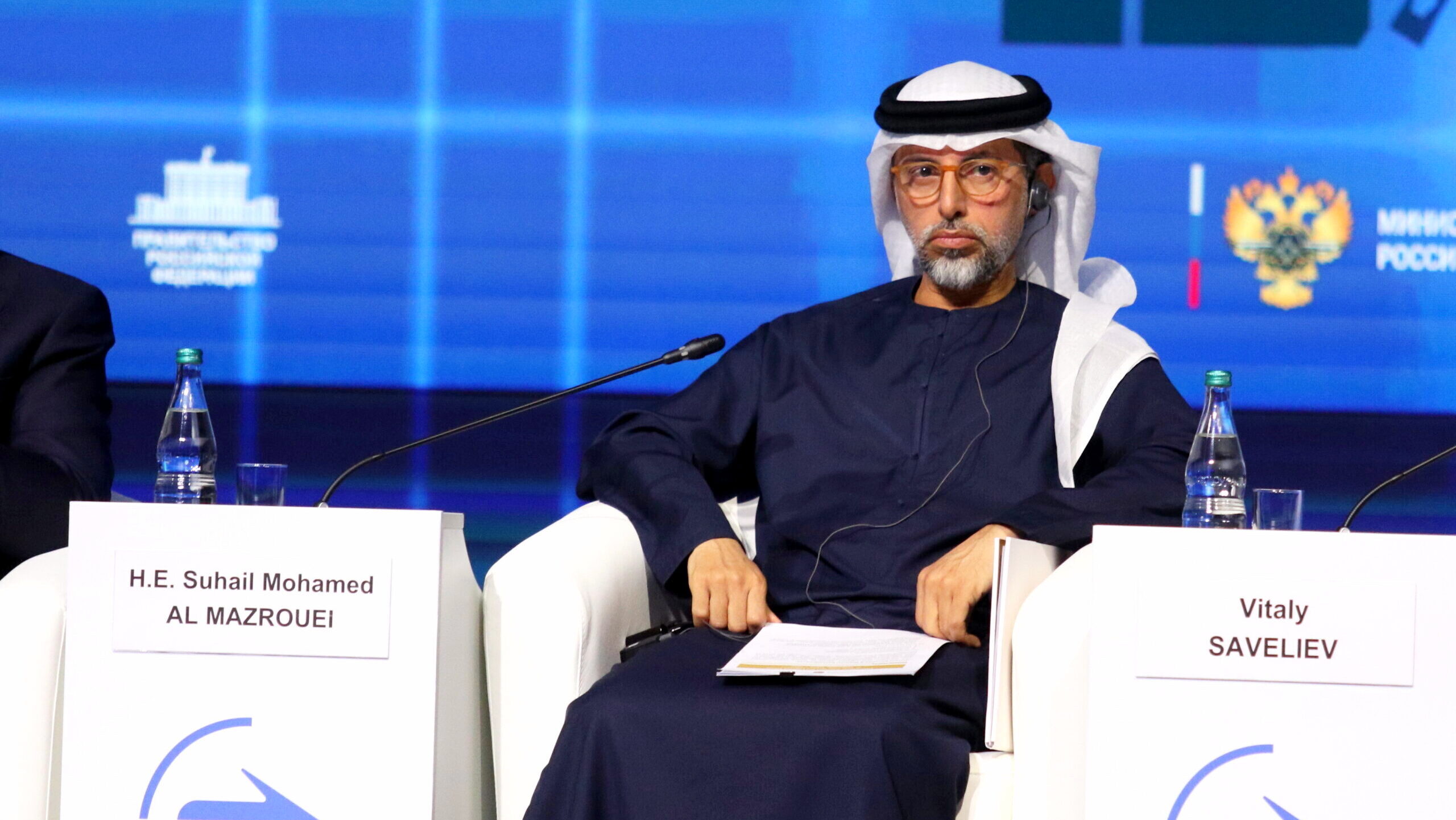
- The country will now pursue a goal of producing 5 million barrels per day by 2027, and will begin developing alternatives to the Strait of Hormuz shipping route. “The world needs more energy, the world needs more resources, and UAE wanted to be unconstrained by any groups,” UAE energy minister Suhail Al Mazrouei told The New York Times.
Get Pumped: What does this mean for oil prices, which have spiked more than 50% since the start of the Iran War? Well, nothing, for now. Traders told Bloomberg that it will take years to patch over the roughly a billion barrels of lost supply so far, regardless of production increases. That’s too long for many companies, which have already been reporting the impacts of the war and subsequent oil shock this earnings season. Honeywell last week said the war has dented its sales, while Sonoco said it pushed up input costs. “Those are the canaries in the coal mine,” Mark Malek, chief investment officer at Siebert Financial, told Bloomberg.