Seemingly Nothing Can Jumpstart The Housing Market
Existing home sales inched up a lower-than-expected 0.2% in April, according to data released Monday by the National Association of Realtors.
Sign up for smart news, insights, and analysis on the biggest financial stories of the day.

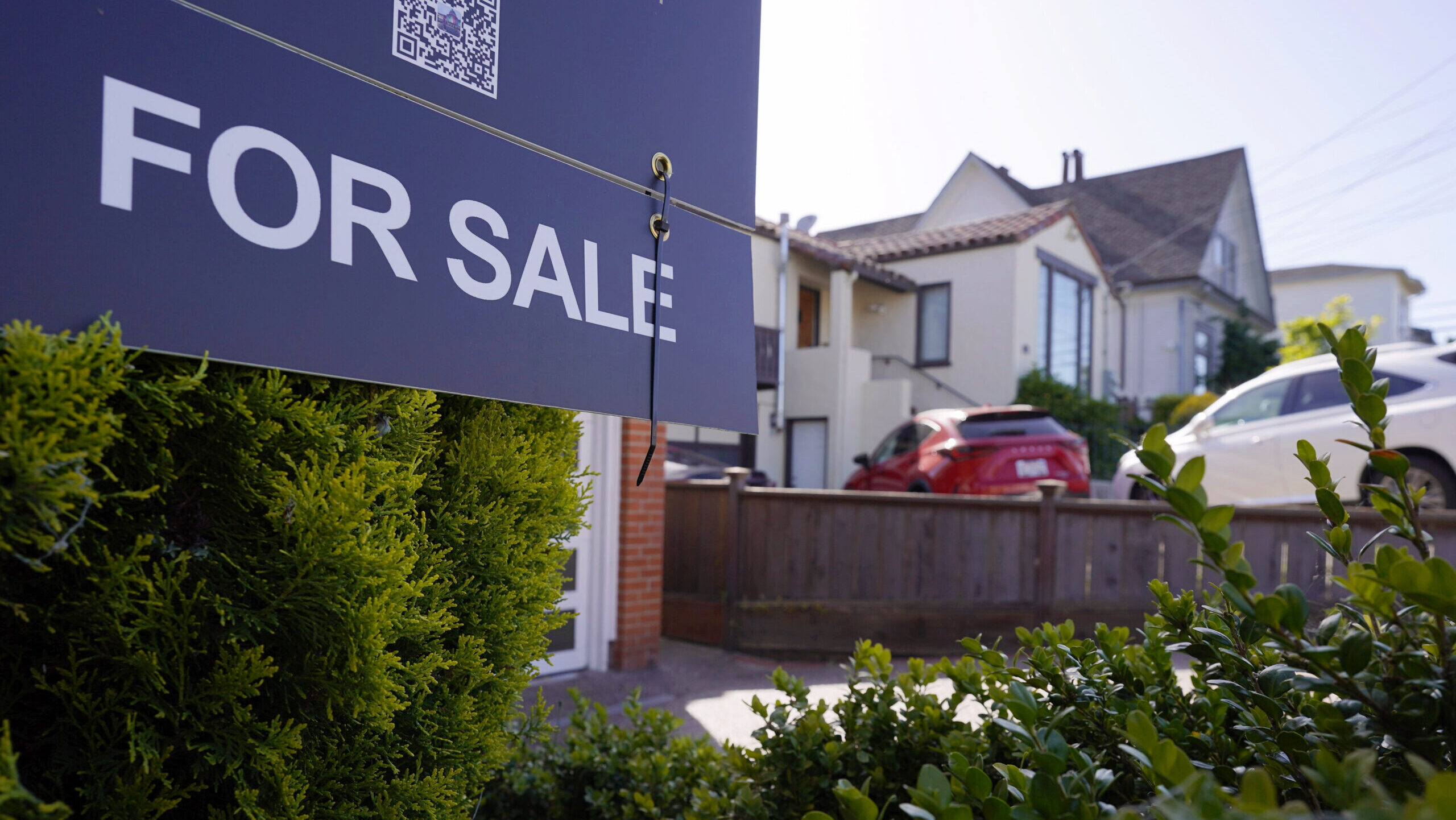
The housing market has been the powder keg that never goes boom.
Existing home sales inched up just 0.2% in April, according to data released Monday by the National Association of Realtors (NAR). The sluggish pace defied consensus economist expectations of a gain of as much as 3%, and puts to rest any notions that the housing market’s three-year-long slumber may finally be over.
Expectations, Meet Realty
There’s a reason experts were primed for an uptick. A RedFin report published late March found that there were 46% more sellers in the market than buyers in February, an imbalance totaling around 630,000. That marked the biggest gap on record going back to 2013, prompting the real estate listings giant to declare “a buyer’s market.” Mortgage rates also fell below 6% in late February for the first time since 2022, further fueling hopes of a spring-time market thaw.
Instead, home sales dropped an adjusted 2.9% year-over-year in March, according to the NAR, and those hopes are starting to look like the market that never was, a dream shattered by the vibecession:
- After falling below the psychologically-important 6% figure, mortgage rates began climbing again due to the oil-price shock effects of the Iran War. Last week, the average rate on a 30-year fixed mortgage climbed to 6.37%, according to Freddie Mac.
- The national median existing-home price also rose in April to $417,700, up 0.9% year-over-year and the highest for any April on record, per the NAR. Consumer sentiment, meanwhile, dropped to the lowest level on records going back 74 years, according to the University of Michigan’s report published last week, which also found that consumers’ perception of their own financial health fell to the lowest level since 2009.
Stock Market: On the other hand, expectations of an uptick may have been a touch detached from the hard data. Housing supply remains relatively constricted; inventory ticked up 5.8% from April to March, to 4.4 months’ worth of housing stock. But anything under six months is considered tight, in the territory of a seller’s market. “We really need to see 30% growth in inventory, but we are not seeing that,” NAR chief economist Lawrence Yun said in a statement Monday. The total inventory of 1.47 million homes remains short of the 1.83 million home inventory in the April before covid.
Recent News
-
Post-Pandemic, ‘Living at the Office’ Takes on New (and Lucrative) Meaning

Photo illustration by Connor Lin / The Daily Upside

-

Photo illustration by Connor Lin / The Daily Upside