

Good morning.
Is it Thanksgiving or Groundhog Day? Despite a major defeat at the Supreme Court earlier this year, President Donald Trump seems determined to restart the global tariff wars. According to multiple reports, his administration will impose new levies on imports from China, the European Union, Japan, Mexico and a dozen other countries in an effort to partially rebuild the wall of taxes on foreign goods that SCOTUS knocked down in February. An announcement could come as soon as this week.
This time around, the administration will take a different legal approach than last year’s “liberation day” by invoking a section of the Trade Act that allows the president to unilaterally place tariffs on imports found to benefit from foreign government subsidies. The new levies will be tailored to each country and honor previously agreed-upon levels in trade deals, meaning the EU, Japan and South Korea will likely face 15% or lower tariffs. It won’t, however, be a case of full déjà vu unless TACO is on the menu along with the turkey this week.
Huang May Be Back, but the AI Crackdown Continues
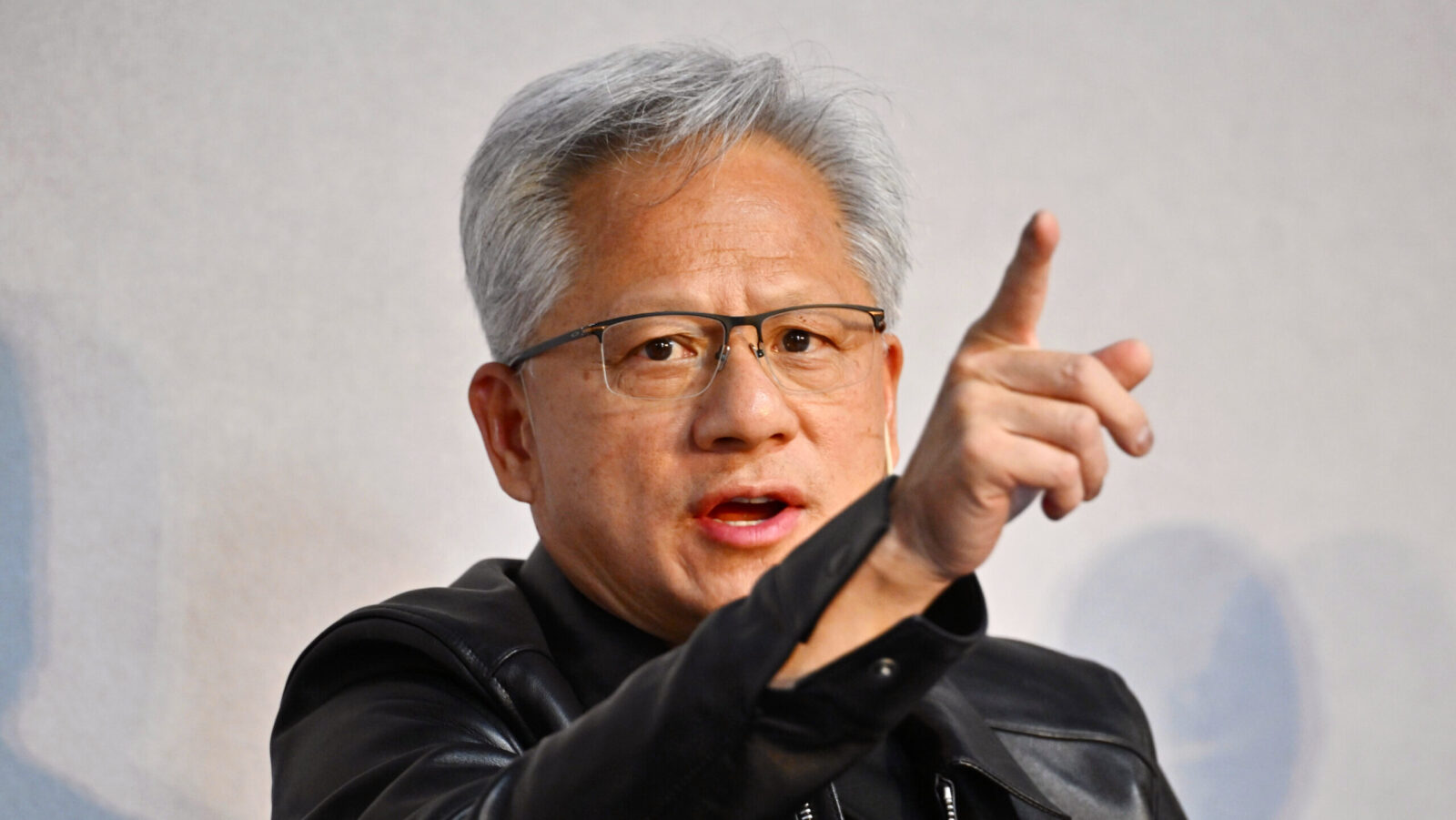
Jensen Huang may be back at the helm of Nvidia, but a US crackdown that had been gathering dust is now back on top of regulators’ pile.
Megaspeed’s getting a big red stop sign in the US after the Commerce Department on Monday added the Singapore-based company at the center of the Nvidia scandal to its trade blacklist, along with six other Southeast Asian companies. Before this, the agency hadn’t expanded its no-sell list since October 2025.
So even though the king has retaken his throne at Nvidia, regulators have already moved in and have plans to remodel the castle.
Pinky-Swear Paper Trails
Social media users on the Chinese platform Weibo welcomed back Huang, who last year visited Beijing — where he took selfies with and autographed leather jackets for his fans. Asian tech stocks surged yesterday, too. But Chinese state media wasn’t as charmed, urging China to “remain vigilant” ahead of future “witch hunts” by US regulators.
The US seems to be making it clear that its crackdown will continue despite Huang’s reinstatement:
- Megaspeed has been on the shortlist for a US ban for months, but the Commerce Department reportedly kept putting it off, like an unfolded pile of laundry. Democrats are probing the Commerce Department’s delay in handling Megaspeed, and on Monday Sen. Maria Cantwell said the investigation should go beyond the cloud firm to the department’s broader handling of export controls.
- Regulators will be looking beyond Megaspeed as investigators question all of Nvidia’s business relationships. But following the paper trails could be tricky, since Huang is famous for handshake deals, like TSMC’s nearly 30-year partnership with Nvidia.
What’s also clear is that Huang will likely start putting new deals down on paper from now on — and he will probably face plenty of questions about the old ones during the Dec. 3 Senate Banking Committee hearing. Though handshake deals are legal and supporters say they help companies move quickly, official contracts could help Nvidia rebuild trust with both regulators and investors.
Building Walls: One possible future Huang has warned of if US-China relations break down could already be coming true, as the world’s second-largest economy looks to domestic tech companies to build homegrown AI. DeepSeek and Huawei are teaming up to create a Chinese alternative to CUDA, the software that acts as a closed ecosystem keeping developers tied to Nvidia’s chips. The move harkens back to the country walling off its internet in the early 2000s. On the other hand, Nvidia’s chips can’t be replaced overnight — or even in six to eight months, according to most experts. That timeline could be stretched further if US curbs dry up China’s advanced-chip imports and the country hits a wall it didn’t build: the compute wall.
Paper or Plastic? Why Stop There?
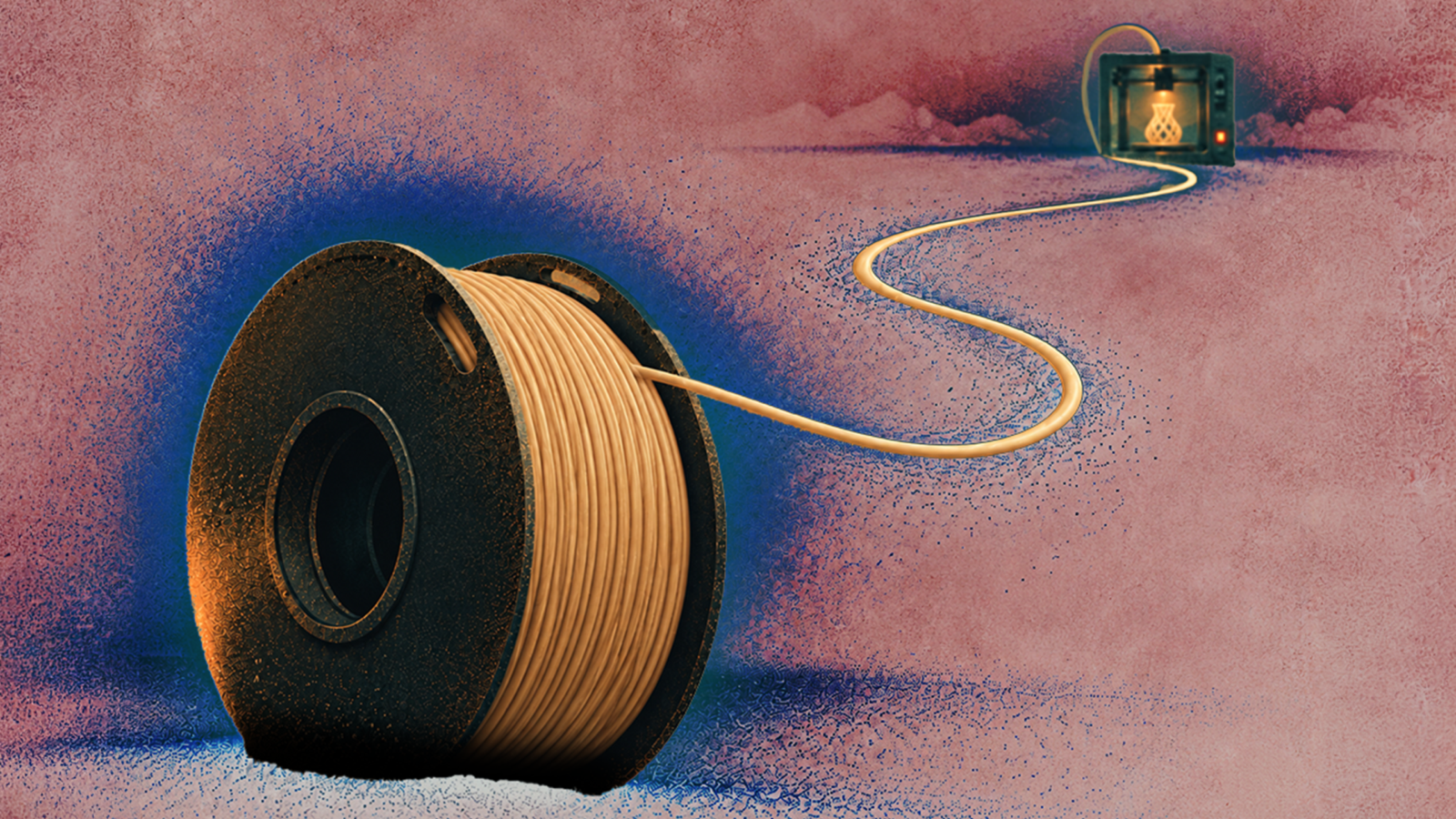
68% of people find inkjet printers useful enough to own one. So what’s holding 3D printers back? Almost nobody finds printed plastic useful. That’s why String Cubed is leaving plastic behind. Their tech could let anyone 3D print food, medicine, and more. Get up to 35% String Cubed bonus shares by 11/28.**
Sanofi Makes Huge Play to Avoid Patent Cliff
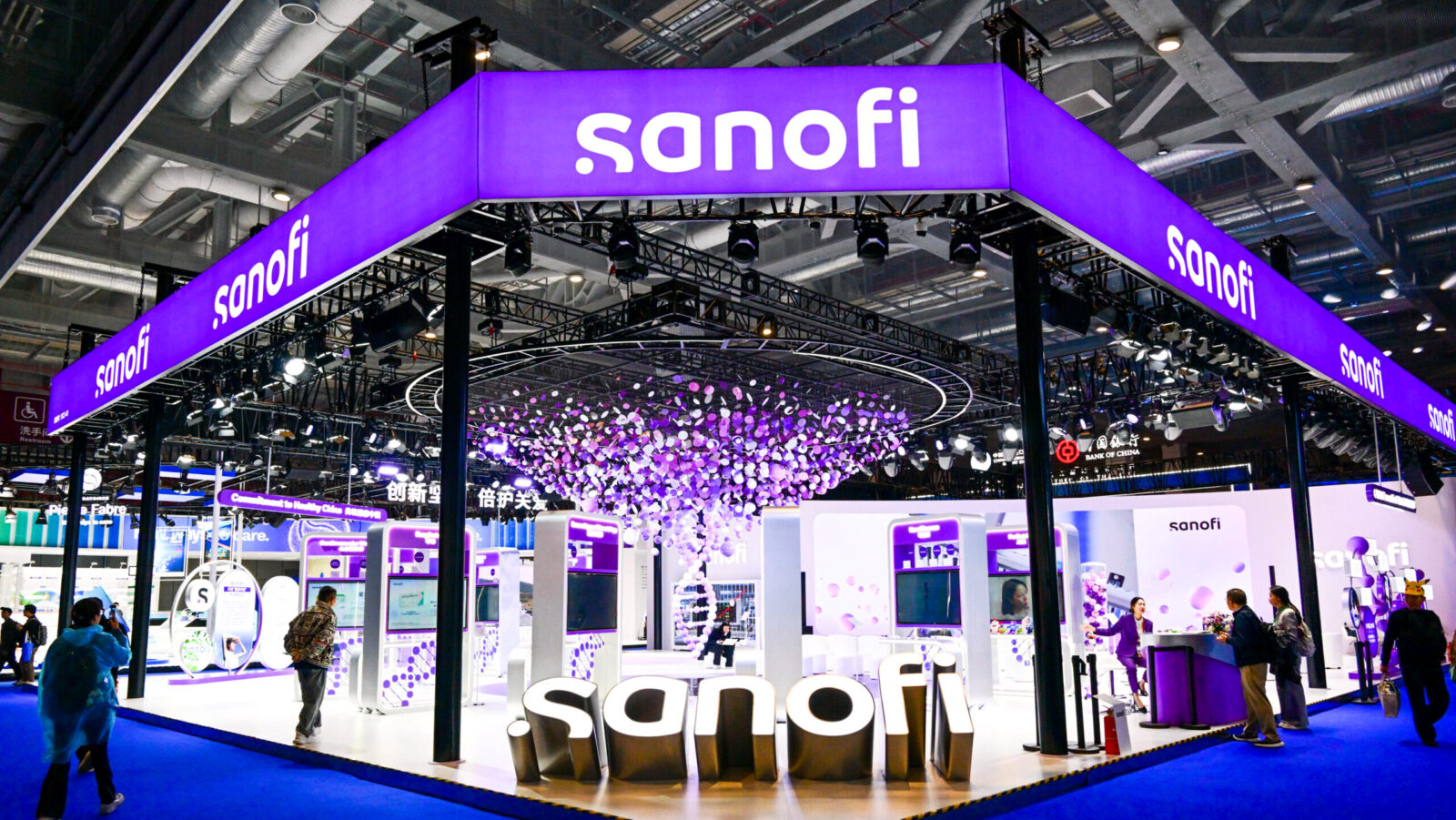
When there’s a gold rush, sell picks and shovels. When there’s a patent cliff, sell bridges … at a very, very large premium.
On Tuesday, French pharma giant Sanofi said it had agreed to acquire respiratory drugmaker Insmed for $41 billion, marking the industry’s largest deal in three years and a remarkable 17.5% premium on Insmed’s market cap as of market close on Monday. It’s a big price to pay, but so is driving straight off a looming patent cliff without a plan.
Out of Breath
When Sanofi CEO Belen Garijo took the company’s top job in May, she had one mandate: triage its drug pipeline and offerings by any means necessary. It was an urgent mission for two reasons. First: Sanofi’s blockbuster drug Dupixent, which treats everything from eczema to asthma, will see its primary US compound patent expire in 2031; the drug generated €5.7 billion for the company in its most recent quarter, accounting for roughly 40% of Sanofi’s entire revenue. Second: Garijo’s predecessor had just spent much of the prior six years pouring resources into expensive R&D to try and develop a suitable successor in-house and ended with little to show for it, leading to his eventual ouster.
That left M&A as the company’s best chance at a bridge to a post-Dupixent future. “[T]here isn’t really time to do an R&D turnaround and hope for the best,” Jefferies analysts wrote in a note to clients at the time of the CEO changeover earlier this year. With Insmed, Sanofi gets a basket of both proven products and intriguing drug candidates:
- Brinsupri and Arikayce, Insmed’s respiratory drugs already on the market, are forecasted to generate combined annual revenue of around $8.1 billion by 2035 and $10 billion by 2040, Sanofi said in a statement.
- Insmed also has an experimental treprostinil palmitil inhalation powder (TPIP) drug in phase 3 clinical trials, plus a handful of other candidates in earlier stages of developments.
“The deal does not fix Sanofi’s R&D/pipeline questions, but it buys time,” Jefferies analysts wrote in a note to clients on Tuesday.
Buy or Die: The acquisition adds to what has already been a massive year for pharma M&A as many major industry players grapple with a patent cliff of their own. Through the first three quarters, the industry tallied 113 deals worth nearly $140 billion, according to a recent JPMorgan report. That surpasses the $122 billion total recorded across all of last year.