Huang May Be Back, but the AI Crackdown Continues
The king has retaken his throne at Nvidia, but regulators have already moved in and have plans to remodel the castle.
Sign up for smart news, insights, and analysis on the biggest financial stories of the day.

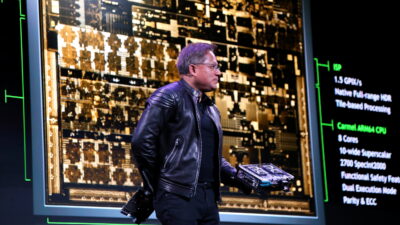
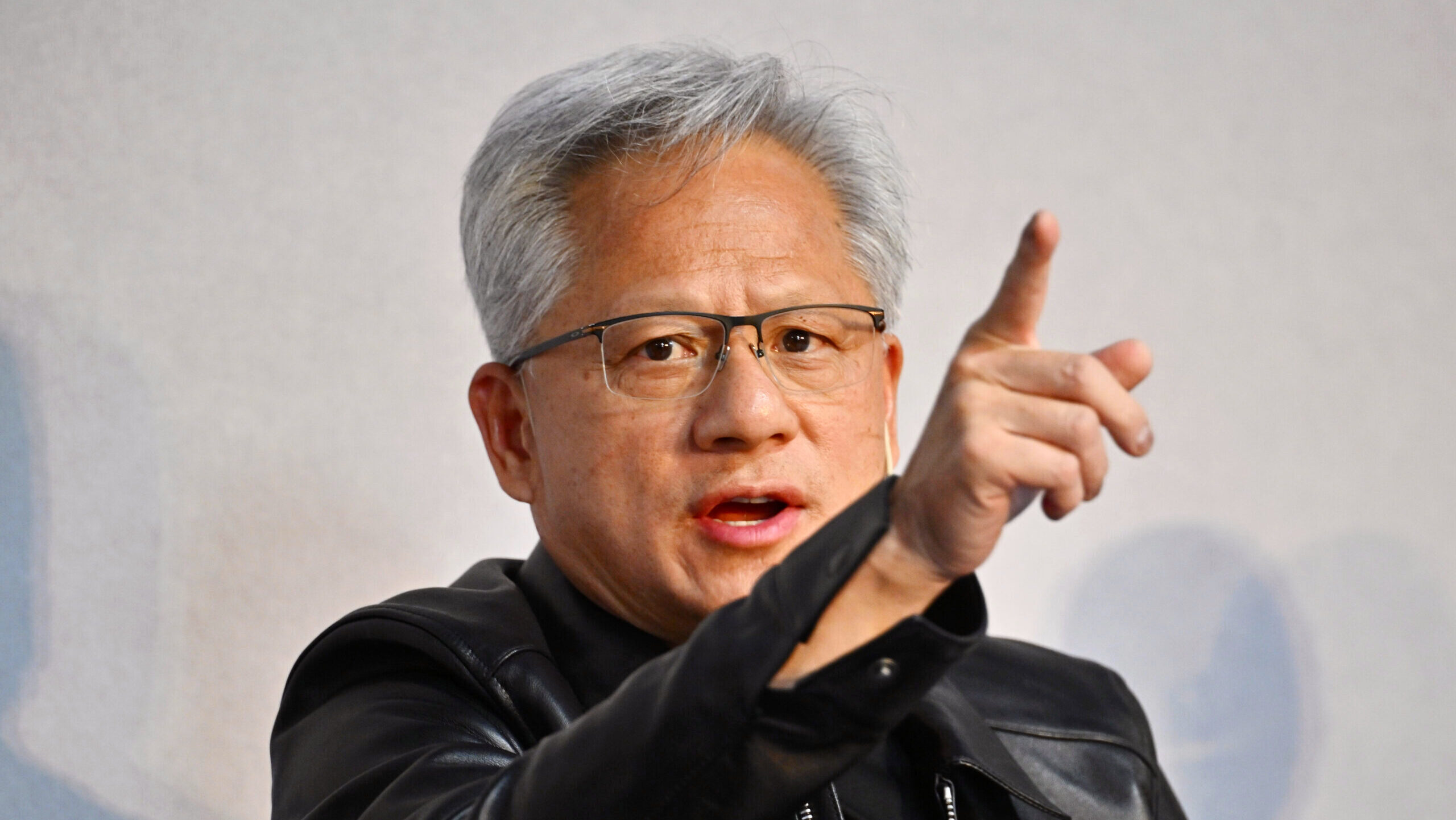
Jensen Huang may be back at the helm of Nvidia, but a US crackdown that had been gathering dust is now back on top of regulators’ pile.
Megaspeed’s getting a big red stop sign in the US after the Commerce Department on Monday added the Singapore-based company at the center of the Nvidia scandal to its trade blacklist, along with six other Southeast Asian companies. Before this, the agency hadn’t expanded its no-sell list since October 2025.
So even though the king has retaken his throne at Nvidia, regulators have already moved in and have plans to remodel the castle.
Pinky-Swear Paper Trails
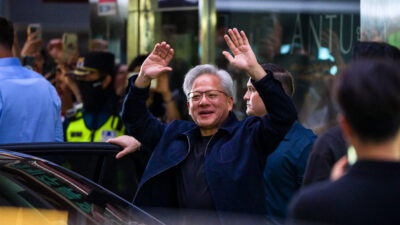
Social media users on the Chinese platform Weibo welcomed back Huang, who last year visited Beijing — where he took selfies with and autographed leather jackets for his fans. Asian tech stocks surged yesterday, too. But Chinese state media wasn’t as charmed, urging China to “remain vigilant” ahead of future “witch hunts” by US regulators.
The US seems to be making it clear that its crackdown will continue despite Huang’s reinstatement:
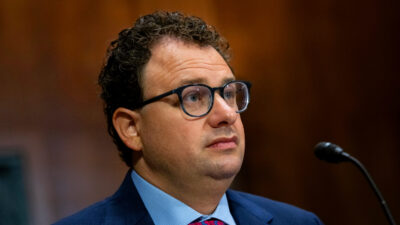
- Megaspeed has been on the shortlist for a US ban for months, but the Commerce Department reportedly kept putting it off, like an unfolded pile of laundry. Democrats are probing the Commerce Department’s delay in handling Megaspeed, and on Monday Sen. Maria Cantwell said the investigation should go beyond the cloud firm to the department’s broader handling of export controls.
- Regulators will be looking beyond Megaspeed as investigators question all of Nvidia’s business relationships. But following the paper trails could be tricky, since Huang is famous for handshake deals, like TSMC’s nearly 30-year partnership with Nvidia.
What’s also clear is that Huang will likely start putting new deals down on paper from now on — and he will probably face plenty of questions about the old ones during the Dec. 3 Senate Banking Committee hearing. Though handshake deals are legal and supporters say they help companies move quickly, official contracts could help Nvidia rebuild trust with both regulators and investors.
Building Walls: One possible future Huang has warned of if US-China relations break down could already be coming true, as the world’s second-largest economy looks to domestic tech companies to build homegrown AI. DeepSeek and Huawei are teaming up to create a Chinese alternative to CUDA, the software that acts as a closed ecosystem keeping developers tied to Nvidia’s chips. The move harkens back to the country walling off its internet in the early 2000s. On the other hand, Nvidia’s chips can’t be replaced overnight — or even in six to eight months, according to most experts. That timeline could be stretched further if US curbs dry up China’s advanced-chip imports and the country hits a wall it didn’t build: the compute wall.