Why Anthropic Wins From Tighter Chip Export Controls
A recently published research report shows that that Chinese models were trained on export-controlled Nvidia Blackwell chips

Sign up for smart news, insights, and analysis on the biggest financial stories of the day.

Nvidia’s crisis may just be a big boon for Anthropic.
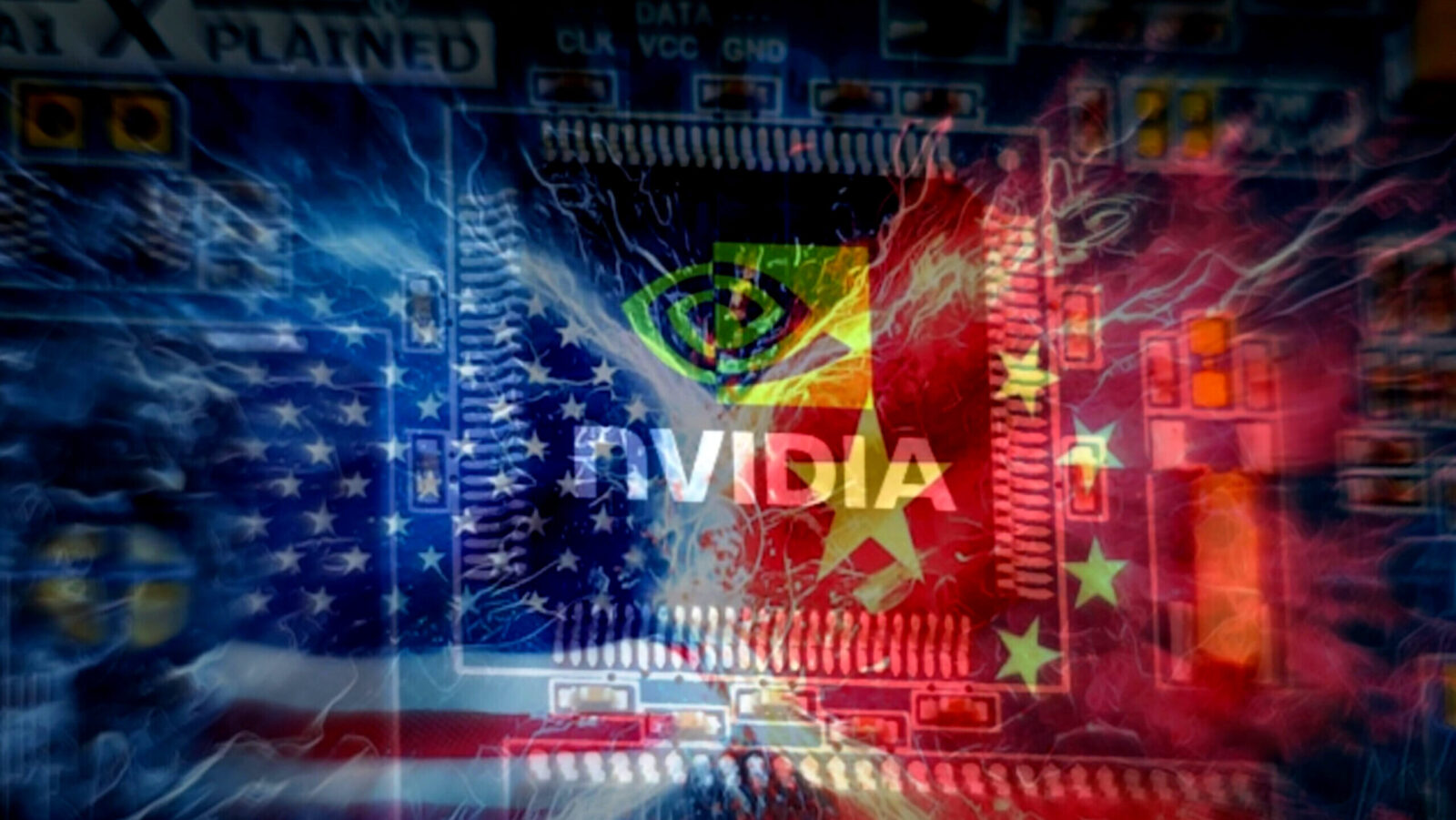
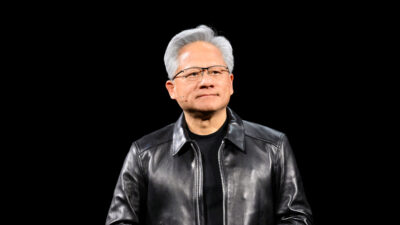
After Jensen Huang’s affair to remember revealed massive loopholes in export controls, lawmakers in DC began working to cut off China from accessing America’s most-powerful AI chips, possibly strangling the country’s AI industry in the process. That’s possibly bigger news even than the upward to hundred billion dollars the Claude-maker is expected to raise in its all-important IPO today.
Blocking the Moonshot
In fact, the competitive threat of cheap, often Chinese-made, open-source and open-weight AI models may be the thing that keeps Dario Amodei up at night (ok, that and the nonzero chance of apocalyptic misalignment). In its S-1 filing, Anthropic listed intense competition as a key risk, writing “open-weight or open-source AI models may capture a portion of the market for certain use cases, which could exert pricing pressure on our offerings or lead certain customers to adopt open-source alternatives for those use cases.”
It’s not exactly a hypothetical. Even as Anthropic slashes the token prices for its powerful models, enterprise firms have increasingly opted for cheaper open-source rivals. Open-weight models processed 75% of all tokens the week of Nov. 9, according to OpenRouter’s tracker, essentially flipping the open vs closed market share from a year ago on its head. Chinese models from the likes of Moonshot, DeepSeek and Tencent are soaking up much of that usage.
Still, models are only as useful as they are powerful, and Chinese firms may soon be on the receiving end of a devastating one-two punch to their model’s relative capabilities:
- First: Chinese models are largely trained via a process called “distillation,” aka the reverse-engineering of top-flight closed models from the likes of Anthropic and OpenAI. Last month, Anthropic said it banned thousands of accounts linked to Chinese distillation campaigns, while adding new roadblocks within its models that make distillation far more difficult; OpenAI has made similar moves.
- Second: Even training models via distillation requires top-flight American chips (in fact, an analysis published last week by research firm Unemployment Labs confirmed a US intelligence report from earlier this year that Chinese models were trained on export-controlled Nvidia Blackwell chips). New efforts to tighten export controls and close the remote-access loophole could stifle further model development.
Badge of Shame: Both moves, theoretically, would bolster Anthropic’s position as the model-maker to beat. And if that doesn’t slow the tide of Chinese AI, DC lawmakers may just have another trick up their sleeve. On Wednesday, Reuters reported that the White House is considering a rule that would require US firms to disclose usage of Chinese AI models. Because when all else fails, there is always good old-fashioned shaming.