
Good morning.
The rocket boosters aren’t the only thing that have liftoff. SpaceX reported a top and bottom line beat on Tuesday as a $4.4 billion third-quarter profit and a more-than-doubling of revenue to $14.6 billion blasted through expectations.
CEO Elon Musk, who also leads SpaceX’s $1.5 trillion sister company Tesla, said the two firms have formed committees to discuss a merger, creating more synergies and profits, or at least that’s the theory. The former trillionaire was careful to note they haven’t reached an agreement and may never do so. “I do think there is a lot of merit in combining the companies,” he told an earnings call. For example, they might be able to invent a flying car, which would be more practical than one that briefly jumps using compressed-air pressure during a livestreamed demo to the soundtrack of generic techno beats.
Another Neocloud Meltdown Means Little to Big Tech’s Big Plans
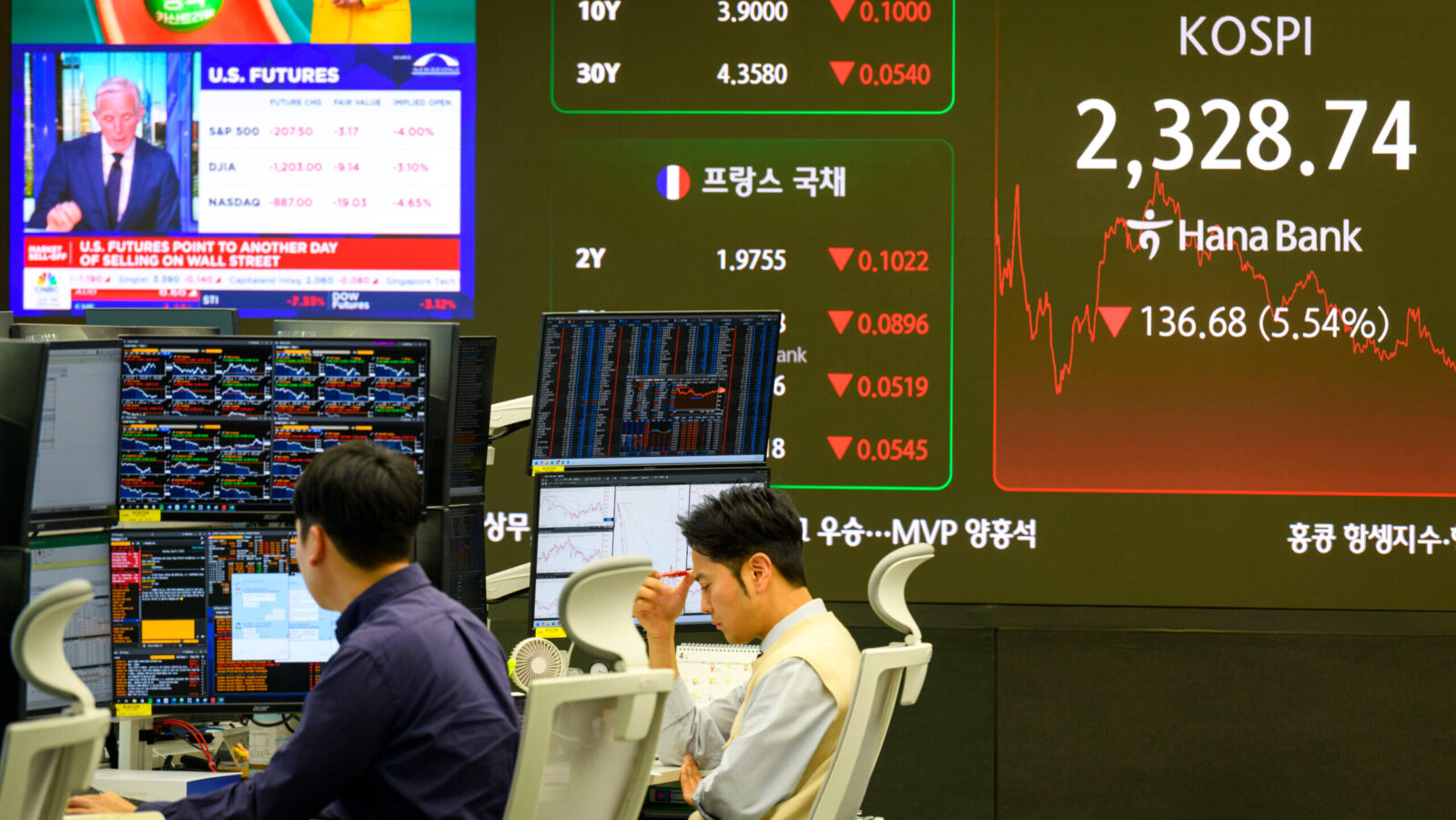
The “CoreWeave of Korea” may just be the latest canary in the AI coal mine, though US hyperscalers are still mining and breathing easy.
Shares of South Korean “neocloud” data center builder Elice plummeted more than 30% following its debut on the KOSDAQ exchange on Tuesday, another flashing red sign that investors are skeptical of AI-adjacent businesses squeezed between steep financing costs and slowing model revenue growth. On the other hand, seemingly nothing can stop hyperscalers’ data center buildout, except maybe access to energy.
Not a Neocloud in the Sky
Elice’s nosedive adds to neocloud woes and marks the perfect case study for others tiptoeing into the public market. Nvidia-backed Australian neocloud company Firmus aborted its IPO plans earlier this month amid skepticism over its $30 billion valuation (the abrupt cancellation has since drawn the attention of local regulators). Meanwhile, the similarly Nvidia-backed English neocloud company Nscale is now facing investor pushback to its own planned IPO valuation of $30 billion, Bloomberg reported on Tuesday.
The widespread neocloud wobble is hardly a surprise; providers of surplus compute have long been viewed by investors as the most vulnerable players in the AI ecosystem. “Everyone in the AI race is running for a last-man standing position,” John Lovelock, chief forecaster at Gartner, told CNBC earlier this week. “Pretty much every market that Gartner is tracking in our AI race is likely to collapse down to a duopoly.” The research firm had previously projected that 80% of independent neoclouds will be forced to cease operations by the end of the decade, thanks to an expected roughly $5 trillion gap between AI buildout expenses and AI revenue. The big league players, meanwhile, are still full steam ahead. New non-China data center capacity is expected to reach 51 gigawatts in 2027, according to new Semianalysis data, with three-quarters of projects already under construction. That’s roughly double the capacity expected to be added this year, with most coming from hyperscalers, who are more constrained by physical realities than compute crunches these days. Consider, for instance, Amazon:
- The e-commerce-turned-cloud-computing giant now has billions of dollars worth of Nvidia GPUs stored in intermediary warehouses as power supply constraints and other physical bottlenecks limit its ability to expand its data center footprint, sources told Business Insider in a story published Monday.
- In related news, Amazon on Monday announced a deal with industrial 3M that could see it spending as much as $6 billion on server connectors and other data center products.
Liftoff: Still, at least one company is finding success as an AI compute provider. In its second earnings report ever as a publicly traded company, SpaceX on Tuesday said revenue from its AI unit had increased ninefold year over year in the quarter to $7.6 billion, which came mostly from renting out compute capacity to Anthropic, Google and others. That helped the company, worth some $2 trillion, score its first ever quarterly profit of $4.4 billion.
September Data and Goldman Sachs Point to a Bleak 2027 for Housing Market
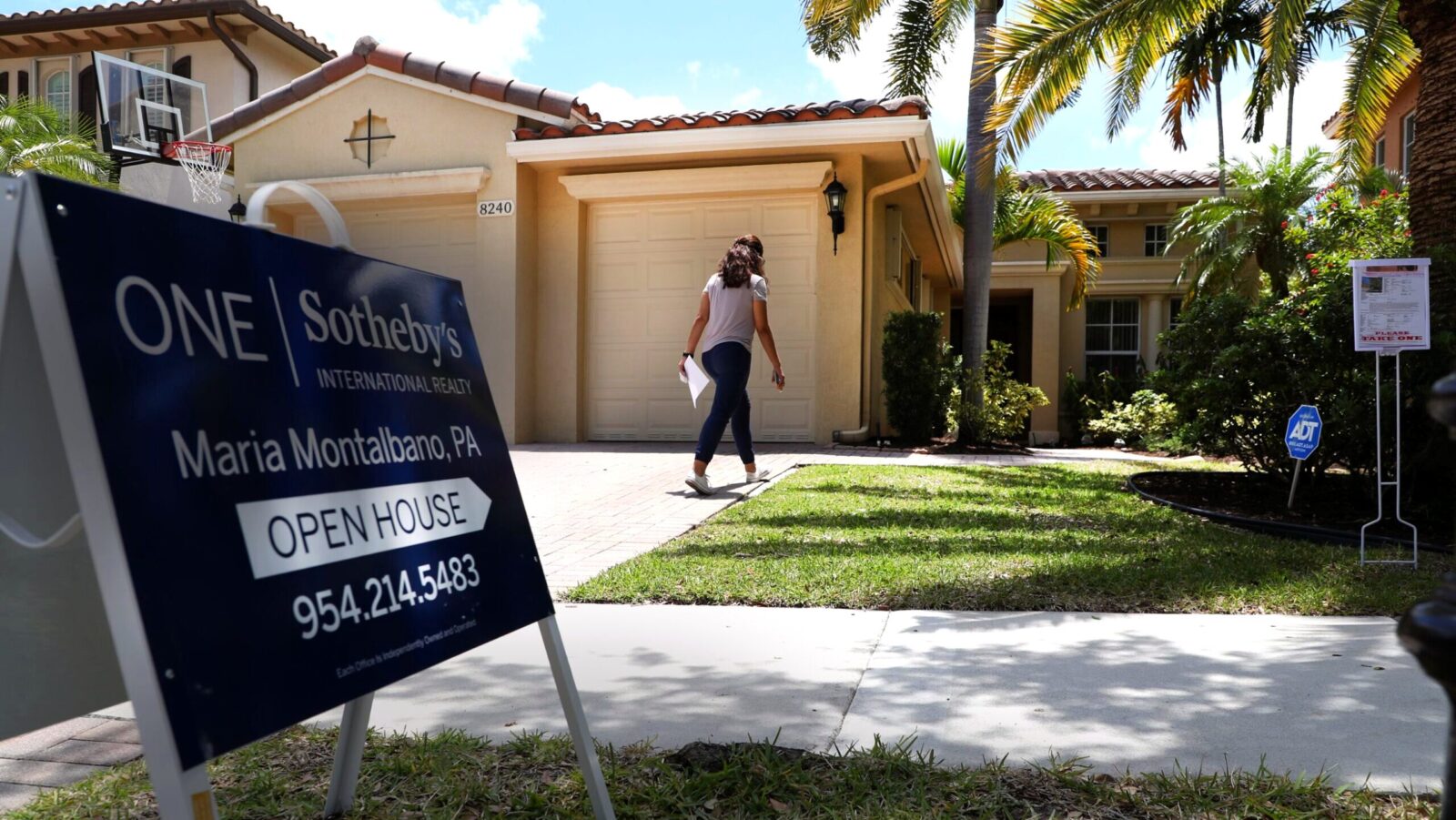
There’s no place like home. And there’s no one who can afford to buy one right now.
Data released Tuesday signal that the frozen housing market is in Antarctica territory as mortgage rates north of 7% keep buyers on the sidelines. Pending home sales fell 7.3% in September and 11.3% year over year to a record low, according to the National Association of Realtors. Meanwhile, housing starts, which measure how many new residential constructions have broken ground, fell 5.2% in September and 7.4% year over year, according to the Census Bureau. The figure, which was lower than economists were expecting and brings housing starts to one of their lowest paces since 2020, comes just days after the National Association of Home Builders reported that homebuilders’ confidence in the market has plunged to a 14-year low.
New Year, Old Problems
New year, new housing market? Goldman Sachs doesn’t think so. In a note published Monday, economist Ronnie Walker said that next year the firm expects the headwind from affordability reignited by rising mortgage rates to keep weighing on housing market activity:
- “Sustained higher mortgage rates will continue to have their most pronounced impact on housing turnover, and the recent run-up in rates is likely to push existing home sales lower in the coming months,” Walker said. He added that more than 95% of mortgage borrowers have interest rates below current market rates, and 65% have rates that are two percentage points below market rates. In other words, they’re not likely to move any time soon.
- Come 2027, Walker estimates existing home sales of just 3.9 million, which is 26% below pre-pandemic levels.
Homebuilder Blues: Redfin recently reported that 22% of home sellers with active listings are dropping prices, which is a record high. While homeowners being more motivated to sell could be good news for buyers, it’s causing problems for builders, who are already seeing their profit margins shrink as a result of their price cuts and incentives. Builders like Lennar and KB Home now say they’re facing increased competition from the existing housing market.
The AI Playbook That Cuts Your Workday in Half
The 8-hour workday is becoming a 4-hour workday for people who use AI well. Everyone else is catching up. Join Superhuman AI for 50+ step-by-step tutorials used by 1M+ pros at Google, Microsoft, and NASA, plus a 4-minute daily newsletter to keep you ahead. Claim your AI playbook.