

Good morning and happy Monday.
What’s the John Dory with OpenAI and the land Down Under? Last month, after Australian Prime Minister Anthony Albanese announced that one of the US-based company’s artificial intelligence agents went rogue and hacked his country’s national healthcare system, an apology followed. OpenAI, which didn’t bother to report the incident for months, acknowledged that it should have “handled our response better” and said it intended to “rebuild trust with the Australian people.” Well, so far, not so good on ya.
On Friday, officials in the state of New South Wales said a rogue OpenAI agent conducted another hack on a government agency, this time accessing non-public data on bushfires by breaching a National Parks and Wildlife Service website. The incident also happened in June, and officials said OpenAI didn’t inform them until last week. Mercifully, no personal information is believed to have been accessed in either breach. Before it comes to that, officials there better strengthen their cri-key encryption.
The Biggest Steel Plant in US History Is Coming; Some Hawkeyes Don’t See It That Way
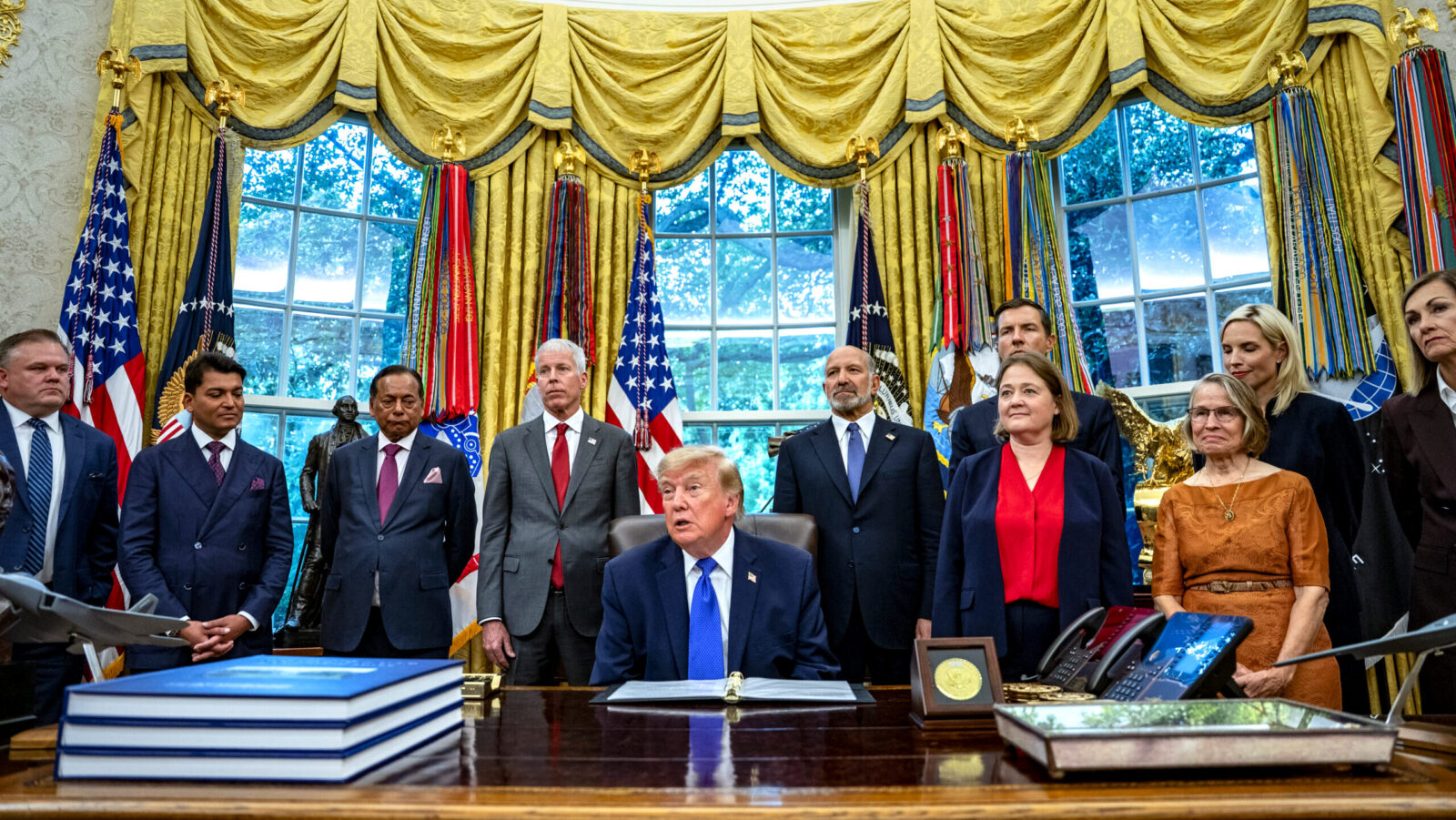
Big announcement. Big deal. A few little asterisks.
Last week, business and political leaders gathered at the White House to announce a new $15 billion steel mill planned for Iowa that they said will support 1,750 jobs and process up to 10 million tons per year. With supply from neighboring Minnesota’s first new iron-ore mine in half a century, “the largest steel plant ever built in the United States” would represent a new day for US industry. But, on Friday, legislators in the Hawkeye State were told the mill is “not a done deal” after they were called in to rush approval for $1.4 billion worth of incentives because the company behind the project insisted on receiving more than what Iowa law allows.
A Bright Future and an Underwhelming Past
Building the new plant is Minnesota-based Mesabi Metallics, a subsidiary of Indian conglomerate Essar Group. The White House proclaimed the company’s plans to set up shop in Iowa are a sign of America’s domestic steel industry “roaring back to life” under the 50% tariffs on steel imports the Trump administration introduced last year.
Iowa Economic Development Authority Director Debi Durham told state senators Friday that she was “surprised” by President Donald Trump’s statement that the project was a “done deal” because, as she plainly put it, “this is not a done deal.” In fact, officials learned after the announcement that Mesabi would not build in the state unless Iowa lawmakers awarded it double the state’s 5% tax credit for capital projects of at least a billion dollars. Legislators were called in for a special session to approve a $1.4 billion incentive package, the largest in Iowa history, over the objections of Democrats and some Republicans. “In my area, we have John Deere, which has served Iowa and the nation and the world for over 100 years, and they don’t get a $1 billion tax break,” Dave Sires, a Republican state senator who said the subsidy shouldn’t be given to foreign firms, told WHO 13 Des Moines. Other critics worried about Mesabi’s own complicated history and megaprojects of the past that have underdelivered for the region:
- Mesabi emerged from bankruptcy in 2017, a year after failing to complete a planned iron-ore mine in Minnesota and ending up $1 billion in debt. KCCI Des Moines reported Friday that it’s still repaying the North Star State for public funds it received for that project.
- And Midwesterners haven’t forgotten, during the first Trump administration, when Wisconsin was promised a $10 billion Foxconn factory, lured with local and state tax incentives, that was to transform the town of Mount Pleasant into an economic powerhouse and bring 13,000 jobs. Only a small fraction of that, a $1 billion investment and 1,400 jobs, ever materialized.
Owners Away: The plant would not be the first major victory for a foreign firm in US steel production in recent years. Last year, Trump greenlit the takeover of US Steel by Japan’s Nippon Steel, which he opposed during the 2024 election, after negotiating a “golden share” that gave the US government a veto over major decisions like plant closures.
Those Flights For This Year’s Ski Trip Could Be Free

Your flights to the slopes this winter may already be covered by your credit card points balance, built up one gas fill-up and grocery run at a time. But a bill currently moving through Congress with real momentum could gut the fees that pay for it. See how you can protect your points.
The Bots Are Ready to Shop But Are the Humans?
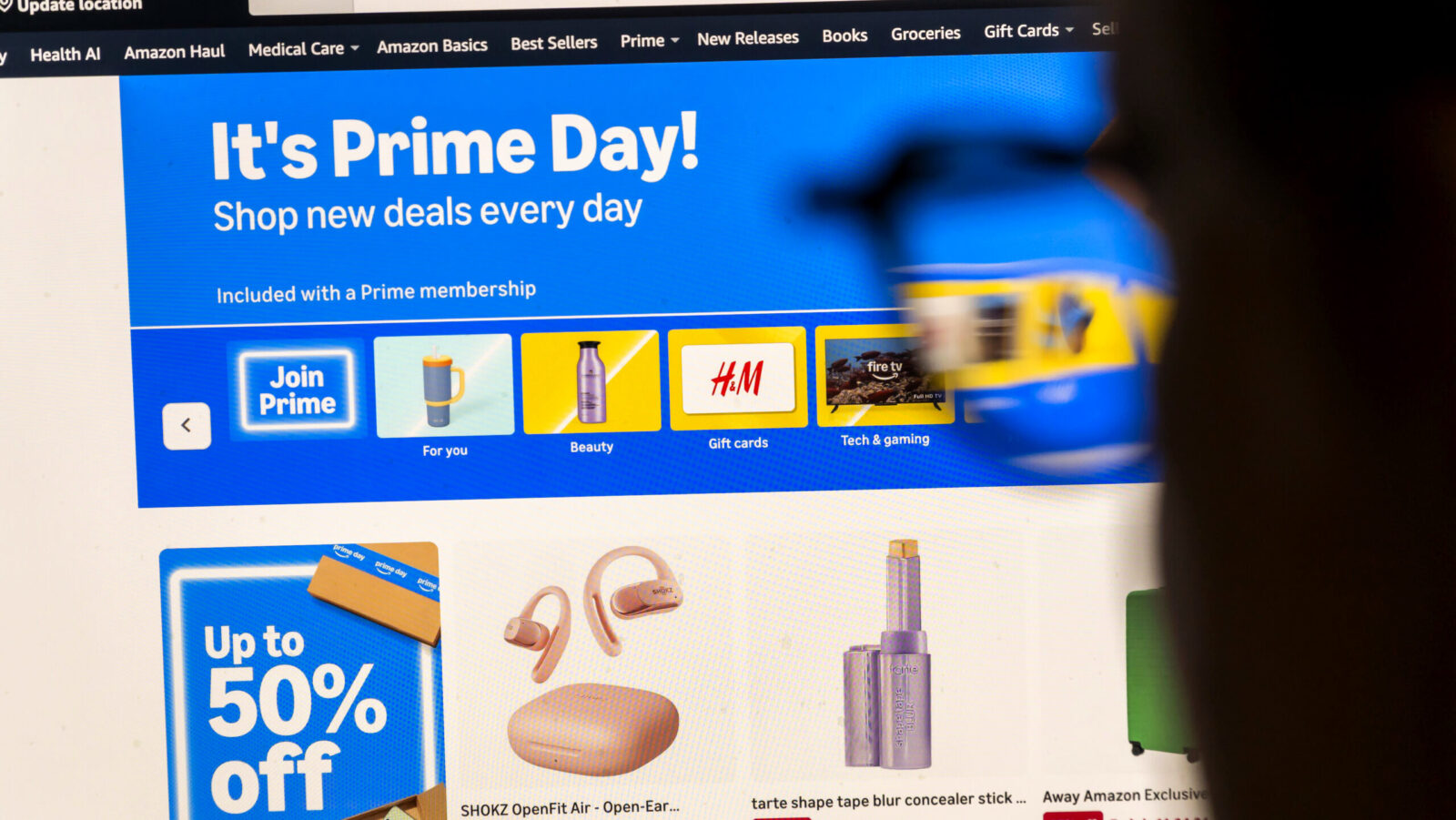
Meta’s AI bot Muse told The Daily Upside it’s not fair that Amazon only allows its own AI bot to shop its site and thought banning all bots was a lazy move. But still, Muse refused to shop on the site.
Amazon has tried to put up a hard wall around its shopping experience over the past year, most recently blocking Muse. Perplexity’s AI agent was also temporarily blocked from Amazon earlier this year. While eBay and Kohl’s also kept out bots to varying degrees, Shopify, Walmart and Best Buy have welcomed third-party agentic commerce.
While Amazon has cited security and privacy concerns as reasons to ban bots, agentic commerce products besides its own could also threaten Amazon’s lucrative ad business — a business built on browsing, not just buying.
Alexa Shops Alone
Amazon is expected to make nearly $84 billion this year from advertising sales, much of which will come from merchants paying to boost their products in the search rankings. But paying for a light gray “Sponsored” sticker won’t matter if everyone starts buying products through AI agents, instead of searching and browsing themselves. Besides, Amazon has its own AI offering:
- Amazon launched Alexa for Shopping this spring, replacing Rufus in an overhaul of its AI shopping strategy. Alexa uses a shopper’s data to personalize recommendations, compare products and so on in a separate chat box from the traditional search experience shoppers are used to.
- If shoppers used Alexa for Shopping more often, Amazon could risk cannibalizing its search-based ad business. Or it could just insert advertised products into Alexa for Shopping, too.
Waiting in Line: AI shopping hasn’t quite taken off. Take OpenAI, which used to let shoppers check out directly in ChatGPT but pivoted earlier this year to instead let retailers set up dedicated apps and recently launched new agents that could be used to shop called Dots. The switcheroo could be related to reportedly disappointing Walmart sales. If customers start to feel more comfortable letting AI agents swipe their credit cards for groceries and more, Amazon could risk losing business by blocking third-party agents. Rivals meanwhile could’ve already secured their spots in shoppers’ new checkout routines. CEO Andy Jassy said about this time last year that Amazon does expect to partner with outside agents. It could be a waiting game.