

Good morning.
And now, some current affairs. A group led by MIT engineering professor Giovanni Traverso developed tiny batteries from materials safe for human consumption that could power ingestible electronic devices. They even tried them out in pigs, whose gastrointestinal tracts are similar to those of people. In a paper published in peer-reviewed journal Nature Chemical Engineering on Monday, the researchers said the 1.8-volt batteries, once safely ensconced in a swine belly, were able to “generate continuous electrical stimulation for up to three days.”
The researchers were able to use them to power a radio frequency tag capable of transmitting from the stomach and a capsule that stimulates the production of the hunger hormone ghrelin. Possible future uses include powering ingestible capsules that deliver drug treatments. Held together by beeswax, the batteries are made from magnesium and molybdenum trioxide, metals that can be broken down and absorbed by the body. Prototypes for humans are in development and Traverso’s team expects clinical trials to begin in two years. Coming soon to a breakfast table near you: Honey Bunches of Electric Cells.
Meta’s Muse Inspires Double-Digit Rally for CPU Stocks
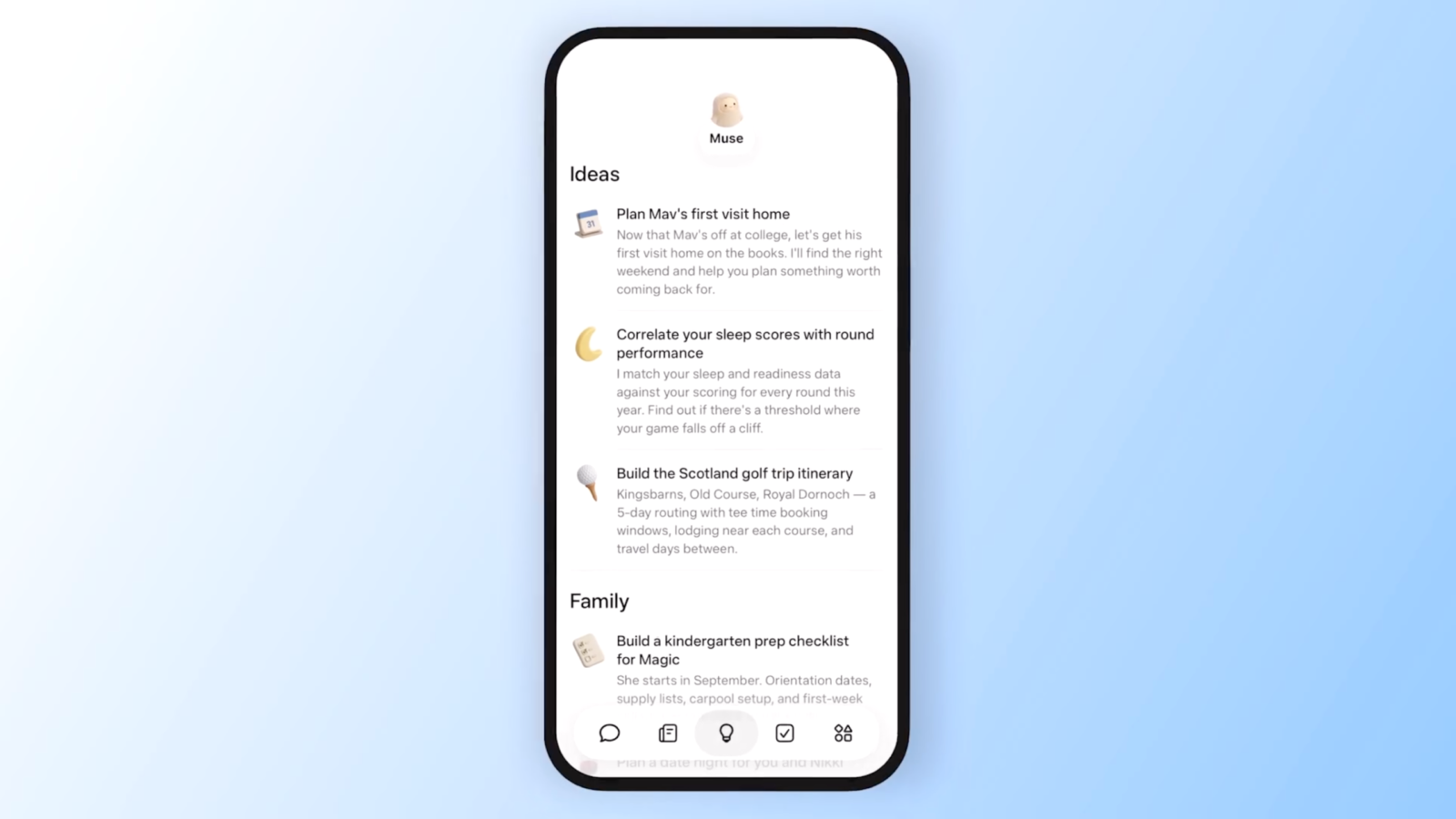
On Amazon, the world’s largest online store, you’re encouraged to shop until you drop. Unless the platform drops the hammer on you and your AI bot for allegedly violating its terms and conditions. The ecommerce giant abruptly blocked Meta’s new personal artificial intelligence agent from shopping on its marketplace on Sunday, and claimed Monday that Muse AI was collecting customer credentials and failing to identify itself (which Meta denies).
It’s probably just a temporary setback for Muse, which investors believe heralds a boom in the AI supply chain. Since its launch on September 8, the free personal agent has won both plaudits and downloads, offering some vindication for Meta, a hyperscaler that seemed all but irrelevant in the frontier model race.
Nothing Compares 2 CPU
Chatbots are built on large language models that let people query them for text-based responses, which range from bang-on to Woodstock-level hallucination. As a personal AI agent, Meta’s Muse fills a different niche.
AI agents perform continuous activities, often in the background, on behalf of a user: filling out forms, researching travel or shopping. The appeal is straightforward. Who doesn’t like having things done for them? The caveat is you’re handing access to your email, bank accounts, credit card and personal passwords to the newfangled technology.
Regardless, expectations are mountain-sized. During last year’s holiday shopping season alone, traffic from AI sources to retail sites rose nearly 700% year over year, according to Adobe. Precedence Research estimates the global AI agent market could grow from $8 billion last year to $236 billion by 2034. Meta’s betting big on this, having launched a nationwide TV spot for Muse over the weekend.
AI agents could also light a fire under a handful of AI infrastructure providers. LLMs require Graphics Processing Units (GPUs) for heavy training. That’s why $5.4 trillion Nvidia, the king of the GPU, has become the world’s most valuable company. But personal agents, because they perform continuous actions, are often better suited to Central Processing Units (CPUs) that can handle repetitive, sequential logic. Investors made clear they expect a CPU rally:
- Shares in UK semiconductor Arm Holdings, which struck a partnership with Meta earlier this year to codevelop CPUs for the social media giant’s data centers, rose 17% on Monday. Intel, whose CEO said last week that demand for CPUs is so strong it can only supply half of what customers want, jumped 12%.
- Advanced Micro Devices, another major CPU designer, surged 10%. Meta shares, it should be said, climbed 11%, and Muse was the top downloaded mobile app in the US.
Law & Order History: Amazon is serious about preventing shopping on its marketplace by automated tools from other companies, though the results of its efforts have been mixed. In August, a US appeals court overturned a temporary ruling that blocked AI firm Perplexity’s shopping agents; Amazon filed an amended complaint on Monday.
The Brains Behind Colombia’s Iconic Coffee

Two Wall Street entrepreneurs came to Colombia and discovered a coffee sector suffering from a broken supply chain.
So they built Green Coffee Company (GCC), Colombia’s #1 largest coffee producer, operating 45 FairTrade-certified farms.
With the exclusive rights to distribute Colombia’s iconic coffee brand, Juan Valdez, across the US and Canada, they’re relaunching the world-renowned brand into a $250B global market.
In four years, their vertically integrated business model saw 26X revenue growth. They’ve expanded their presence in Target from 55-300+ locations, and are in 3,000 locations in other major retailers like Kroger and Walgreens.
Now, they’re expanding into Canada after securing sales through the country’s largest food retailer, Loblaws.
Invest at $1.10/share before the share price changes after 9/30.*
Your Close Shouldn’t Take Longer Than Your Board Deck

Manual reconciliations and spreadsheet chains eat days CFOs don’t have, especially with audit season looming. Sage Intacct automates the close, connects real-time financials across entities, and gives finance teams visibility to catch issues before they hit the board deck. Built for the companies who have outgrown the basic accounting tools. See how Sage Intacct works.
Nissan Revs Up Gas/Electric with New Type of Hybrid
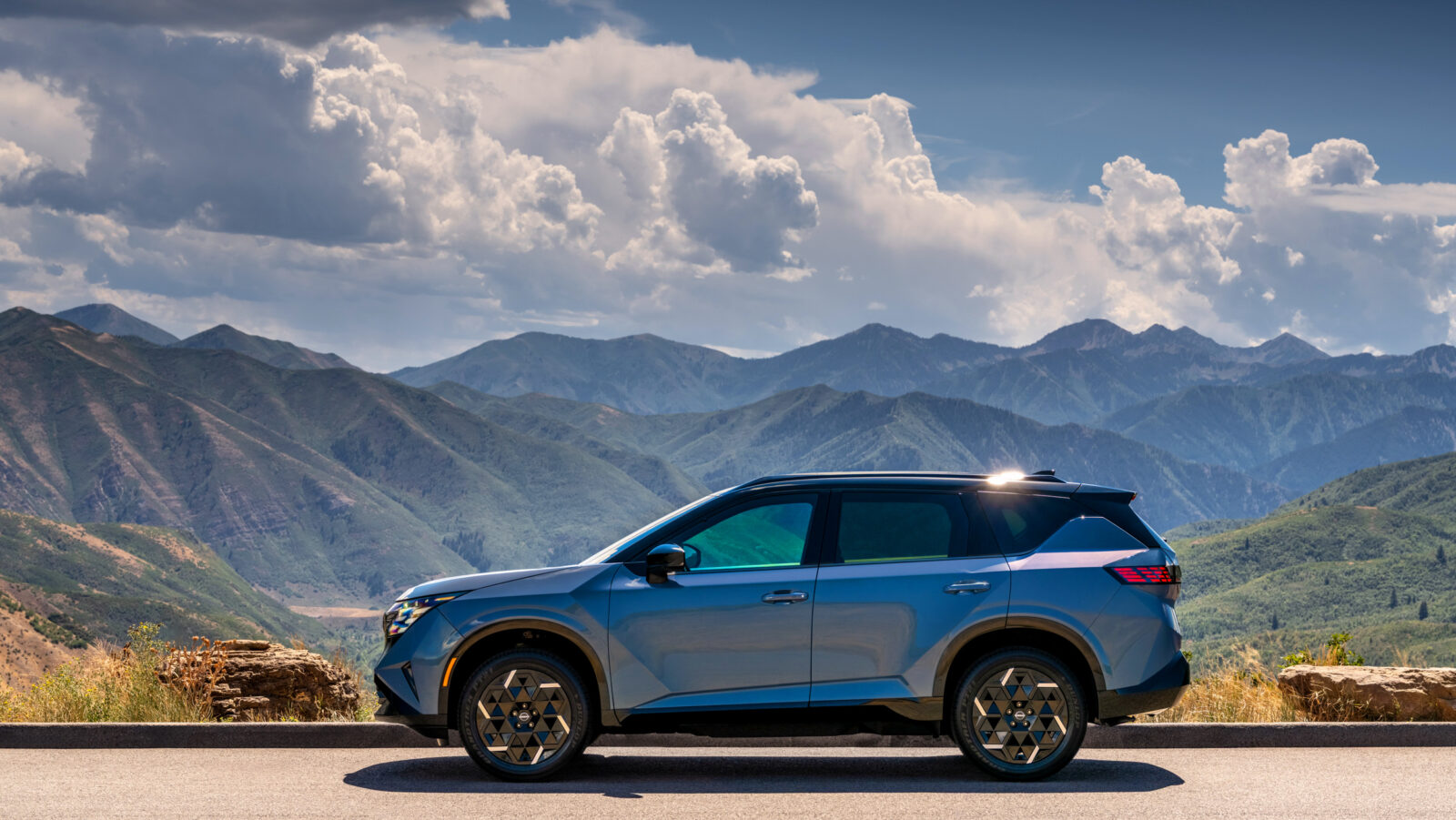
Nissan’s going rogue with a new kind of hybrid engine. The Rogue Hybrid, unveiled yesterday, brings new technology to the US at a time when road-trippers are hesitant to buy plug-in vehicles that might run out of charge on Zzyzx Road.
Traditional hybrid engines route electricity both directly to the car’s wheels and to a battery operating in parallel, switching between the two power sources. Nissan’s “e-Power” hybrid system doesn’t send any gas power to the wheels; instead, it uses gas to power a generator that charges a battery.
The car’s tailor-made for the US market, where Nissan has been ramping up.
Nissan’s US Tune-Up
E-Power is new tech for the US, but not around the world; Nissan has sold more than 1.6 million e-Power-equipped vehicles globally since debuting them a decade ago in Japan. It took three generations of the Rogue before Nissan felt the cars could efficiently handle high-speed freeway commutes. The Rogue’s new engine has a power boost that’s made with speeding and swerving Americans in mind.
It’s part of Nissan’s strategy to double down on the North American market, which has become a bright spot for the Japanese automaker:
- Nissan’s global sales dropped nearly 7% in the first half of the year, while US sales held steady (up 0.3%). Nissan is now maxing out its production at US factories as it tries to limit its exposure to tariffs.
- The Japanese automaker seems confident its new Rogue model can outmaneuver Toyota’s popular RAV4 Hybrid; Nissan dealerships even plan to stock some RAV4s just so shoppers can test drive and compare both models. The Rogue could also compete with extended-range electric vehicles (EREVs) that can be plugged in for a charge and fueled up with gas.
Middle Lane: Hybrids made up 19% of US auto sales last month, JD Power found, selling twice as fast as gas-powered cars in the second quarter. Hybrids promise more miles per gallon than gas-only cars as pain at the pump related to the Iran War persists.