

Good morning.
There’s telling your boss you had an email whoopsie and then there’s this. A Morgan Stanley employee accidentally sent clients a document containing confidential information on over 100 investment banking deals the firm is working on in Asia, Bloomberg News reported Wednesday. Mohamed Atmani, the investment bank’s Asia-Pacific head of financial sponsors, had meant to send a client-specific version of the file that only contained general updates.
Instead, he included an internal version with details on potential IPOs in China, India, South Korea and elsewhere, as well as information on private equity and pension fund backers of deals in the works, Bloomberg reported. Most embarrassing of all, someone posted a blurred copy on Instagram.
Meta Keeps Muse Momentum as Rivals Push New AI Models
OpenAI and Anthropic tried to crash Meta’s party this week but got turned away at the door.
Both of the companies that have led the AI revolution released new, cheaper AI models Tuesday. OpenAI’s two new models, GPT-6 Sol and Luna, are part of the company’s tiered system: Sol, built for complex tasks like coding, is a step below the most advanced model Astra, while Luna handles repetitive clerical tasks and is a level below Sol. OpenAI says the latest versions of the two models cost 50% less. Anthropic’s Claude Opus 5.5, meanwhile, is the most powerful version of the Claude lineup and comes with a cost cut compared to its predecessor.
They’re no competition for Meta’s Muse, but that’s because Meta isn’t trying to play the same game.
An AI Agent Made for Normies
Meta had been largely written off in the AI race, as its models lagged behind rivals in terms of their ability to quickly handle complex tasks. Then Meta decided to drop out of the race to become the most powerful model. Instead, Meta and a freshly put-together team of AI experts recruited from rival companies designed a product that’s made for everyday people, not Eli Lilly or the Department of Defense.
The advantage of starting from behind is being better able to size up the competition ahead, and identify any gaps they may be missing. Meta has done just that with its consumer-facing agent:
- Muse is the first publicly available AI agent built by Big Tech. But before Muse, OpenClaw proved that people wanted a personal AI agent to order their groceries and organize their calendars. The vibe-coded one-off became the fastest-growing project on developer platform GitHub as devotees donned lobster hats and claws. Meta’s head of product in its AI sector acknowledged Tuesday on X that OpenClaw “heavily inspired” Muse.
- But while OpenClaw was cumbersome to set up and use, requiring users to manually input text scripts, Muse is made for people who didn’t major in computer science. Basically, Meta pulled a Snapchat on OpenClaw, taking a popular concept (Stories in Snap’s case) and tweaking it for wider appeal. Muse’s app has racked up 2.5 million downloads since its September 8 debut, Sensor Tower found, more than Claude and Grok during the same period.
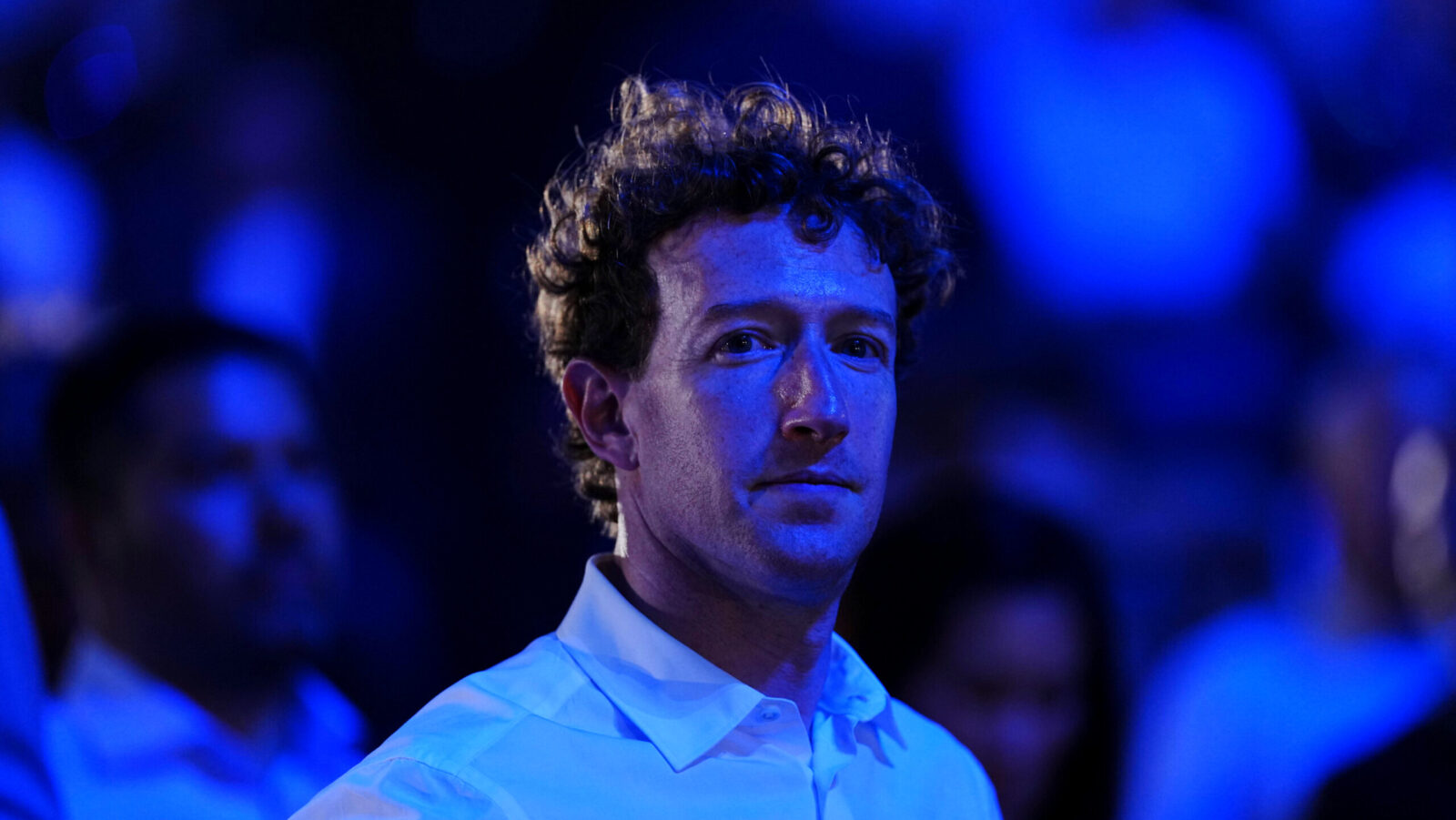
Torment Nexus Debate: Meta has been pulling ahead as the wider industry slows down. Anthropic pushed back its IPO to November amid warnings that AI could go Terminator mode on humans in the not-too-distant future. OpenAI on Monday proposed new safety and security standards the industry could adopt. Even Nvidia CEO Jensen Huang said in a podcast that any dangerous AI models should be shut down. Amid the clamor, Meta CEO Mark Zuckerberg stood by Muse, saying it was rigorously tested before release.
A Bullseye for This Colombian Coffee Icon
Over 30 million guests shop at Target every week. That’s roughly equivalent to the population of Texas.
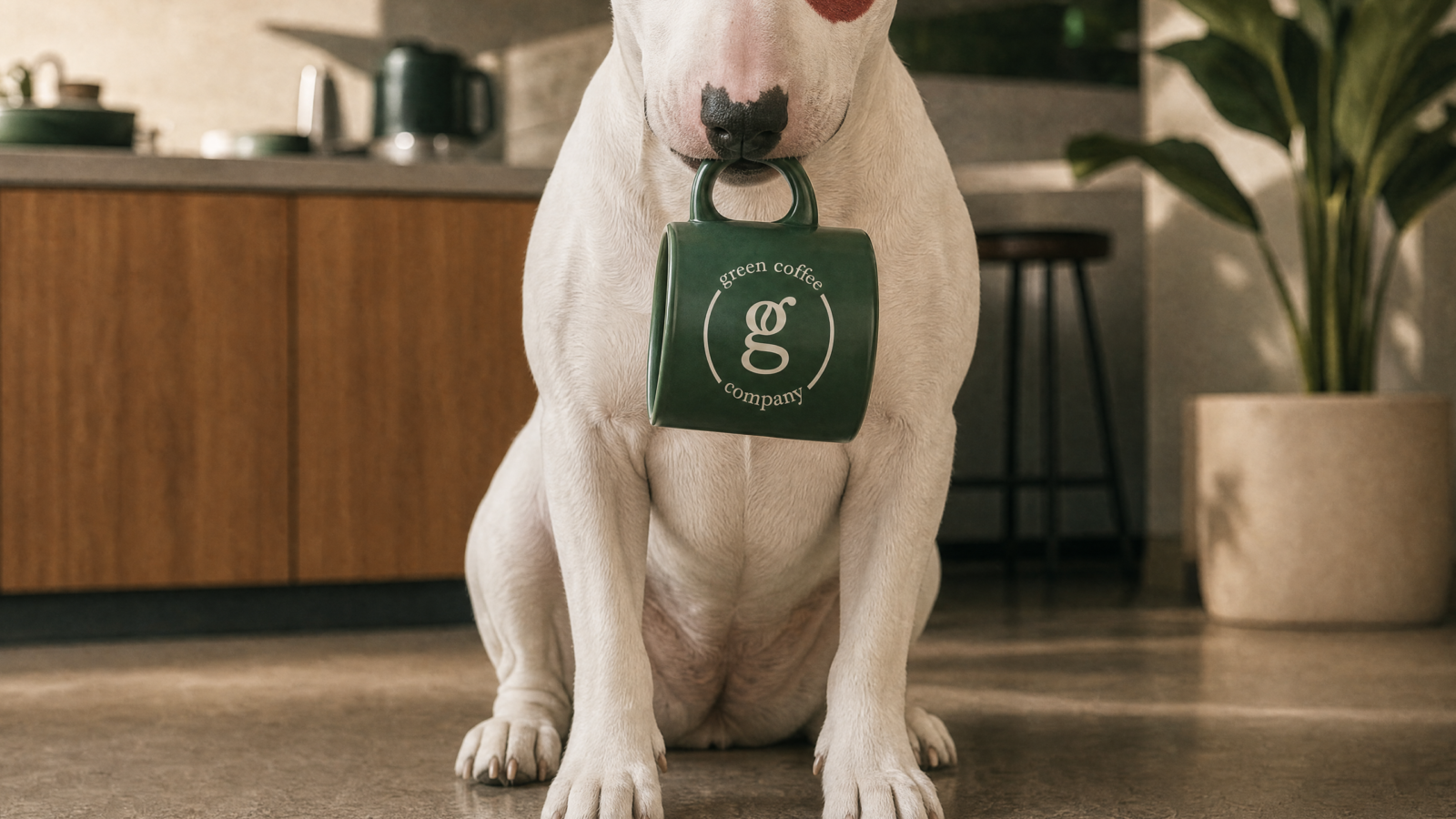
And no one is more perfectly positioned to capture these ravenous consumers than Green Coffee Company (GCC), which grew its presence 445% in Target stores after introducing the iconic Juan Valdez coffee brand to its shelves.
Holding the exclusive rights to this beloved Colombian coffee brand across the US and Canada originally landed GCC a 55-location deal with Target. But it flew off shelves so fast the major retailer increased that number to over 300. But GCC isn’t stopping there.
Now, they’ve just announced their entrance into Canada through Loblaws, the country’s biggest food retailer.
For a limited time, invest at $1.10/share until the share price changes after 9/30.*
Big Oil Says Diesel Export Ban May Drive Fuel Prices Even Higher
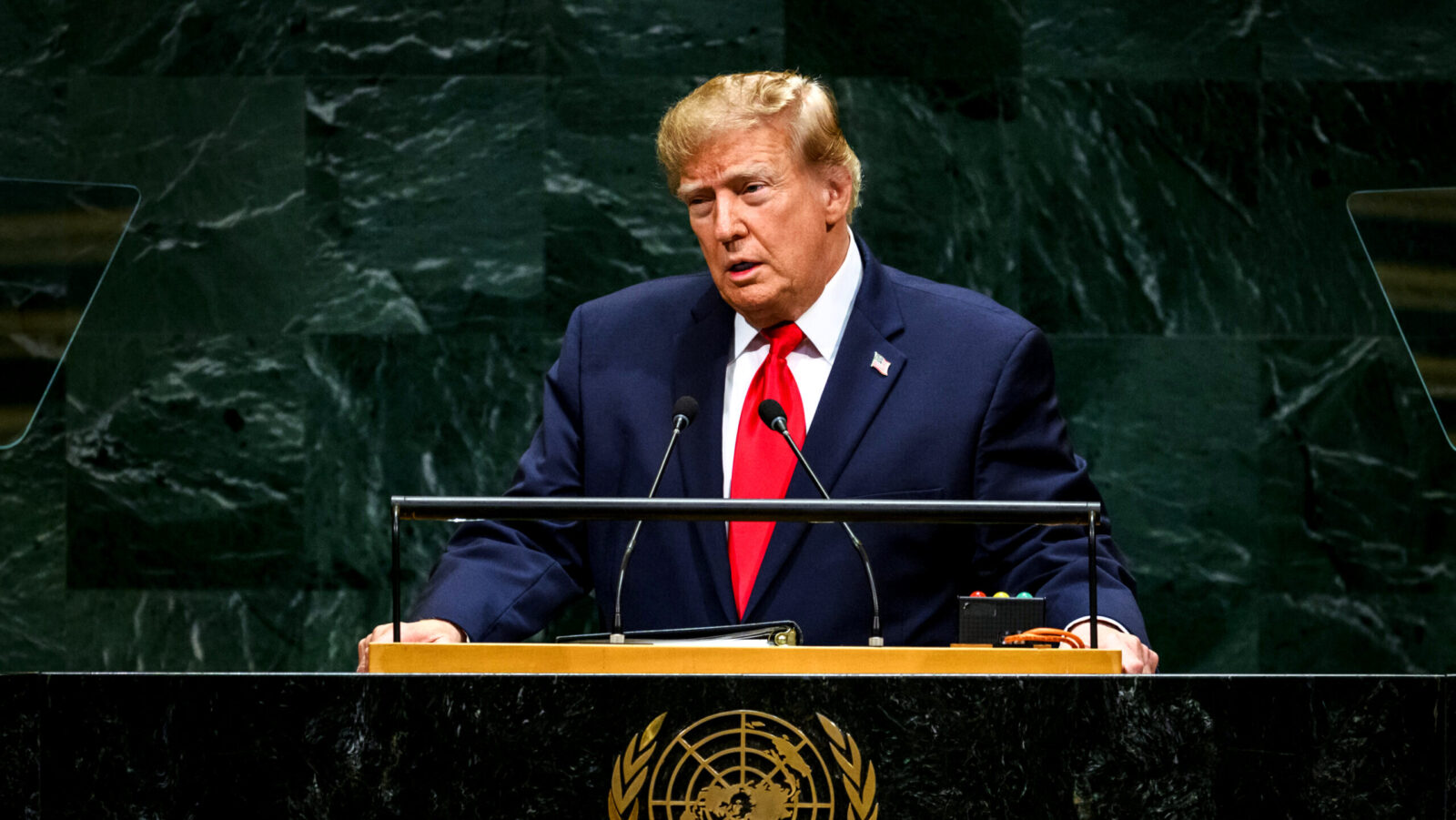
Will they or won’t they? That is the combustible question. Politico reported Wednesday that the Trump administration is readying a plan to halt diesel exports from the US for 90 days in an effort to lower record energy prices. The White House called it “fake news.”
Just one day earlier, President Donald Trump said he supported the idea of a ban and Treasury Secretary Scott Bessent said its feasibility was being studied. But on Wednesday, the White House pointed to Energy Secretary Chris Wright, who, without offering specifics, told The Wall Street Journal the administration may restrict exports, but won’t ban them outright.
Fuel for Thought
Diesel prices have been driven to all-time highs since the start of the Iran war in February and by Ukraine’s recent attacks on Russian refineries. An average gallon of diesel in the US cost a record $6.52 on Wednesday, up from $3.69 one year ago, according to AAA. Farmers and truckers, who rely on diesel in their daily work, are feeling the immediate pain, but that could soon spread. JPMorgan Wealth Management cautioned investors in a report earlier this month that current diesel prices, by driving up shipping, logistics, construction and manufacturing costs, could force companies to choose between lower profits, charging more or cutting costs, ultimately hurting their stock prices.
The American Petroleum Institute, an industry trade group, warned that a ban would “wreak havoc at home and abroad” because diesel is traded globally and US prices track international supply and demand. If the 1.5 million barrels of US diesel traded every day, about 20% of global seaborne supply, were taken off the market, the institute said it “would exacerbate the very global refining crisis that is increasing prices here in the US.” Others agree:
- At home, Garrett Golding, an assistant vice president for energy at the Federal Reserve Bank of Dallas, wrote on X that a diesel export ban would bring down US prices temporarily. Then, domestic refineries would run out of storage and be forced to reduce their run rate, leading to higher gas and other fuel prices.
- Abroad, one need look no further than import-dependent Europe: Already facing an acute diesel supply crunch, the continent’s diesel benchmark is up 135% this year.
It’s a Gas: Investment adviser Vanguard said Wednesday that gasoline prices are a significantly more pronounced driver of inflation than diesel: “While diesel prices have risen by nearly 35% since end-June, compared with 16% for gasoline, our analysis indicates that gasoline accounts for more than half of the variability in headline inflation, compared with only around 3% for diesel.”
Earn a 4.25% Var. APY on Up to $1M Through Feb 15 With Betterment

Grow your savings with a variable APY 11x the national average with Betterment’s Cash Reserve. Betterment’s new customer offer: Open a Cash Reserve account and make a qualifying deposit to get a 0.75% variable APY boost on your savings until February 15, 2027. Activate offer.**