How Retirement Savers Can Profit from Big IPOs
It’s usually not by eagerly scooping up shares of a company before it has met the standards of inclusion for key indices like the S&P 500.
Sign up for smart news and actionable insights on the strategies, products, and policy shifts shaping retirement outcomes.

Nobody likes being left out, but following the crowd brings its own risks.
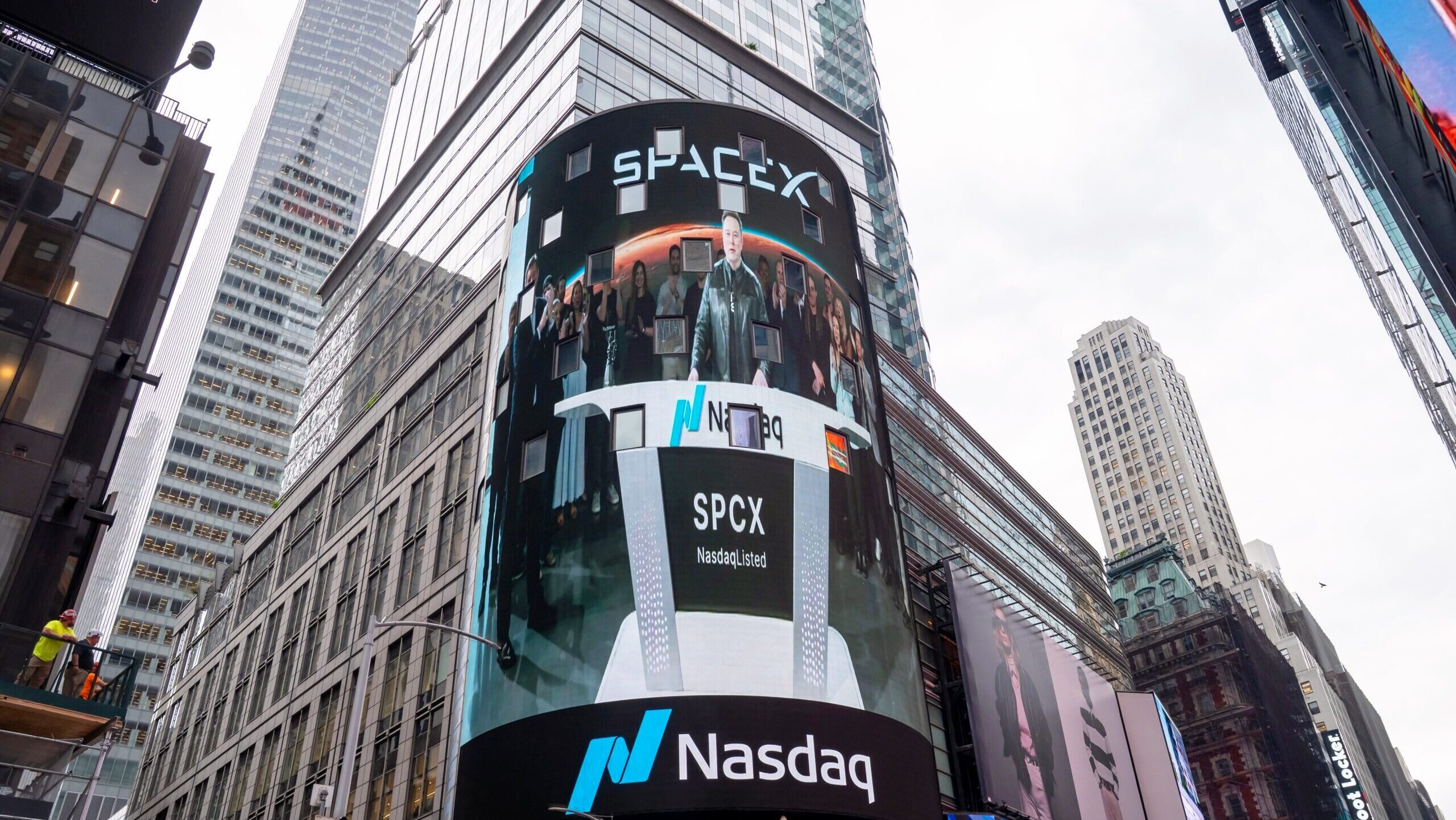
Perhaps the biggest financial story of 2026 has been the initial public offering of SpaceX, and the pending IPOs of Anthropic and OpenAI, together expected to bring as much as $4 trillion in market cap to US equities over the next six to 12 months. The AI economy hype has some investors rushing into SpaceX stock, with many champing at the bit to buy Anthropic and OpenAI to build a sort of mini-tech index in their taxable brokerage account or IRA. Call it: AI IPO FOMO.
Some financial advisors working with retirement savers have taken a more measured approach, however, telling Retirement Upside that they’re optimistic about the long-term opportunity presented by these companies while also cautious about rushing into single-stock positions. Most say they are happy to wait for these stocks’ eventual inclusion in mainstream indices and diversified sector funds, where their big potential upside and downside risks are balanced with broader holdings.
Patience, Please
One such advisor is Maria Castillo Dominguez, founder of Valoria Wealth Management. The “I’ll miss the early run-up” concern is real, she said, but often overstated, and history shows the best long-term returns have come from stocks after their inclusion in key indices, not before.
“A bundle of high-profile IPOs in an IRA sounds exciting until three of the five underperform and you’ve permanently burned tax-advantaged dollars,” Castillo Dominguez said. “Or your IRA grows to a point where you will have large RMDs in the future, making it imperative to plan for Roth conversions to avoid jumping to a higher tax bracket.”
Other advisors agreed, including Andrew Van Alstyne, founder of High Rock Wealth Management, who worries about early sentiment-trading dragging down performance. “When people aren’t seeing the returns or getting earnings reports that are favorable to what their preconceived notion of these companies is, you’re going to see a lot of people running for the hills,” he warned. “Long term, there will be a place and a time to add these to portfolios, but it’s best for us to sit on the sideline and wait a bit longer.”
Post-IPO performance data from economist Jay Ritter’s famous 1991 paper offers some context:
- IPOs returned 34.5% over their first three years on the market, while comparable companies returned 61.9%.
- The worst results tend to come from young growth companies that went public in hot markets.
Go For Bust! Thomas Rindahl, financial advisor at TruWest Wealth Management, had more of a contrarian take: “If you put 1% or 2% in these IPOs, you could lose it if they all go bust. But is 1% or 2% of your portfolio going to majorly alter your retirement? Probably not. But if they all go 10x or 100x or more, then you could have a significant upside to your retirement.”
Recent News




-
Nvidia Raises Bet on Open-Source AI With $13B Hugging Face Deal

Photo via Clement Delangue/X

-

Photo by Getty Images via Unsplash



-
The Father of the 4% Rule Has New Ideas About Retirement Income

Photo via Bill Bengen