While the company didn’t mention the threat of tariffs, Nike is heavily exposed in China, home to roughly 24% of its suppliers.
The Rayliant founder and CIO talks emerging markets, global trade, and Japanese growth.
CATL — blacklisted by the US Department of Defense in January for alleged ties to the Chinese military — pulled off the best IPO of the year.
While a trade war bruised the US economy, China isn’t immune to the pain, and its leaders are growing more receptive to negotiation.
Fast-food chain McDonald’s, an economic indicator because of its mammoth global presence, posted its worst earnings report since 2020.
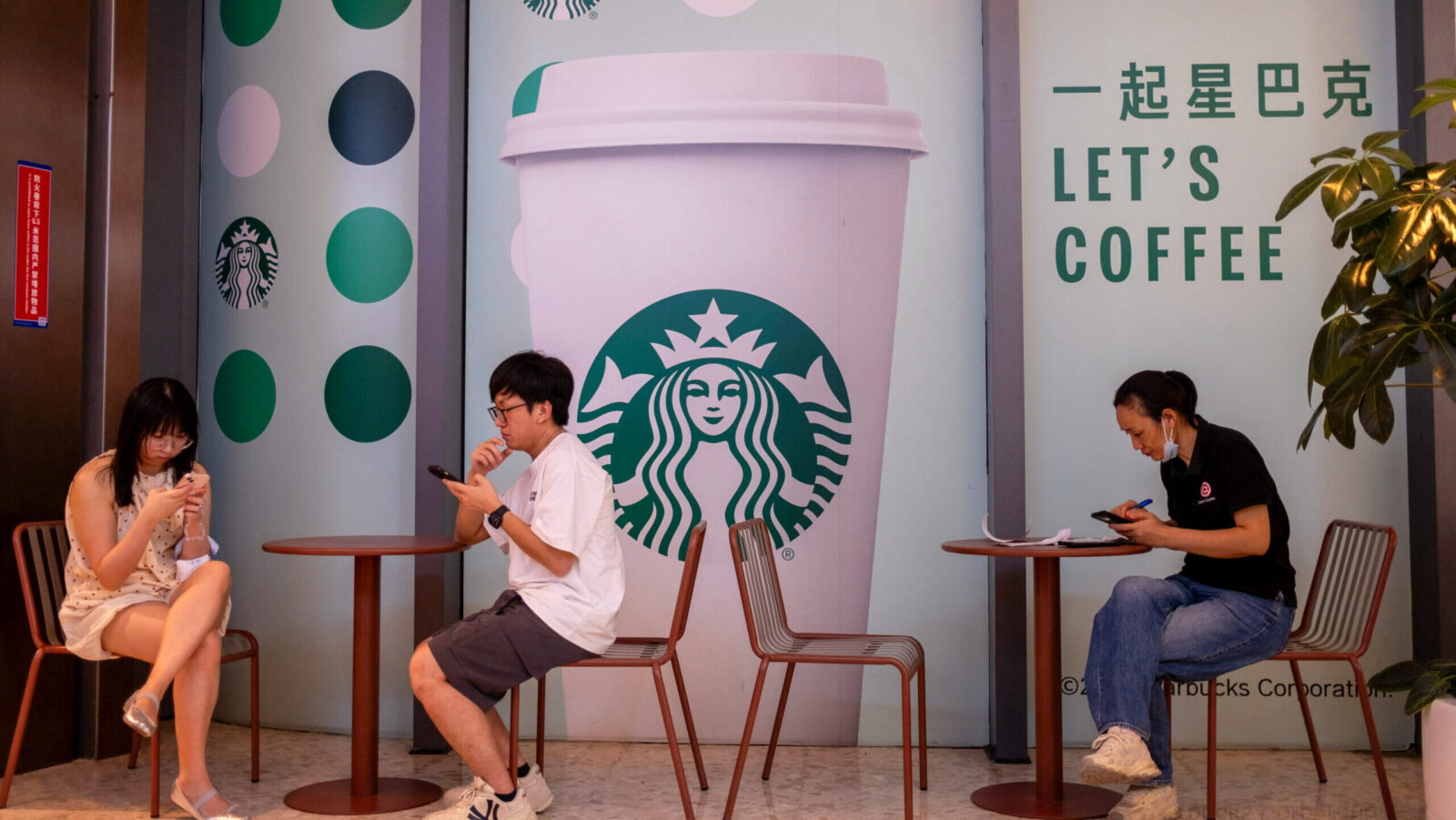
Reducing beverage-wait times is part of Starbucks CEO Brian Niccol’s turnaround plan, which includes tech updates focused on efficiency.
To prepare for a slowdown of global trade, US retailers spent months building a massive inventory to prevent empty shelves.
Canada’s Liberal Party won a majority promising to distance the country from the US, a major importer of Canadian crude.
As the trade war rages on, big box stores are fearful of big empty shelves. And they’re letting the White House know it.
A half dozen humanoid robots completed a half marathon in Beijing, though their prowess still trails human runners by a considerable amount.
Investor worries about a fresh batch of US tariffs have dragged LVMH shares in Paris down 23.6% so far this year.
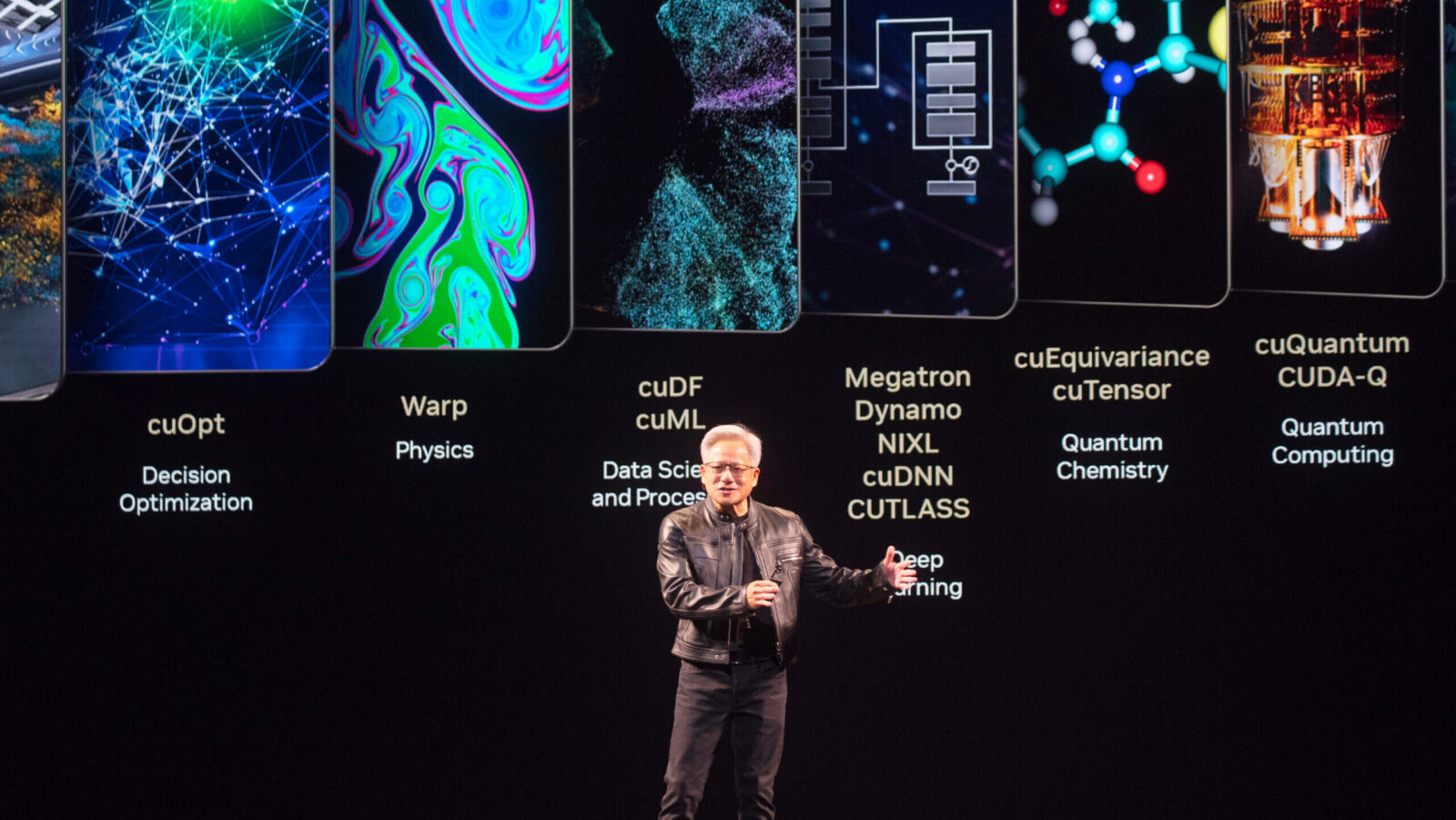
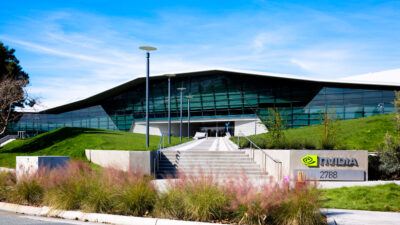
CEO Jensen Huang is said to have traveled to Beijing, where the Financial Times reported he met with DeepSeek’s founder.
China is a top global producer of 30 of the 50 minerals the US considers critical, and is sources more than half of the US annual supply.
As a share of US GDP, the manufacturing sector has decreased from a nearly 25% peak in the 1950s to about 11% today.
The Budget Lab projects that, with the current tariff levels, US and Chinese economies would both be 0.6% smaller in the long run.
When yields rise, it suggests a selloff, and it also means likely higher costs of borrowing for companies as well as the government.