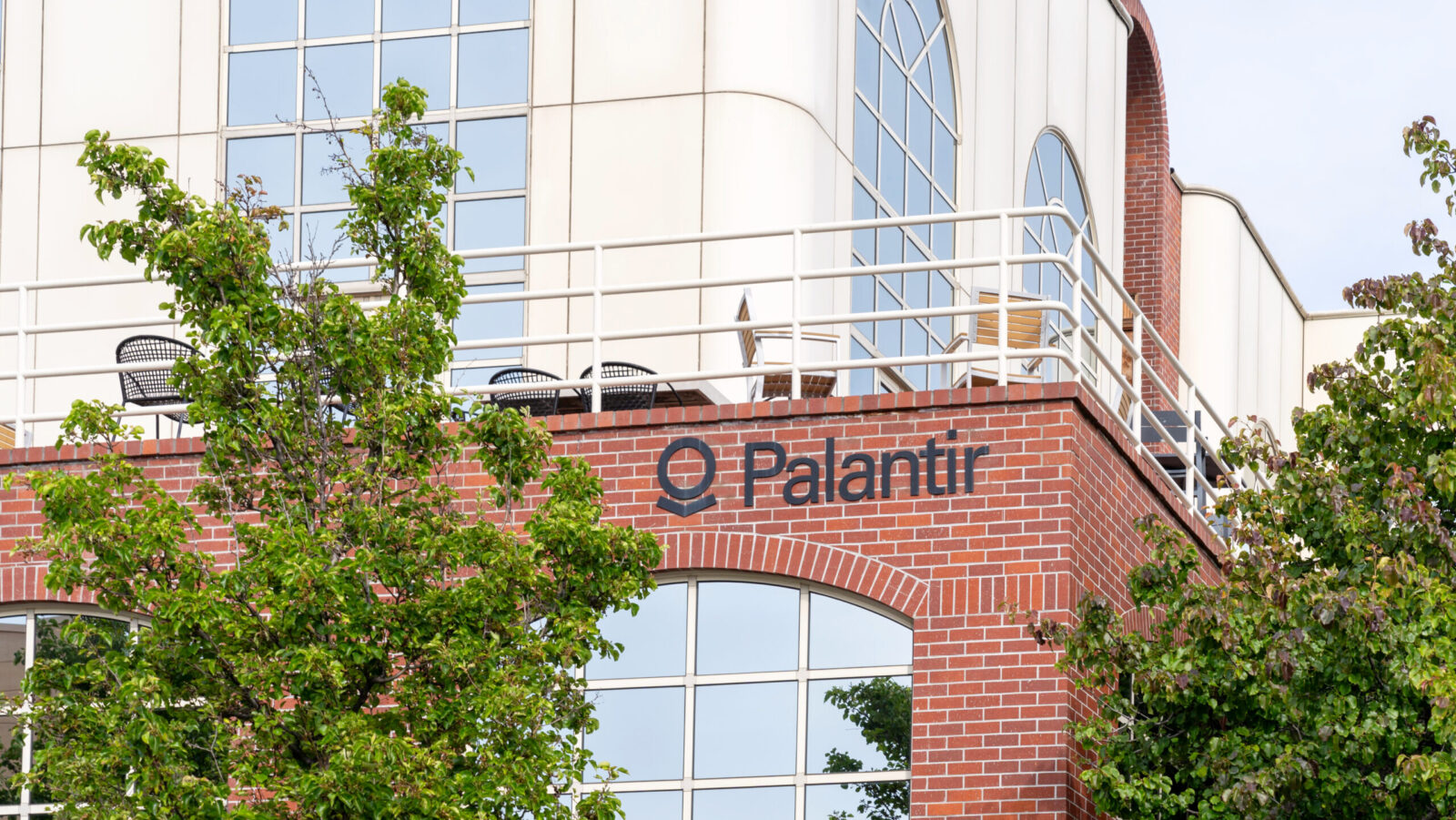
Palantir’s recent tumble is part of a broader selloff in enterprise software firms, triggered by fears that AI’s coding capabilities.
Our daily email brings you smart and engaging news and analysis on the biggest stories in business and finance. For free.

Earlier this month, Tesla lost its title as the best-selling electric vehivle maker in the world to Chinese company BYD.
Nobody is happier about the exit uptick than Blackstone executives, whose realized performance compensation reached $1.1 billion in 2025.
Both companies announced capex projections that blew past consensus expectations, but only Meta seemed to rebuff the Wall Street wariness.
Huntington Bancshares reported that its average commercial loans grew 12% from the prior quarter and 21% from a year ago in Q4.
The good news is that CFO David Zinsner said that the company expects its supply to rebound through the rest of the year.
For now at least, it looks like the storied retail company’s turnaround effort is taking hold as well as paying off.
Through the last 100 days, the Russell 2000 has bested the rival S&P SmallCap 600 by 9%, good for the widest gap since 2010.
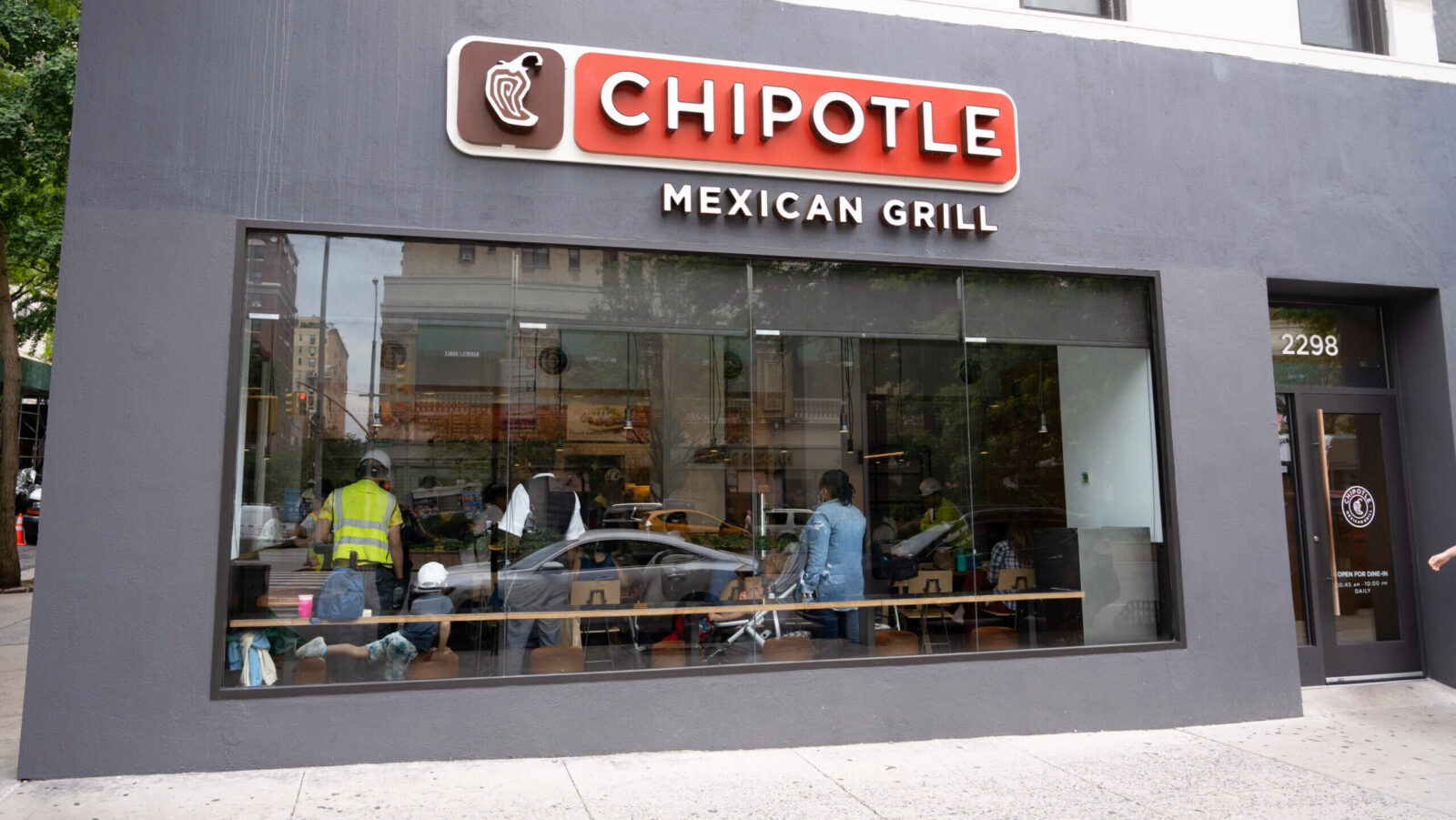
Execs said that inflation-addled consumers are under the impression that Chipotle costs more than it does.
CEO Mike Lyons said on an earnings call that Argentina’s floundering economy was the major culprit for the company’s woes.
The all-powerful cohort continues to define the broader market, which has officially been placed on the “bubble watchlist.”
The third quarter of the year is typically the most expensive time of year for insurers because of extreme weather events.
The bank reported Tuesday that it made $2.6 billion in investment banking fees in the third quarter, a 42% year-over-year surge.
VantageScore 4.0 credit scores will be available for $4.95 per report, with no added fees, through 2027, Equifax announced on Tuesday.
Just 54% of US adults said they consume alcohol in a recent Gallup poll, marking the lowest level in the survey’s roughly 90-year history.
Oracle said its remaining performance obligations is now sitting at $455 billion. That’s up 359% from where it stood just a year ago.