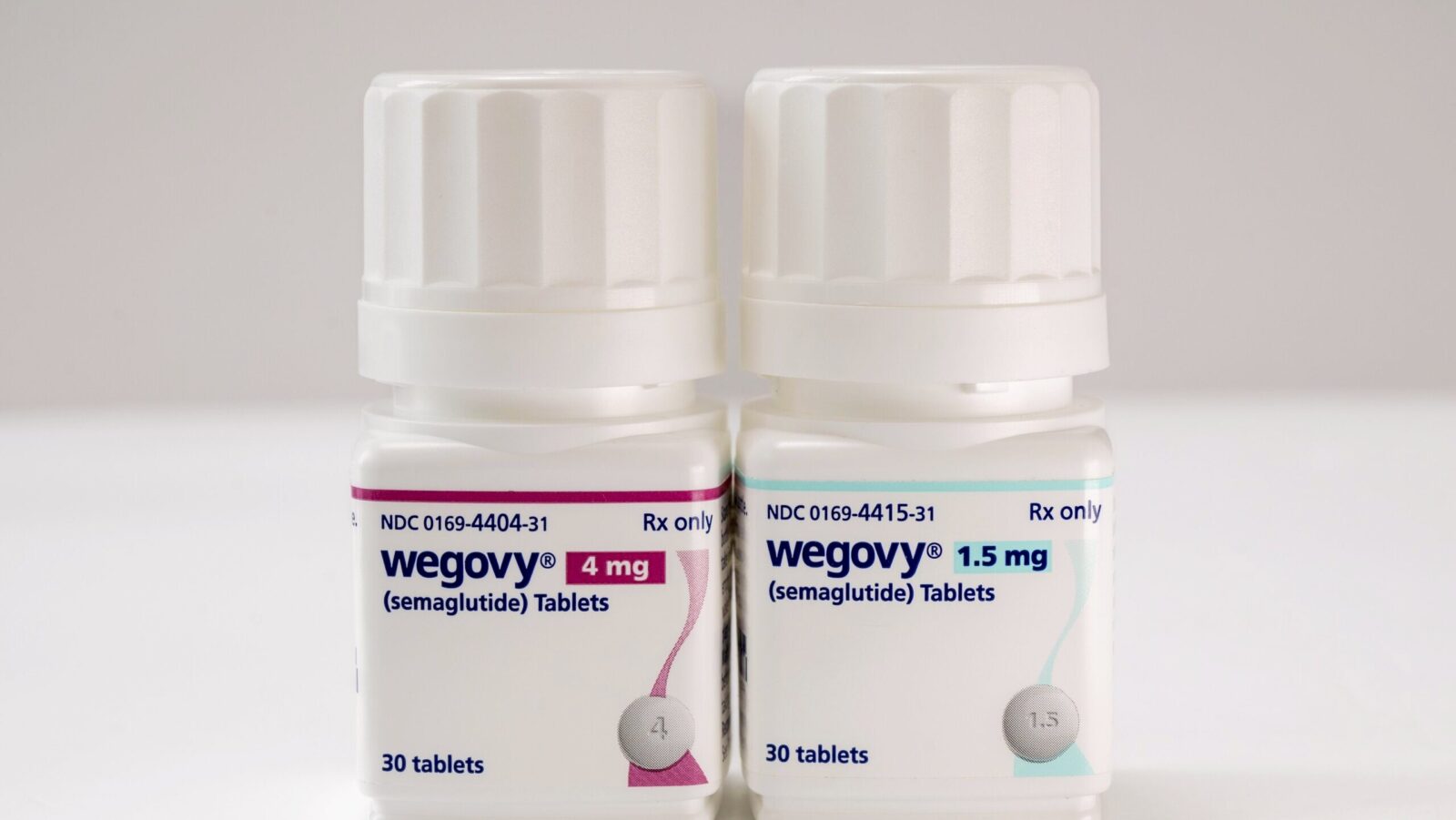
Approximately one in eight Americans are taking medications like Ozempic or Wegovy for weight loss, diabetes, heart disease and more.
Our daily email brings you smart and engaging news and analysis on the biggest stories in business and finance. For free.
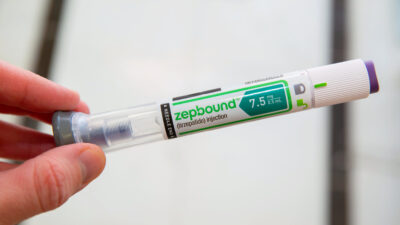
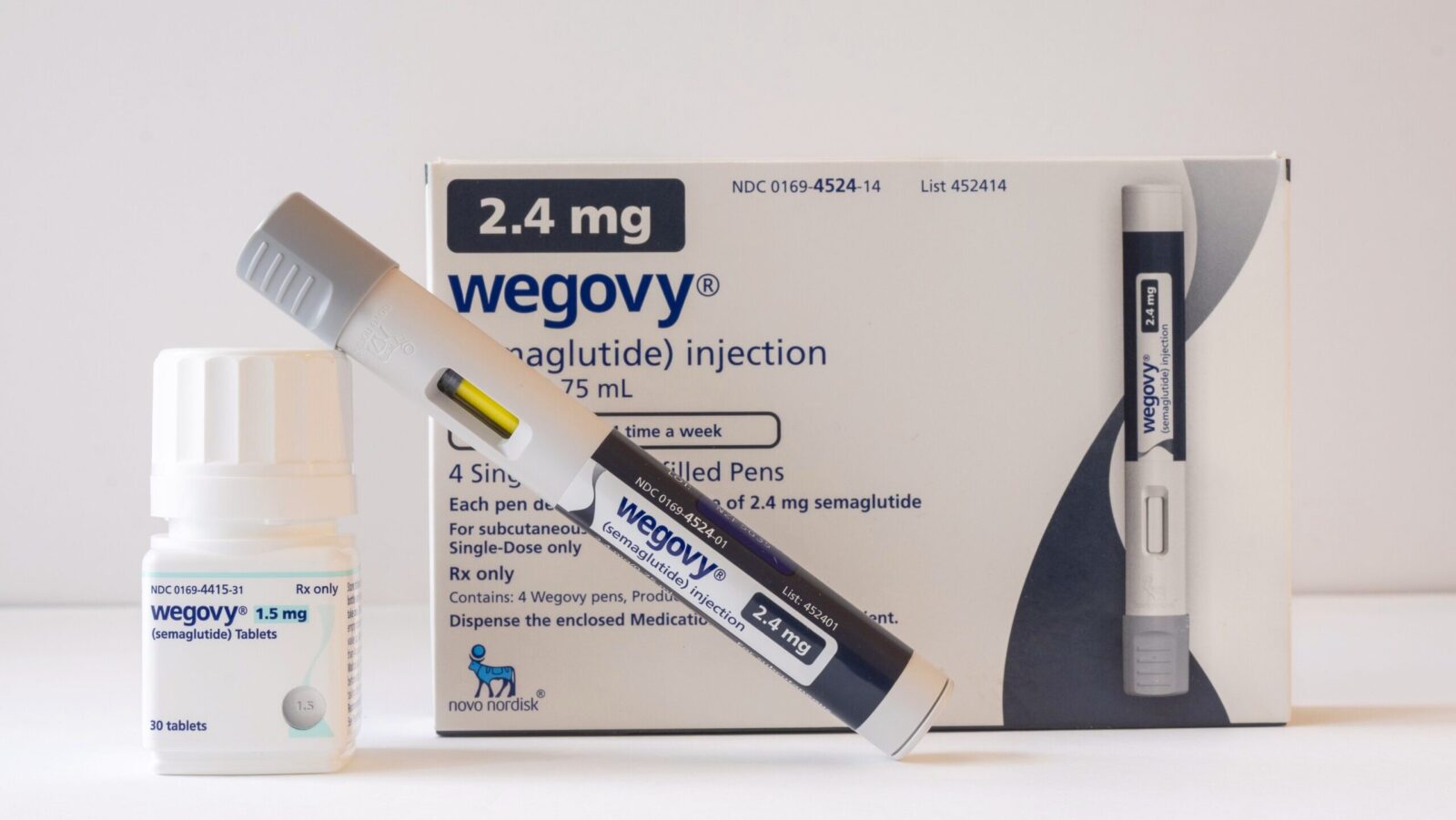
The two struck a deal Monday for Hims to offer official versions of Novo Nordisk’s GLP-1 drugs Ozempic and Wegovy.
Just 20% of firms with 200 or more workers said they covered GLP-1 drugs for weight loss, according to the Peterson-KFF Health System Tracker.
Novo’s Copenhagen-listed shares rose 5.2% on Monday. New York-listed shares in Hims & Hers, meanwhile, shed an Ozempic-like 16% in volume.
The proliferation of cheaper generic drugs and more competition has already begun to bring down prices on weight-loss treatments.
US firms are also staring down a multi-billion dollar patent cliff of their own, prompting a yearslong buying spree.
The company also said earlier this week it will drop $6 billion on a new manufacturing facility in Huntsville, Alabama.
AstraZeneca is the biggest drugmaker in Britain and its £193 billion ($253 billion) market capitalization tops the London Stock Exchange.
Metsera on Tuesday called Novo Nordisk’s new $10 billion offer “superior” to rival Pfizer’s bid of $8 billion.
Record performance of its GLP-1 drugs sent shares in Eli Lilly soaring almost 4% after its earnings call on Thursday.
The acquisition comes as new CEO Mike Doustdar tries to revive once meteoric growth that has come crashing down to earth this year.
A 2024 RAND study found that US drug prices are 278% higher than in 33 other developed countries in the OECD.
Both companies have been desperate to innovate beyond their current injectable GLP-1 weight-loss drugs for a while now.
China’s pharmaceutical sector, a minor player just years ago, has revved up into a global juggernaut faster than a Fuxing high speed train.
About 5 million people are affected by idiopathic pulmonary fibrosis globally, according to the National Institutes of Health.
Morgan Stanley analysts have estimated that Lilly’s GLP-1 pill could bring in as much as $40 billion in annual sales by 2033.