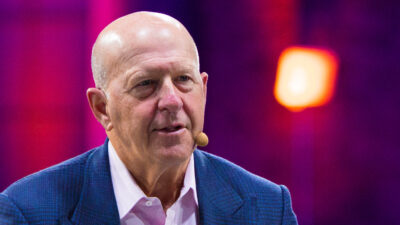
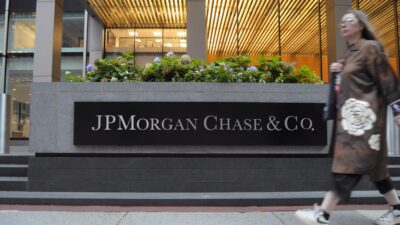
The upbeat earnings reports Wall Street expects from the largest US banks are once again being overshadowed — this year, by the Iran War.
Our daily email brings you smart and engaging news and analysis on the biggest stories in business and finance. For free.
Structured notes can help current and near-retirees that need ongoing growth, but they can’t afford high levels of risk.
A record year for Wall Street bonuses is driving real estate investment, from luxury coastal property to workforce housing in the heartland.
The Roundhill Magnificent Seven ETF, which tracks Alphabet, Amazon, Apple, Meta, Microsoft, Nvidia and Tesla, has slid roughly 11% this year.
By 2030, Goldman alone expects its alternative assets under supervision to reach $750 billion.
The majority will provide liquidity to early shareholders instead of going directly to GeoWealth’s balance sheet.
Most of JPMorgan’s big banking peers don’t have NAV loan agreements that let them proactively revalue assets.
The iShares Global Clean Energy ETF jumped more than 5% last week, exceeding the oil-and-gas-focused Vanguard Energy ETF’s 1.3% gain.
AIG is outperforming insurance industry rivals, according to Goldman Sachs, in adapating to and leverage artificial intelligence.
They’re just the latest firms to join the referral space, an area of wealth management that is ramping up.
It’s one of the rare examples of M&A in the ETF industry.
Two of Wall Street’s heavy hitters have done a bit of housekeeping in their wealth and asset management units.
The six largest US banks paid more than $140 billion in dividends and buybacks last year, setting a record, according to Bloomberg.
A logjam keeping companies worth as much as $2.9 trillion, from SpaceX to OpenAI, out of public stock markets may finally break in 2026.
In its earnings call, Goldman said that its deal backlog now sits at a four-year high entering the New Year.
Loan loss provisions — the allowance banks set aside to cover bad debt — is a key data point to watch regarding consumer health.