Many advisors have been reluctant to move legacy portfolios into standardized models because doing so risks significant capital gains taxes.
Our daily email brings you smart and engaging news and analysis on the biggest stories in business and finance. For free.
Low-cost funds can come with tradeoffs when it means owning the losers right alongside the winners.
Industry inflows also surpassed last year’s record of $739 billion over the same time period.
Average account balances have reached record highs, according to Vanguard’s annual report published this week.
The issuer’s popular S&P 500-tracking fund also recently made history by amassing $1 trillion in assets.
The reductions aren’t raising stakes in the never-ending game of fee poker between asset managers. Rather, Schwab is calling their bets and refusing to fold.
Demand for high-yielding fixed-income funds is driving a wave of innovation across the space.
The fund would become the first ETF to hit the trillion-dollar milestone.
Many investors deploy sophisticated strategies (that will likely underperform) while leaving the low-hanging fruit to rot.
The world’s largest asset manager launched an active fund, the iShares $ EM Bond Active Ucits ETF, in April.
The tool is a part of the company’s Portfolio Analytics system, alongside features like stress testing, healthcare cost projections and Social Security optimizations.
The asset class can play an important role in portfolios, she noted, but that doesn’t mean they’re vital in 401(k) plans.
Vanguard’s first target-maturity ETFs designed for bond ladders launched today, while there are a number of new BulletShares ETFs slated for Invesco’s lineup.
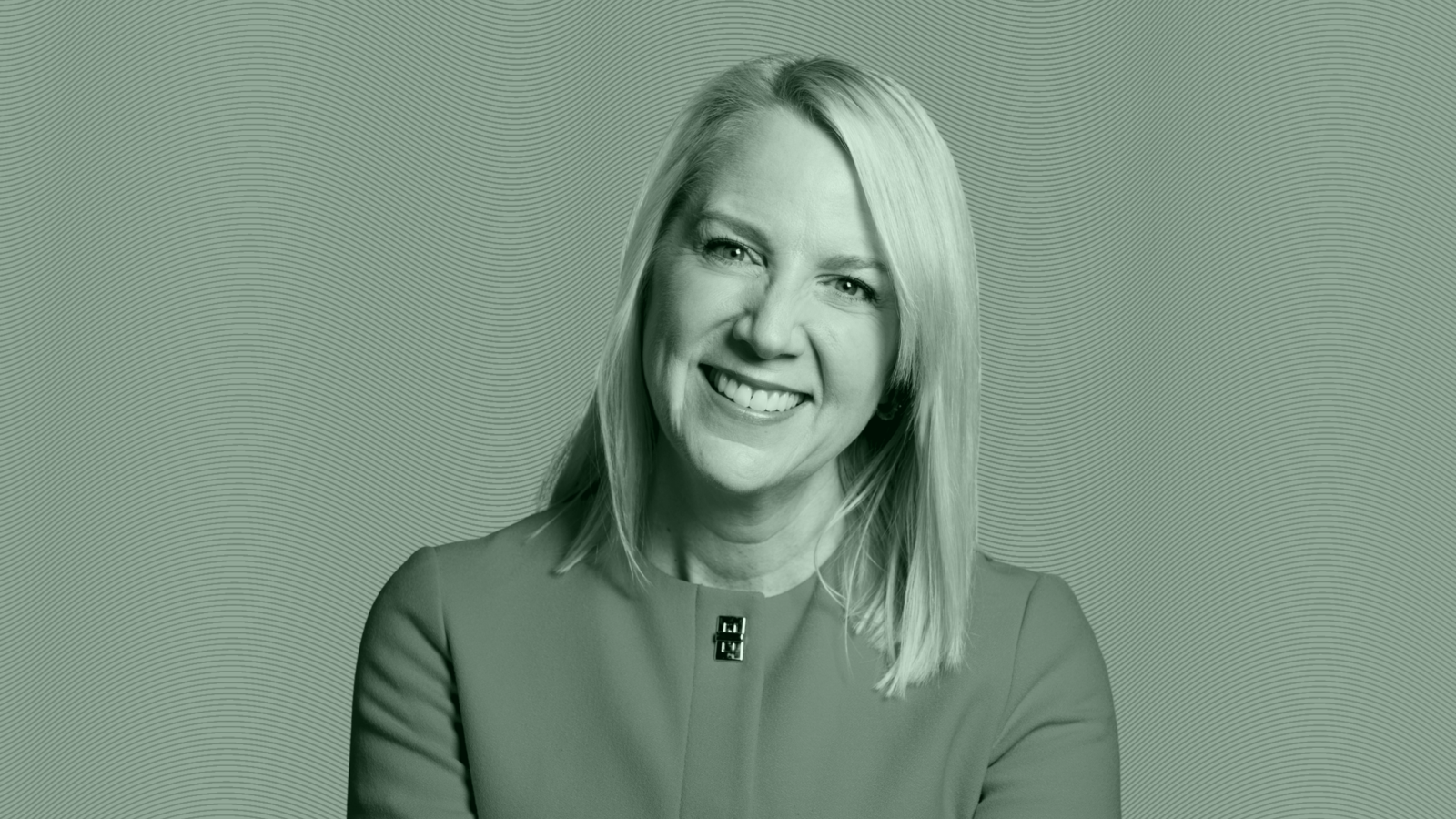
The company’s head of financial advisor services Lauren Wilkinson said wealth managers are already finding major efficiencies. What comes next?
Hardship withdrawals are considered last-resort financial decisions, so why are so many people making them?