AMD Pops on Meta Deal that Squares with AI Sector’s Transaction Loop
Transactions like these, where the interests of suppliers, customers and investors all seem to become one big loop, raise plenty of eyebrows.
Sign up for smart news, insights, and analysis on the biggest financial stories of the day.

With apologies to Joni Mitchell, this is the circle game.
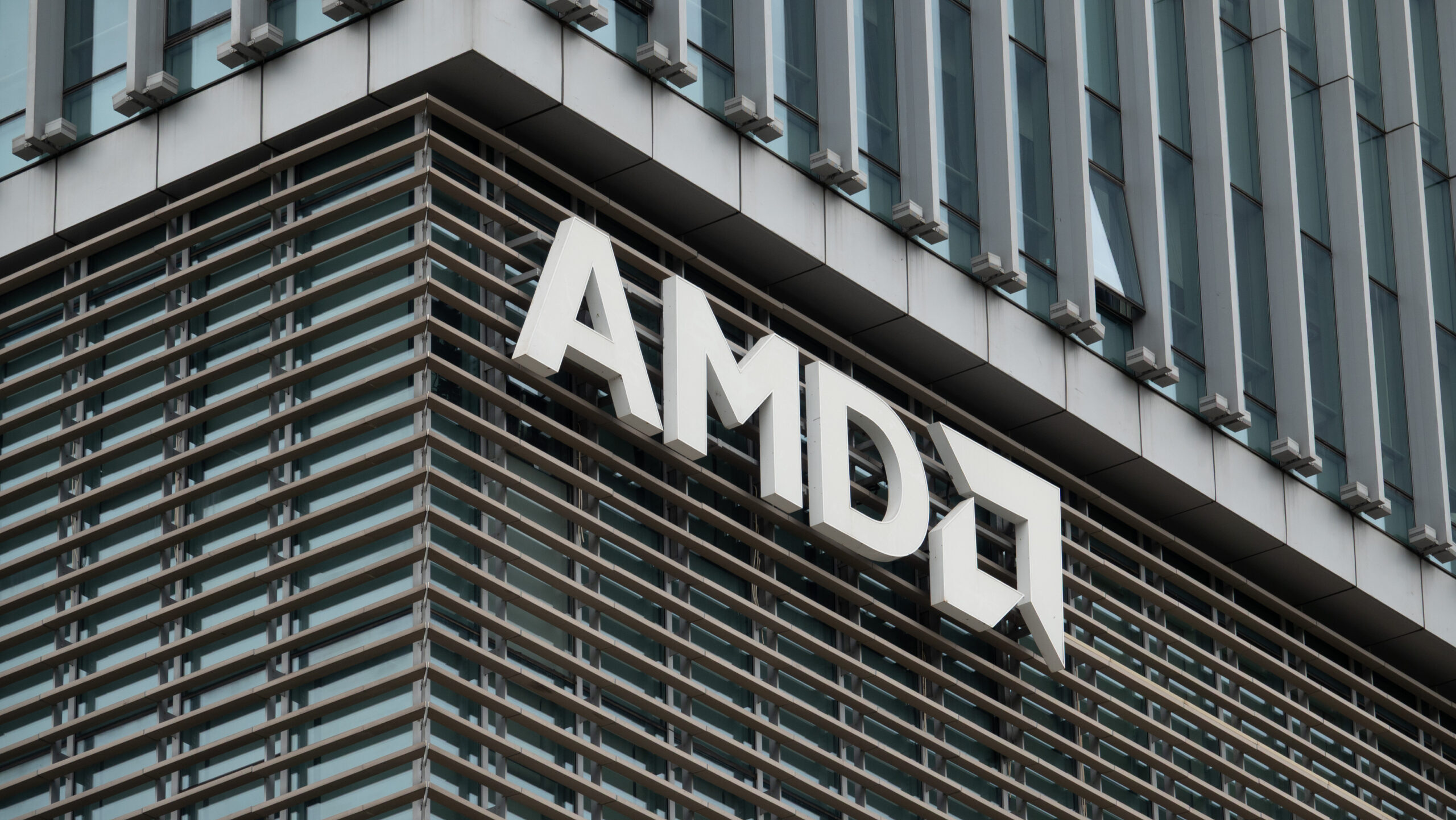
Shares in AMD climbed 8.8% Tuesday as markets reacted favorably to a chip deal worth up to $100 billion that the semiconductor-maker struck with Meta. Nearly identical to a pact the company hatched with OpenAI late last year, it took the same “circular” shape as deals that triggered some initial AI anxiety last fall.
Circularity for the Singularity
It goes like this. Meta agreed to purchase 6 gigawatts of computing power from AMD to meet its growing data center needs. In exchange, AMD agreed to give Mark Zuckerberg’s social media giant warrants to buy up to 10% of its shares for a mere penny each. There are conditions of course: Most notably, the warrants will be paid in full only if AMD’s stock reaches $600. That’s almost triple the $213 it sold for on Tuesday.
Meta has an extraordinary incentive to keep buying AMD chips. The more business it throws to its partner, the greater the chance of converting those warrants. Since AMD has basically the same deal with OpenAI, 20% of the company is potentially working under warrant to two of its biggest customers.
“Circular” transactions like these, where the interests and commitments of suppliers, customers and investors all seemingly become one big loop, raise plenty of eyebrows. Microsoft has invested nearly $14 billion in OpenAI and holds a 27% stake in its for-profit subsidiary, while the AI developer agreed to purchase up to $250 billion in Microsoft Azure Cloud services. Amazon, Microsoft and Nvidia have all invested billions in Anthropic, which has in turn pledged to buy from them. Intel struck a circular deal of its own on Tuesday, becoming an investor in and manufacturer for startup AI chipmaker Sambanova. Comparisons to the 1990s dotcom bubble have been made in some cases, though that could be overblown:
- After the AMD-OpenAI pact was announced in October, JPMorgan Asset Management said it’s worth scrutinizing the “enormous” scale and “unprecedented” pace of AI investments, as well as the return-on-investment assumptions in the sector.
- However, JPMorgan also noted that only 7% of the fiber-optic network during the dotcom era was utilized, meaning there was a massive capacity surplus. Today is a different day: “Data center vacancy rates are at record lows and utilization levels hover around 80%. Demand for compute continues to far outpace supply: More data has been created in the last three years than in all history.”
Zuck’s Edge: Notably, some of these deals could be seen as a pragmatic hedge. Meta agreed last week to buy millions of chips from Nvidia, and the AMD deal gives Meta leverage in a year where its capital spending could reach $135 billion. Now it has two major suppliers to bargain with. You don’t even need an analyst to read between the lines, because Zuckerberg all but said so himself, calling the deal “an important step for Meta as we diversify our compute.”
Recent News
-
In CapEx Manifesto, Amazon CEO Defends Billions in AI Investments

Photo via Kyodo/Newscom