Quantum Stocks Surge as US Government Arranges Cash Upload
IBM leads a slate of companies poised to benefit from $2 billion in US government grants to support quantum computing development.
Sign up for smart news, insights, and analysis on the biggest financial stories of the day.

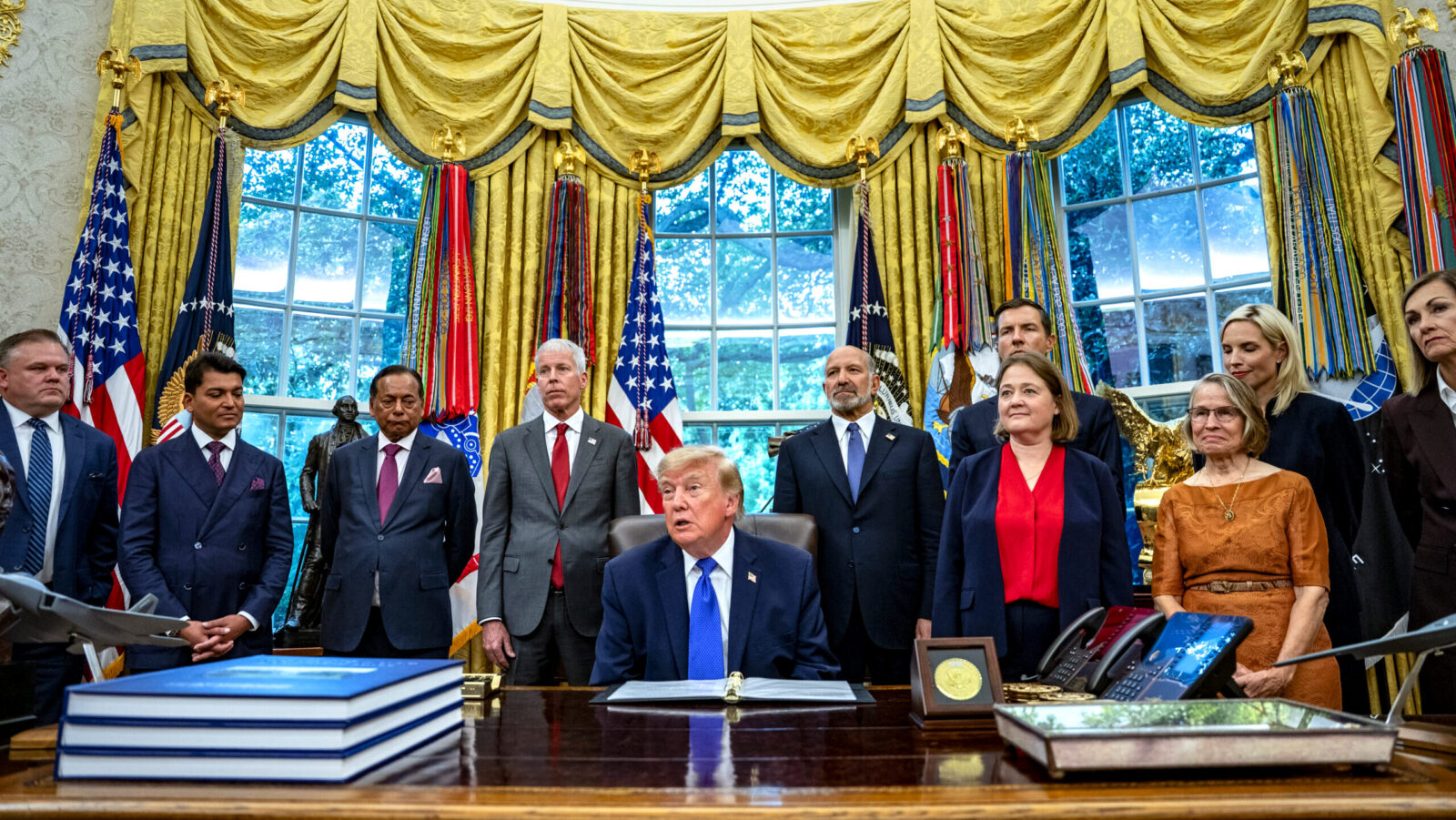
The Trump administration set aside $2 billion in grants for quantum companies that could shape the next wave of tech while making the US government a minority stakeholder in the selected companies.
Half of the $2 billion will be split among quantum-focused companies including GlobalFoundries, Infleqtion, Rigetti Computing, and D-Wave Quantum, all of which saw their shares surge last week.
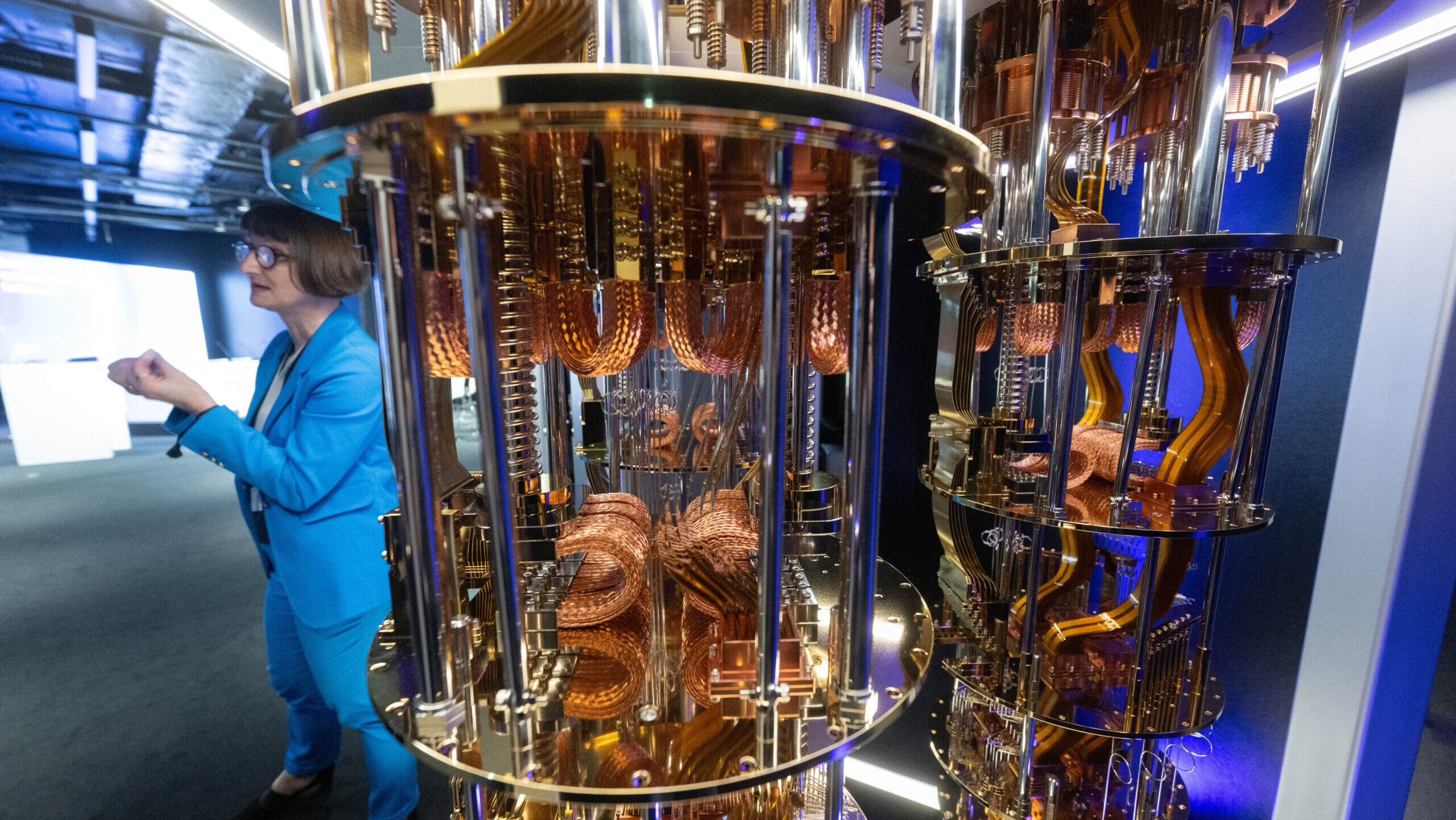
The other half will go to IBM, which plans to match the funds with $1 billion of its own cash. IBM will put that pile to work building a standalone quantum foundry called Anderon to fast-track its quantum ambitions.
Quant-pocalypse or Quant-portunity?
IBM is leading the pack with plans to build a fault-tolerant quantum computer by the end of the decade. Much of the chatter around the futuristic tech focuses on its ability to break modern encryption. That event, called Q-Day for extra drama, would put all encrypted systems at risk. A site called the Quantum Doomsday Clock says Q-Day is the end of the military, government, e-commerce, healthcare, and more.
But Q-Day’s not all doom and gloom. Experts expect quantum computers will be able to do a lot more than hack secure systems:
- IBM’s CEO, Arvind Krishna, said that quantum is currently where AI chips were a decade ago, and that the quantum sector has the potential to generate billions of dollars annually by the mid-2030s. Besides bringing in money, quantum computers could help discover new drugs by rapidly running simulations, Krishna said.
- Quantum could also help conduct financial analysis, optimize supply chains, and become the basis for a better version of GPS.
The Art of the Deals: The Trump admin’s investment is similar to last year’s funding of rare-earth startups that supply the materials to make advanced chips and other tech. The way the deals secure a minority stake in the companies has raised red flags about putting people’s tax dollars into new markets. Sprinkling funds among many companies within each sector could help mitigate the risk. But some companies were notably absent from the government’s quantum awards, including Google, IonQ and Microsoft, which could put them and taxpayers at a disadvantage.