

The Chinese government has discouraged companies and government-funded data centers from buying Nvidia’s chips.
Our daily email brings you smart and engaging news and analysis on the biggest stories in business and finance. For free.
Gemini was trained on Google’s in-house chips, which look like a cheaper and more efficient alternative to Nvidia’s cutting-edge products.
Nvidia faced “the tough task of meeting high earnings expectations and high skepticism around AI capex,” per analysts at Bank of America.
CFO Yoshimitsu Goto said on an earnings call that SoftBank’s divestment had “nothing to do with Nvidia itself.”
The White House hinted early Wednesday morning that Nvidia may regain greater access to the massive Chinese market.
Qualcomm, known for smartphone semiconductors, announced a pair of AI accelerator chips set to hit the market in 2026 and 2027.
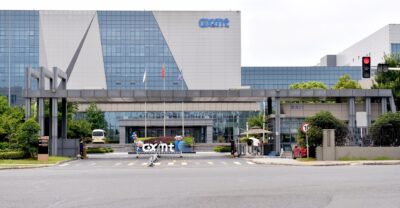
The chip manufacturer, headquartered in the Dutch city of Nijmegen, was acquired in 2019 by state-backed Chinese semiconductor firm Wingtech.
The company still makes more than 90% of the world’s most advanced AI chips and is a leading supplier for nearly every major tech firm.
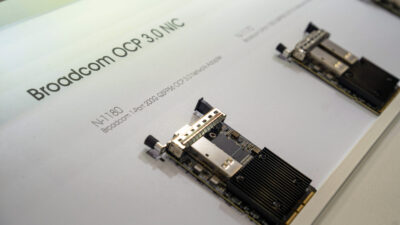
Broadcom is tight-lipped about its client list, but analysts believe its three biggest customers are Google, Meta and Bytedance.
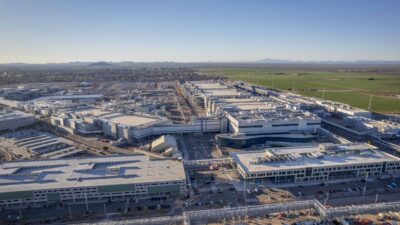
Intel has invested more than $20 billion in the new factory, which will churn out its chips in the US for the first time in nearly a decade.
OpenAI will put the chips to work in data centers that’ll power the staggering compute ChatGPT needs to remain everyone’s favorite therapist.
Unfortunately for Intel, the deal does not provide a direct lifeline to its floundering chipmaking foundry business.
‘It will require a lot of R&D investment to unlock that potential.’
Mistral has been hailed by policymakers as key to Europe’s ambitions to compete with dominant US and Asian rivals.
Nvidia reported zero Q2 sales of the H20 chip to China. It’s the latest sign of China’s decreasing dependence on the company.
McKinsey analysts forecast that quantum computing could unlock up to $1.3 trillion in economic value by 2035.