Meta Faces the Music in Twin Trials Scrutinizing Social Media’s Effects on Kids
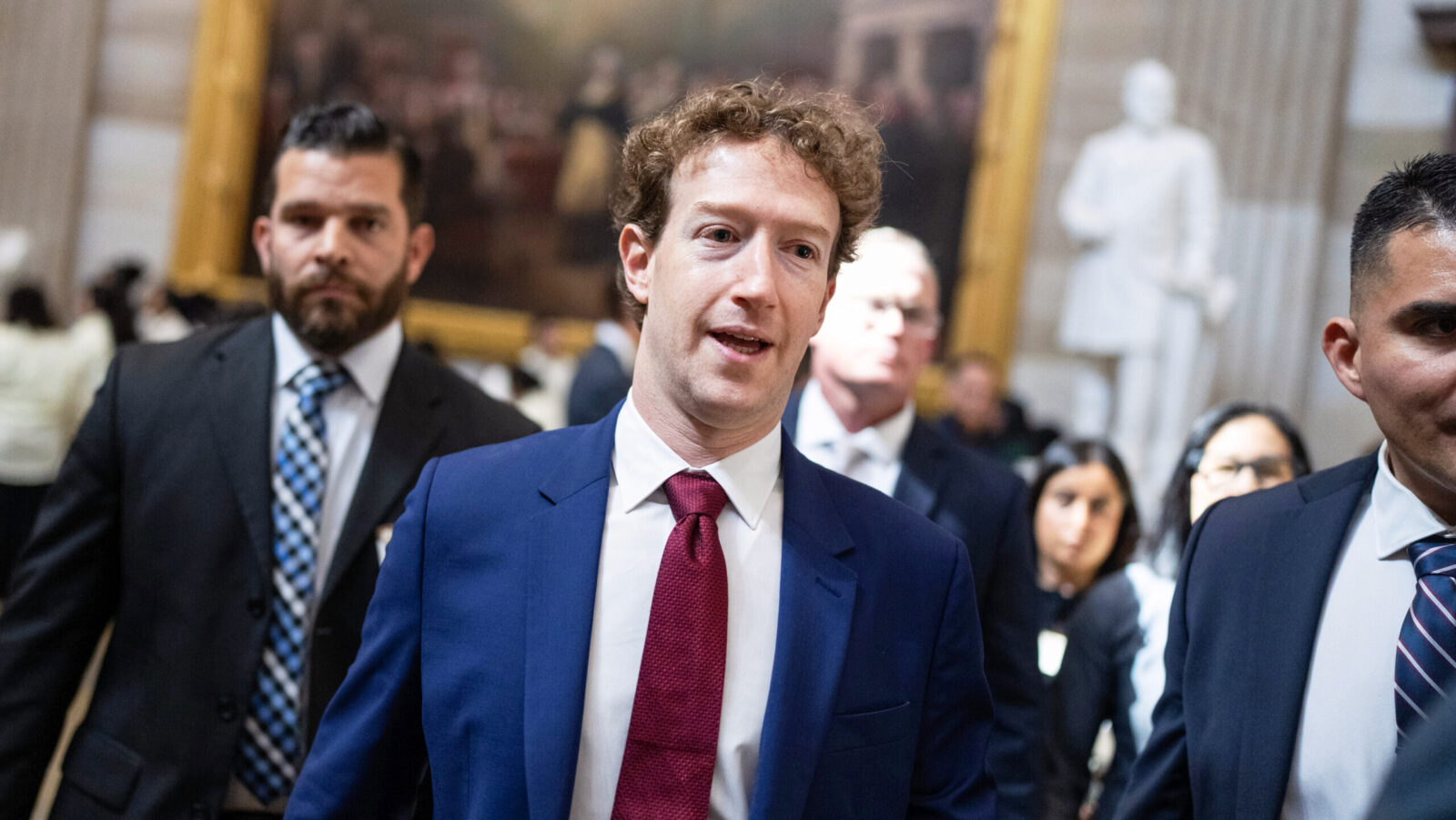
Mark Zuckerberg is expected to take the stand tomorrow in a case born of concerns that social media use harms teens’ mental health.
Sign up for smart news, insights, and analysis on the biggest financial stories of the day.

Mark Zuckerberg is expected to take the stand tomorrow in Los Angeles, where he’ll testify in a case born of concerns that social media use harms teens’ mental health.
It’s one of two trials examining how the Meta founder’s platforms affect young users. In Los Angeles, the question is whether the platforms are deliberately addictive. And in New Mexico, the court aims to determine if Meta has done enough to protect kids and teens from sexual exploitation.
The trials, which are expected to last six to eight weeks, could result in massive fines, mandated platform redesigns, and possibly, a reckoning regarding Section 230 — a provision in a 1996 law that absolves media platforms of liability for user-posted content — which critics say affords too many protections to companies like Meta.
This Generation’s Big Tobacco Trial
The pressure on social media companies has been ramping up for more than a decade, as concerns mount about the industry’s potential impacts on a generation that has grown up scrolling. Zuckerberg last year apologized to parents at a Senate hearing focused on online child safety, as he testified alongside the CEOs of TikTok, Discord, X and Snap.
In LA and New Mexico, Meta has denied allegations that it’s responsible for kids’ and teens’ mental health struggles:
- Meta told ABC that it has made “meaningful changes” to protect young users, including the teen accounts it rolled out in 2024. In a blog post, Meta wrote that blaming social media companies for teens’ mental health challenges is an oversimplification that doesn’t take into account other factors, including academic pressure and school safety. Instagram CEO Adam Mosseri likened the platform’s addictiveness to binge-watching Netflix shows during his testimony in LA last week.
- Prosecutors argue that Meta prioritized engagement, growth and, ultimately, profits over young users’ health and safety, both by failing to adequately protect them and by deliberately making its platforms addictive through features like infinite scrolling. The LA lawsuit compares the ways social media maximizes addictiveness to slot machines and cigarette sellers.
Deinfluencing: Top social platforms are facing thousands of lawsuits as public sentiment against kids and teens using the platforms has soured. More than seven in 10 respondents in a poll by The Wall Street Journal said they’d support banning most social media for people under 16. Australia already rolled out such a ban, while countries including Denmark and France are considering their own. Social media companies stand to lose a big chunk of change: A Harvard study found they made $11 billion from youth-targeted ads in 2022, with Instagram making the most of any platform off teens at $4 billion.