How Advisors Can Help Clients Weather Natural Disasters
The right preparation can help ensure that physical disasters don’t become financial catastrophes.
Sign up for market insights, wealth management practice essentials and industry updates.

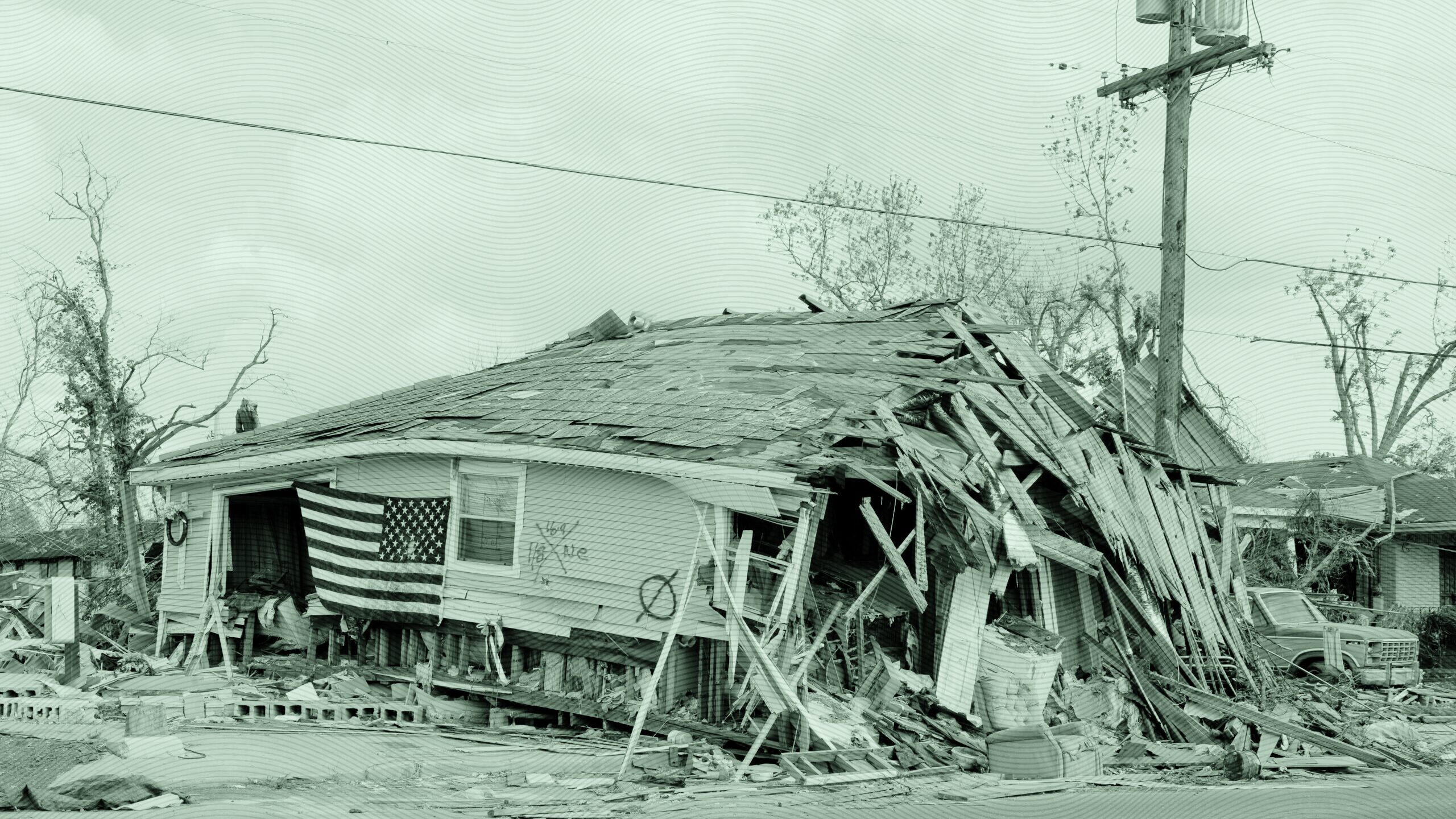
The US just weathered its hottest summer on record. Storms in the Midwest caused a blackout in Gary, Indiana, that left residents without power for 14 days. Texas battled flash flooding after its second 1,000-year rainfall event in two years. Advisors should be talking with clients about protecting their finances against worst-case scenarios.
“Having a written plan and reviewing it regularly, I think that’s a critical step,” said Andrew Crowell, vice chairman of wealth management at D.A. Davidson. “Too many people start taking vitamins after they already have a sore throat.”
Today’s Preparation Is Tomorrow’s Success
Crowell breaks down preparation into four buckets: financial, practical (the plan in the event of an emergency), communication (in case there’s no cell service) and emotional support.
On the financial side, making sure that insurance is comprehensive and up to date is one of the biggest ways for clients to be prepared. Many homeowners haven’t kept track of the rising prices of materials that they would need to rebuild their home, and the insurance they bought 10 years ago may no longer cover the actual rebuild cost. “It’s critical that people do an insurance review annually, the same way you get an annual physical,” Crowell said.
A few other suggestions:
- Digitizing: Clients should make copies of important paperwork and take a video inventory of their possessions to prevent insurance headaches afterward.
- If possible, people should avoid making big financial decisions in the first 30 days after a disaster, since it’s hard to think clearly.
- With rising insurance rates, sometimes the only answer is moving. Peter Krull, director of sustainable investing at Earth Equity Advisors, encourages clients in flood-prone areas to consider relocating somewhere with lower risks.
Haven Help Us. Even those who don’t live in areas that are typically prone to climate disasters can find themselves dealing with extreme weather events. Krull lives in Asheville, North Carolina, which was largely considered to be a “climate haven” before Hurricane Helene struck the city in 2024. “We learned that there is no such thing as a climate haven anymore,” he said. “It may not be a hurricane. But it might be a drought, or it might be different weather patterns but no place is immune … There ultimately isn’t a lot you can do other than to determine, ‘Where am I living, and what are my risks here?’”
Recent News





-

Photo illustration by Connor Lin / The Daily Upside