Meep, Meep: Ocean Park CIO James St. Aubin talks AI Bubble, Regulatory Shifts and Looney Tunes
Even if protecting clients from downside means giving up some upside, Ocean Park is willing to make the trade.
Sign up for market insights, wealth management practice essentials and industry updates.

Anything that can go wrong, will go wrong.
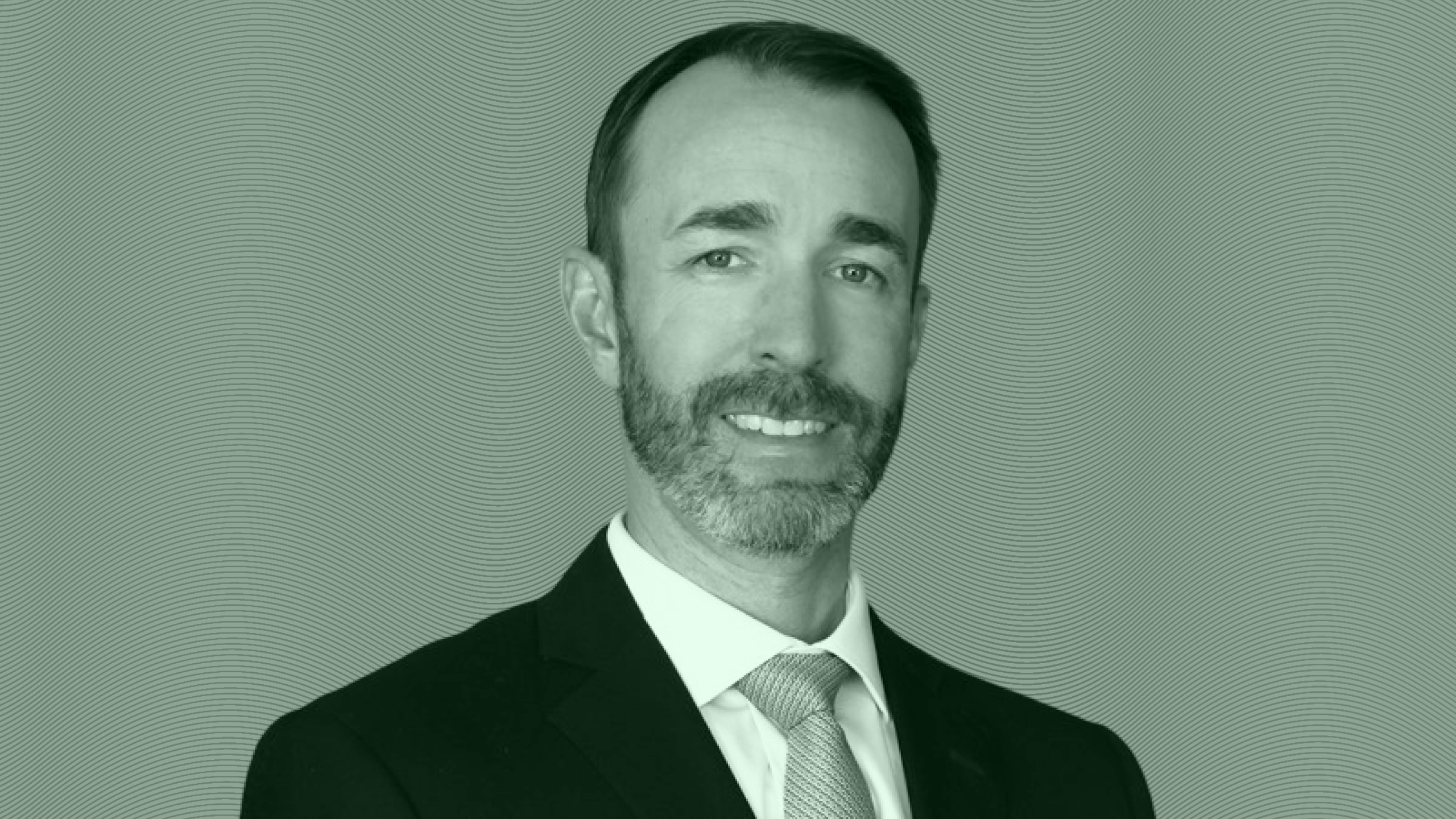
It’s not scientific fact, but as someone who worked in the financial industry during the 2008 crisis and the dot-com boom, Ocean Park CIO James St. Aubin sees the validity of Murphy’s Law, especially now that most people seem to have an AI bubble caught in their throats. “I can’t say for certain that anything is going to happen, but we can say that the market is very vulnerable to change,” he said, adding that some investors must have their rose-tinted glasses on when justifying the massive multiples in the market today. “If that [rally] doesn’t materialize, that Wile E. Coyote thing happens when you look down and there’s no ground beneath you.”
His firm is all about risk management, and Ocean Park applies a trailing stop discipline — automatically selling an investment if it falls by a set amount — to every holding in its funds. Even if protecting clients from downside means giving up some upside, the firm is willing to make that trade, so that investors stay active in the market. “Left-tail events are the ones that can throw you off track,” St. Aubin said. “They can be financially devastating, but also emotionally devastating. You see a lot of people pull their money out of the market and lock in their losses because of an event.”
Advisor Upside sat down with St. Aubin recently in Manhattan to discuss his outlook on artificial intelligence, regulatory shakeups and the ever important human element of financial advice.
AU: How does the AI bubble compare to past major market disruptions?
St. Aubin: There was a lot of bubble talk in the dot-com era because people were making money hand over fist. It was raining money. Anyone with financial knowledge was aware — we’ve seen this movie before, and it doesn’t end well. As for 2008, those risks were a bit more hidden. There were people that knew the complex plumbing of the banking system and what would happen if housing prices declined, but it wasn’t the common knowledge that the internet boom was.
Today, we’re getting to the phase in the market where you’re subjected to the curse of high expectations in terms of AI and what it can do for individual companies, specifically because it’s very narrowly driven by a select number of players. We’re not going to get a lot more multiple expansions to drive stock prices, which has been a big part of the rally. It’s going to have to be from earnings. It can happen, but we probably won’t get another 20%, 30% type of return on the S&P anytime soon. And on the flip side, you also expose yourself to a lot of downside risk. We’re kind of capped on upside and have a lot more downside in terms of earnings expectations coming back down to reality.
Do I think we’re going to have a 50% drop like how we did in the dot-com era? No. We haven’t seen the blow off the way we did back then, and there’s a bit more of a fundamentals story to these AI companies. There’s potential for a bear market. Whether it happens next year or two years from now, the market does inevitably correct itself.
What have been the most significant changes in the financial industry this year?
The tone shift from a new administration has ushered in some more progressive policies — maybe progressive isn’t the right word — but it’s opened up some doors that were previously closed to asset managers. The SEC has got a new attitude toward a lot of subjects, and one of the first steps is offering the dual share class structure beyond Vanguard. It feels like the right move, although the operational issues related to adding a dual share class are still in the works. We’ve opened the regulatory door, and [Dimensional Fund Advisors] is sort of a guinea pig for how that will work with everybody else.
I don’t see everybody rushing to do that until all those operational issues are worked out and the infrastructure is really in place. I’m a little bit skeptical that something might go wrong, because you have a potential risk of issues that affect the mutual fund hitting the ETF and vice versa, so I think there’s going to be a learning curve ahead for issuers.
Any thoughts on 2026?
It’ll be interesting to see how the retail investors and self-directed investors transition to advisor relationships as their wealth grows. We’ve seen the proliferation of the self-directed investor who’s been very successful, but at some point, as you mature in your investing life cycle, you’re going to look for professional guidance. Will that be a human being or some sort of AI agent that helps you determine what the best course of action is for you from a tax perspective? It’s not going to be one size fits all, but there will be a role for AI in financial services.
I might be a little old school, but I believe that people value human connection and want to know their advice is being driven by a human being, at least for now. Robo advisors have been out there for a while, and frankly, they just haven’t really gained the adoption a lot of people expected them to get. Not that they’re a complete failure by any stretch, but people either want to do it themselves or have a human being. The addressable market for automated advice seems to be pretty small right now. Maybe that changes as demographics change and new people start accumulating wealth, but I don’t see my mother, a boomer, or my generation, Gen X, reaching for a technology tool over a human being.
Recent News



-
Advisors Muscle Up Client Portfolios as Dollar Weakens

Photo illustration by Connor Lin / The Daily Upside, Photo by Filistimlyanin via iStock