Former Luke’s Lobster CFO’s Move From Surf to Turf
Steve Song brings cash flow lessons from the seafood business to Rackson Restaurants, where remodels and AI are now on the menu.
Sign up for smart news, insights, and analysis on the biggest financial stories of the day.

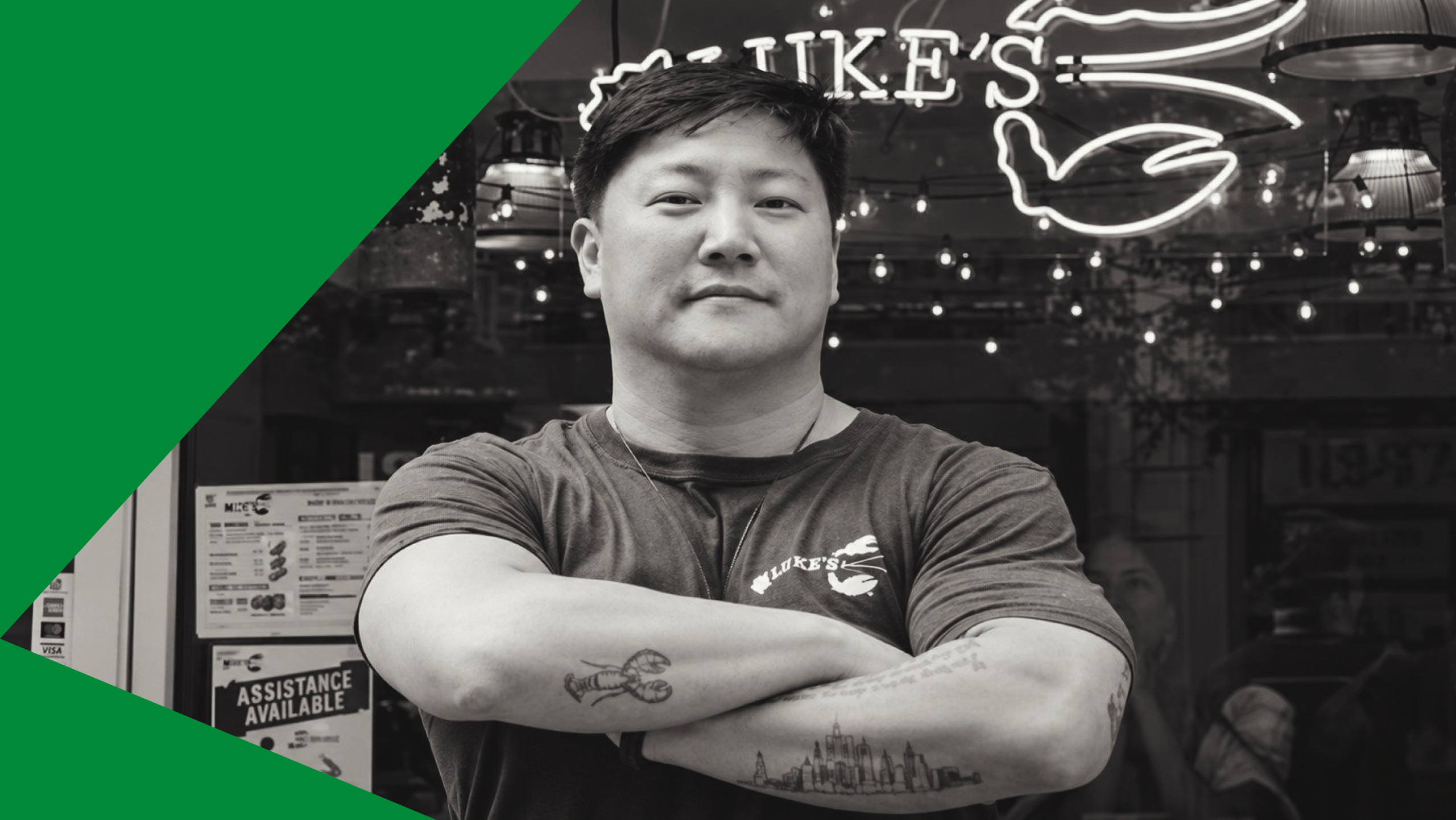
Last year, Steve Song traded lobster rolls for flame-broiled burgers.
As the former CFO of Luke’s Lobster, a seafood restaurant company with a global wholesale business, Song managed a working capital structure that required paying fishermen in cash within three days while waiting weeks to collect from customers.
Now as CFO of Rackson Restaurants, Song oversees finance for a franchise operator with nearly 100 Burger King locations, a few Dave’s Hot Chicken restaurants and more than 1,500 employees across the Northeast, mid-Atlantic and Cleveland, Ohio, area. Now, keeping cash available for new restaurants and remodels is a central part of the job.
“The difference between Luke’s and Rackson is I don’t have the wild swings of seasonality,” Song said. “I don’t have the working capital dynamic I did at Luke’s, where I’m paying out vendors 30-60 days ahead of collecting on AR.”
Whether his product comes from land or sea, liquidity remains a priority. “I’ve always said cash is the oxygen of a business,” Song said. “If you don’t have cash, you can’t keep going.”
A Fresh Coat of Capital
Building restaurants and remodeling older locations requires Rackson to set aside cash alongside the recurring expenses that fast food brings. Some Burger King restaurants have older facades that need updating, leaving Song to determine which locations receive funding first. “I need to make sure we have cash flow earmarked for those investment opportunities,” he said.
Expected financial returns help establish one ranking in determining which stores get remodeled, he explained. “If I invest X dollars to remodel, what is the return on that investment per store? What is the lift in sales and profitability?” Song said. “I would probably rank them that way.”
A store’s age can move it up the list, he said, while cash conservation may favor a less expensive project. Under those circumstances, “I might focus on which remodels require the least amount of dollars and go in that order,” Song explained.
By keeping those rankings separate, he gives Rackson’s stakeholders a clearer view of why their priorities differ before identifying investments that satisfy several needs. “Otherwise, the discussion is too commingled with various agendas and interests,” he said.
Song broke down why the franchise relationship also divides some of the responsibility for restaurant performance. Rackson handles site selection and operating expenses, including labor, while the brand oversees marketing and menu development. “There’s a shared responsibility and goal of serving guests, taking care of your team, generating sales and hopefully profit,” Song said. “We just have different areas of focus.”
Taking Orders From Operators
Before introducing changes, Song said it was important to learn Rackson’s systems and understand his predecessors’ decisions. “I think the reputation for new executives is that they come in and want to run their old playbook with the new team,” he said. “I wanted to make sure that wasn’t perceived as the reason changes were being made.”
Restaurant operators and those in direct contact with customers have since gained more influence over back-office priorities. Their feedback identified a need for better labor scheduling, Song said, and more accurate reporting on actual versus theoretical food costs per menu item.
“We want our team’s restaurant operators to be our clients,” he said. “We need to pay attention to our operating partners and truly understand what their teams need, want and expect to do their jobs.”
That feedback gives the technology and other executive decisions a clearer purpose and vision for all of the moving parts the franchise model entails. “Otherwise, we had departments coming up with ‘solutions looking for problems’ and asking operations to follow them,” he said. “That was backwards in my opinion.”
With AI, Song initially urged patience as enthusiasm spread among executives at Luke’s. “It was too early, and it couldn’t do the things they thought it could do, but they were very focused on using AI somehow,” he said.
Now, Song said Claude Cowork changed his assessment process as a CFO because it could perform tasks, an appealing capability for a finance leader with no coding experience. “I didn’t want instructional guidance on how to do something,” he said. “I wanted AI to do it for me.”
Starting with simple Excel tasks, his team progressed toward creating dashboards and building agents. Song said employees are “all increasing their productivity by at least three times, if not more.”
He broke down how Cowork’s ability to execute tasks marked the turning point. “Cowork took a chatbot and gave it the ability to take action,” he said. “When that came out, that was when I really engaged.”
Open 24 Hours. His next ambition extends that work beyond tasks employees actively supervise. “Now our next step at Rackson is figuring out how to create agents that perform work while we’re doing other work or sleeping at night,” Song said.