How CFOs Build a Career After the Full-Time Job Ends
Bona Allen and Joseph Falcao are putting their experience into fractional work, board service and advisory roles, with different approaches to what comes next.

Sign up for smart news, insights, and analysis on the biggest financial stories of the day.

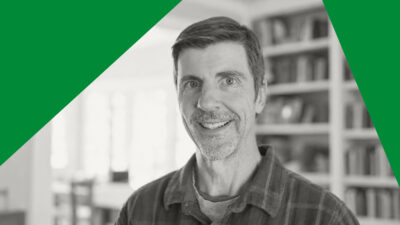
Bona Allen is willing to consider another full-time CFO job, which makes retirement a little difficult to define.
Since leaving Kajima Building & Design Group, an international design and construction company, Allen has taken on a nonprofit board chair role, tried fractional finance work and considered opportunities that could put him back inside a company.
He has more flexibility and room to travel, but he hasn’t ruled out returning to the schedule he left. “I envisioned initially doing some part-time or interim type work, but I’m not as busy as I thought I would be,” Allen said.
Joseph Falcao has built a more formal arrangement since leaving his CFO post at Bose Professional, a maker of commercial audio equipment, in June.
Through FalconPax, his finance leadership and advisory practice, he takes on fractional CFO assignments and strategic advisory work alongside his board commitments. Those include StonehamBank, a Massachusetts community bank, and Scrum Alliance, a nonprofit that provides Scrum training and certifications.
Their experiences offer two versions of life after the full-time finance seat. Allen is testing what fits and keeping his options open, and Falcao has organized his work around several ways companies can use his experience. Neither path requires giving up finance, although both raise questions about which responsibilities to accept and where to draw boundaries. For Allen, the filter is straightforward. “Culture, respect and making sure that I can actually bring value,” he said.
Picking Your Shots
One fractional assignment showed Allen that a familiar business problem can come with unfamiliar complications. A friend with a fractional CFO and bookkeeping practice connected him with a healthcare business looking to expand its clinics. Allen’s background in real estate from his time at KBD made part of the assignment a fit, and he could help with expansion and investor relations. The company’s insurance reimbursement process was another matter.
“On the real estate side and investor relations, I was working with investors. I’m all over that. I’ve done it for years,” Allen said. Understanding the delays in payments, including claims involving Medicaid, required experience he didn’t have. He stepped away and recommended that the business find someone with a stronger understanding of the sector.
That experience hasn’t closed the door on fractional work, though. Allen said he would consider another assignment, an interim position or a permanent job. He isn’t limiting the search to a particular company size, either. His career has included startups and public companies, and he sees appeal in working with an entrepreneurial business looking to grow. “I’m being very selective,” he said.
Falcao’s practice is organized around situations he has encountered across his own career. Things like carve-outs, refinancings, international operations and acquisition integration. His work at Bose Professional involved simplifying finance after a separation from a larger parent. At Thrasio, an acquirer and operator of consumer brands sold on Amazon, he helped build the finance function as an early employee.
He explained how those experiences inform how he evaluates what a business needs. “The two jobs look very different, but the test I use is the same: Does this process still serve the decisions the business has to make today?” Falcao said. He describes a similar test for the work finance teams produce. “Every report costs preparation time, review time and attention, so if no one could name the decision it informed, it went.”
For someone taking on a finance assignment, that approach starts with understanding what the company already has. Falcao said he preserves the processes teams trust and auditors and lenders rely on, while reconsidering work designed for an earlier stage of the business. “The most important thing to preserve is usually people,” he said. “Institutional knowledge sits in a few key individuals, and a new CFO who rebuilds without them pays for it later.”
Changing Seats
Board service gives both former CFOs another place to use their finance brain in an operational capacity.
Allen chairs the board of 3Keys, an Atlanta nonprofit focused on ending chronic homelessness. The position is voluntary and part time, although he said nonprofit oversight can involve more hands-on work. He also remains active in the Private Directors Association, a professional group for private company directors, and CFO Leadership Council, a network for finance executives.
Falcao’s experience presenting to directors and serving alongside them shapes what he wants from a finance chief: early warning, context and a recommendation. “Directors can handle bad news; what hurts is learning about it late,” he said.
Falcao said good CFOs explain developing risks before they become urgent, including pressure on cash, dependence on individual employees and weaknesses in controls. “The CFO doesn’t need to predict them, only to show the board the company has thought through liquidity, insurance and a response plan before one hits,” Falcao said of major potential disruptions.
Both former finance chiefs also emphasize giving other people room to do their jobs. Falcao invokes Molly Graham’s idea of “giving away your Legos”: handing responsibilities to people equipped to manage them as a company grows. Allen describes his own approach more bluntly. “Give people the tools and get the hell out of their way,” he said.
He also advises finance leaders to set boundaries before the job takes a toll on their health, a lesson he learned while working long hours earlier in his career. “Maintain your own health so that you can be your best for your company and your family,” Allen said.
One Foot In: For Allen, deciding how much work to take on remains an open question. He enjoys the flexibility, has adult children he can travel to see and still believes he has something to contribute. Leaving the full-time position has given him room to consider what that contribution should look like. “I don’t feel like I’m halfway out the door,” he said of his own career.
Recent News




-
How CAVA’s CFO Portions Out Growth

Photo via CAVA

-
What’s Cooking With Campfire’s Pending CFO Role?
Photo via Campfire