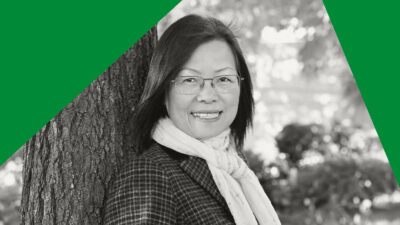
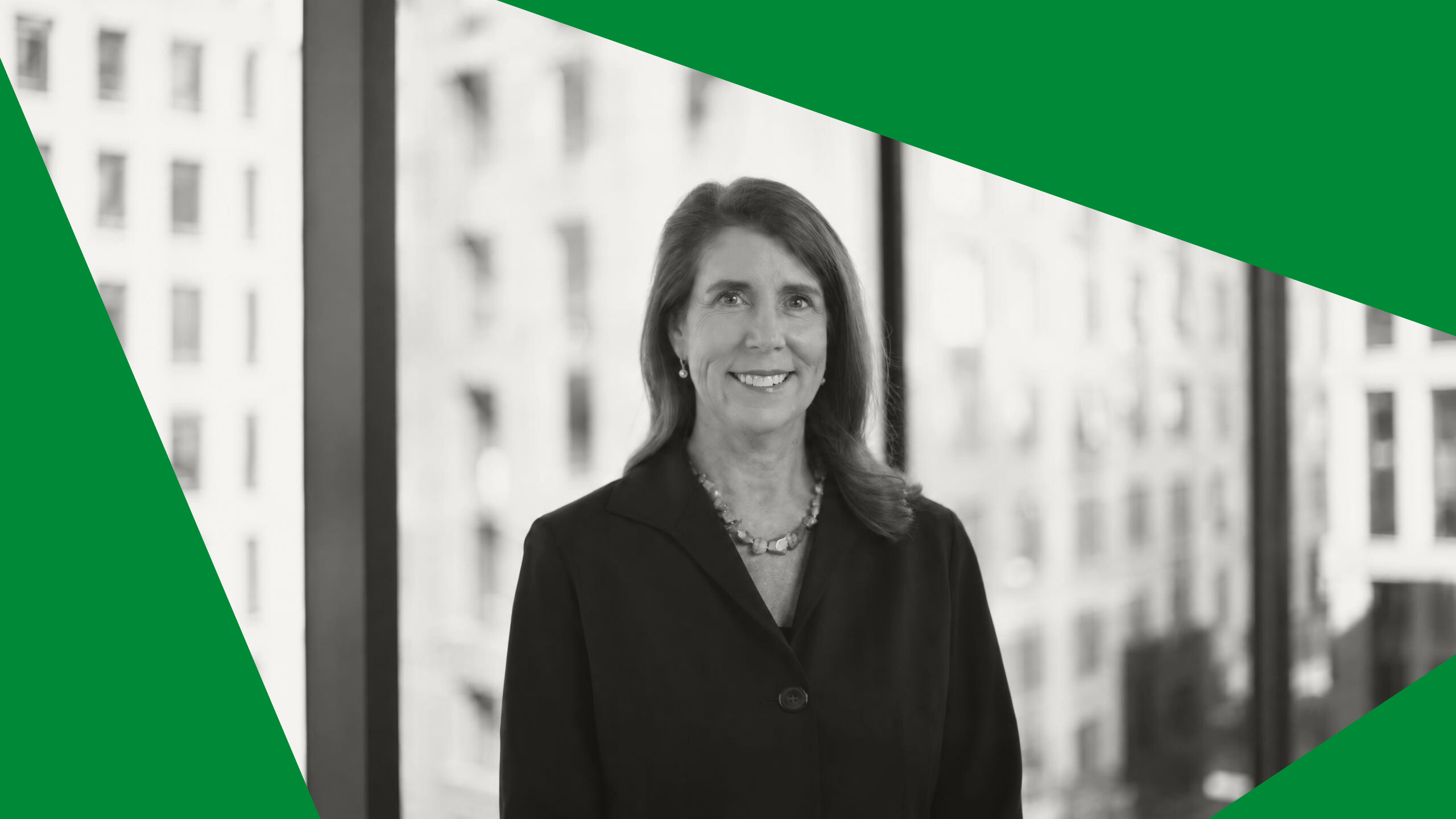
How CAVA’s CFO Portions Out Growth
Tricia Tolivar explains why having general managers ready to lead matters most when deciding how fast to open new restaurants.
Sign up for smart news, insights, and analysis on the biggest financial stories of the day.

Before CAVA opens another restaurant, its CFO Tricia Tolivar wants to know who’s ready to run it.
The Mediterranean fast-casual chain has a strong pipeline of real estate, Tolivar said, and the economics of its new restaurants make a case for opening more. She can imagine the question from anyone looking at those results. “Your consumers love the brand. Your guests keep coming. Your economics are great. Why don’t you do more?”
“The most important factor is making sure we have the right general managers, the role-ready general managers to open those restaurants,” Tolivar told CFO Upside in a recent interview. The idea, she said, is to make sure a new restaurant can deliver the kind of service that makes guests want to come back. Tolivar looks at employee turnover and guest satisfaction alongside sales and operating results when weighing how fast to grow.
Tolivar took the founder-led chain public in 2023 and tries to balance expansion with maintaining quality.
“I believe my role is to figure out how to get to yes in the best way possible,” she said. “That means taking a hard look at growth ideas and weighing what makes financial sense against how each decision will affect employees and guests.”
When asked what gets cheaper as CAVA grows, Tolivar said she looks for efficiencies while continuing to invest in the restaurants. She pointed to a redesign that brought softer seating and better lighting to new locations during a period of rising expenses. “The team was able to do [it] in this kind of environment without driving a lot of incremental costs,” she said.
Ingredients From Costco
One of Tolivar’s examples of how to manage growth came from the warehouse aisle at Costco.
She pointed to how the big-box behemoth rotates products through its stores and can give a popular item a permanent spot. CAVA takes a similar approach with its menu. When an item like steak proves popular enough to stay, Tolivar said, something else has to come off.
“We want to make sure that we’re not increasing the complexity for our team members and making their jobs harder,” she said. “Happy team members yield happy guests and ultimately a happy P&L.”
Before she became a CFO, Tolivar learned what it takes to run a business during her time at AutoZone from 1996 to 2005. She had her sights set on a finance chief role when AutoZone’s CEO asked her to lead its commercial division, which she described as the company’s second largest at the time. He told her that running a business would make her a better CFO. “He was absolutely right,” she said. Leading a sales team and running operations gave her experience she later brought back to finance.
Her advice to finance chiefs who want more operating experience starts with spending time alongside the people doing the work. CAVA encourages corporate employees to work in its restaurants every quarter through what it calls “shoulder-to-shoulder” experiences. The point is to see the business from the crew’s side of the counter. “You can find opportunities to embed yourself as a partner in that organization,” Tolivar said.
Eating at Home
CAVA built its own ordering platform early so it could decide what the experience felt like on a guest’s phone. “We’re in the hospitality business,” Tolivar said. The goal was to “recreate that in-restaurant experience digitally” for guests ordering pickup or delivery. Building the platform while CAVA was smaller also helped limit the fees it would have paid as orders grew, she said.
“The next phase is our data foundation and investing in our data in the same way,” Tolivar said. She described CAVA Core as the company’s data foundation and said CAVA is building tools around it, including CAVA Current, to bring information together from different parts of the business. That gives the company a base to build on when it brings in outside partners.
“I had been a skeptic, but I have fully embraced AI and encourage our team and organization to embrace it as well,” she said. She’s open to evaluating newer finance systems and said the level of risk can change with the size of the company adopting them. “Just make sure you do your due diligence and apply the appropriate governance,” she said. “What might be right for CAVA may not be right for someone else, younger or more mature.”
Tolivar brought up paper ledgers when asked how finance chiefs can train junior employees as AI takes on some of the work they used to learn by doing. She’s seen the tools change before, and she thinks the way teams teach the job has to change with them. “I don’t know that the entry-level role is disappearing,” she said. “It’s evolving and changing, and we need to evolve and change with it.”
Ask for Seconds: One lesson she learned early in her own career was to trust the instinct that tells you to ask one more question. When she brushed something off, she sometimes found herself wishing later that she’d thought about it a little longer. The skill, she said, is learning to “ask those questions in a way that is exploratory, not accusatory, so that you’re developing your partnerships at the same time.”
Recent News
-
How Sysdig’s CFO Found Strength in Vulnerability

Photo via Karen Walker



-
Why Lamborghini’s CFO Thinks Europe Rushed the EV Shift
Photo via Automobili Lamborghini