Sign up for smart news, insights, and analysis on the biggest financial stories of the day.

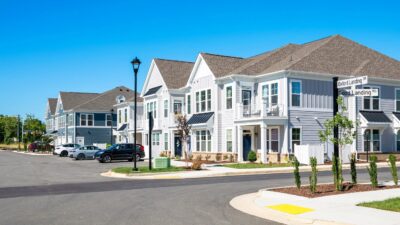
Could putting the kibosh on homebuilders’ stock buybacks help fix the nation’s affordability crisis? The White House certainly thinks so.
Last week, Federal Housing Finance Agency Director Bill Pulte told The Wall Street Journal that the administration is “studying” how much homebuilders are spending on repurchasing their own shares and said the industry is deliberately keeping prices high. That, in turn, erodes consumer purchasing power by driving up housing costs, the largest living expense for average Americans. As of December, the median sales price for existing homes was $405,400, up 0.4% from last year and well above the $309,800 in 2020.
Low Supply, High Demand
“They’re making, in some cases, more money than they’ve ever made, and they’re buying back stock like never before,” Pulte said. Stock buybacks, which companies use to reward shareholders or when they see their stock as undervalued, have long come under scrutiny from policymakers. That hasn’t stopped builders: In fiscal 2025, D.R. Horton and Lennar forked over $4.3 billion and $1.7 billion, respectively, to buy their own stocks. PulteGroup, founded by Bill Pulte’s grandfather, spent $900 million on buybacks during the first nine months of 2025, and KB Home’s total repurchases for the year ended Nov. 30 added up to $538.5 million. In October, KB Home’s board of directors greenlit the repurchase of up to $1 billion of the company’s stock.
And homebuilders’ stocks are surging. As of market close Friday, the iShares US Home Construction ETF was up 11% for the year — far above the S&P 500’s 1.2%.
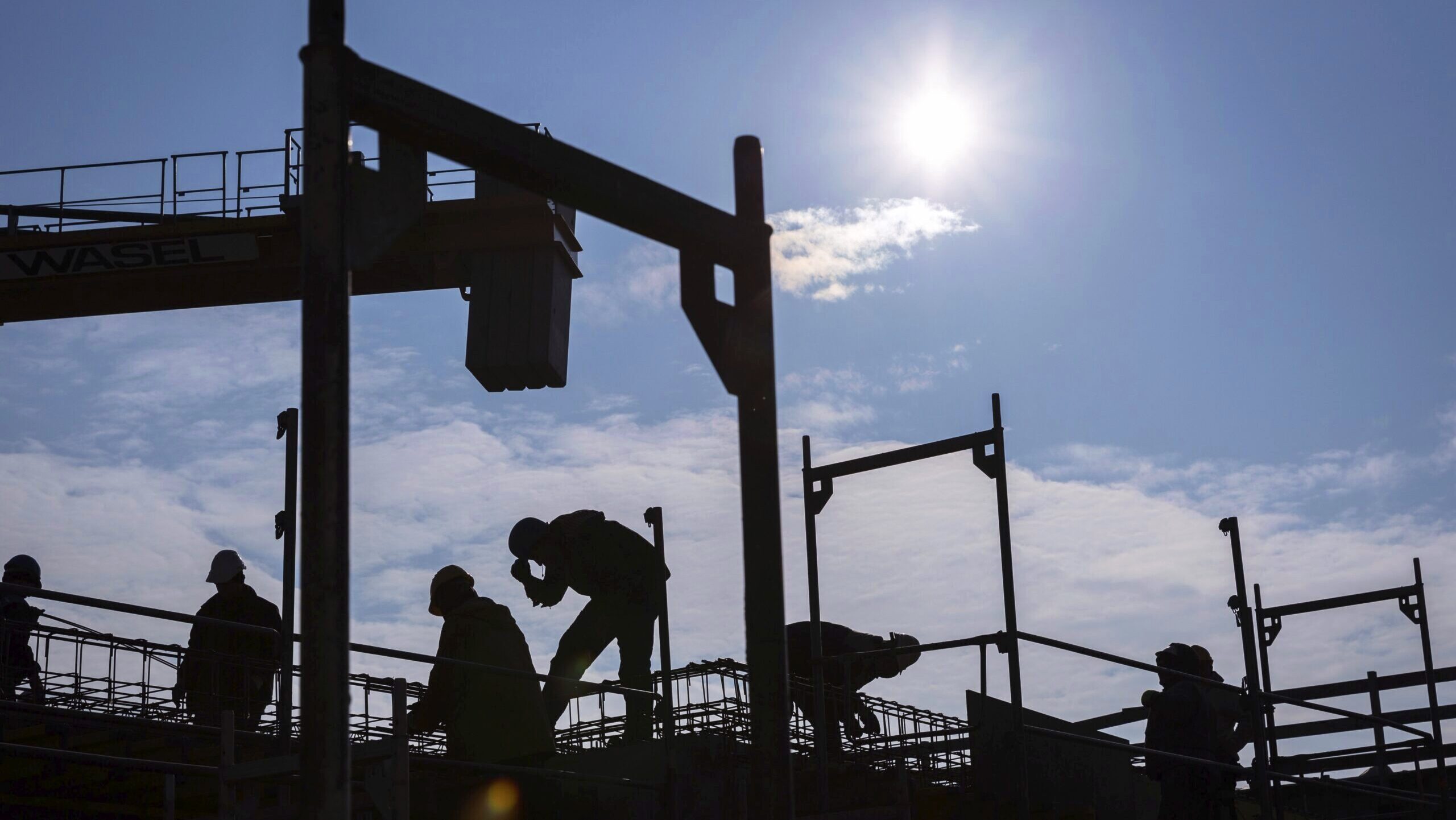
But there’s one key thing those homebuilders don’t appear to be doing as much of: building new homes. The latest data from the Census Bureau shows that housing starts in October fell 4.6% to an annual rate of 1.25 million, the lowest level since May 2020. National Association of Home Builders Chairman Buddy Hughes said in a December statement that “builders are contending with rising material and labor prices, as tariffs are having serious repercussions on construction costs.” The organization didn’t immediately comment on the buyback scrutiny on Friday.
While there’s a supply shortage, the same can’t be said for demand:
- Existing-home sales jumped 5.1% in December to a seasonally adjusted annual rate of 4.35 million, the strongest pace in nearly three years, according to the National Association of Realtors.
- Refinance demand surged 40% for the week ending Jan. 9, following a drop in mortgage rates after President Trump said he was instructing “representatives” to buy $200 billion in mortgage bonds to bring down housing costs.
Reward System? In the face of a growing affordability crisis — and Trump’s recent promise of “some of the most aggressive housing reform plans in American history” — Pulte told Barron’s last week that the administration is evaluating “incentivizing builders who are working constructively with us with appropriate pricing.” He also said officials are “looking at the builders who are maybe not working constructively with us and evaluating their pricing, as well.”
Recent News

-

Photo by https://unsplash.com/photos/condo-neighborhood-in-the-suburbs-ROVuTYG_jso via Unsplash


-
The Taxman Still Cometh, But May Take Away Less

Photo illustration by Connor Lin / The Daily Upside




-
Photo illustration by Connor Lin / The Daily Upside, Photo by Gearstd via iStock