Bank Earnings Deluge Offers a Consumer Stress Test
Loan loss provisions — the allowance banks set aside to cover bad debt — is a key data point to watch regarding consumer health.
Sign up for smart news, insights, and analysis on the biggest financial stories of the day.

Economists are banking on Wall Street to reveal the true state of the American wallet.
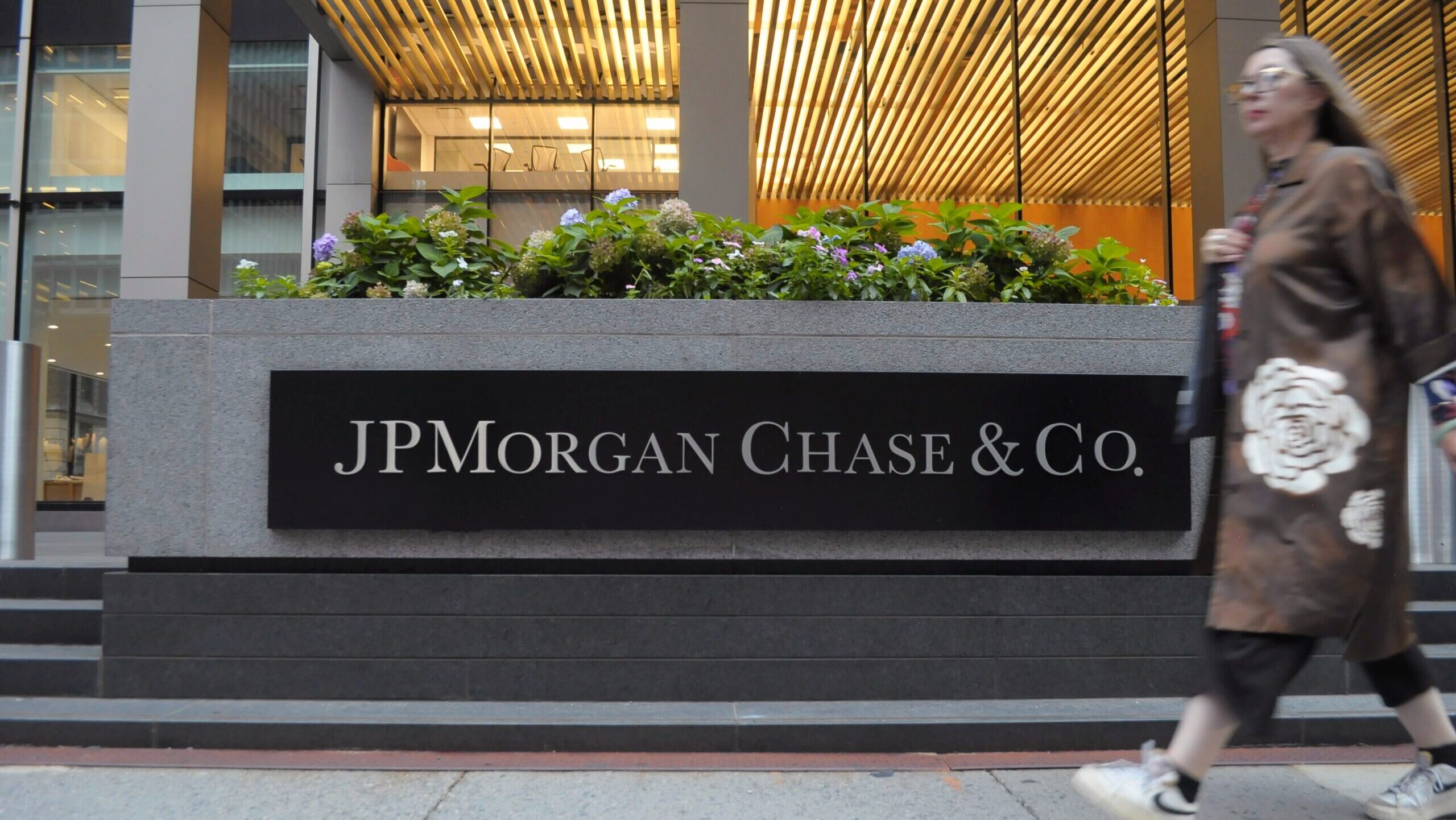
JPMorgan Chase, the largest US lender, will report earnings today, kicking off a parade of bank earnings throughout the week. While the figures will be closely watched for indications of how banks are weathering sticky inflation and declining interest rates, experts seem especially eager for insight into how consumers are coping with weakness in the labor market and broader economic uncertainty. The government shutdown late last year disrupted data collection, and this week’s numbers may fill some gaps.
Loan loss provisions — the allowance banks set aside to cover bad debt — is a key data point to watch regarding consumer health, Sean Dunlop, director of equity research at Morningstar, told The Daily Upside.
“The expectation for loan losses itself is a derivative of banks’ expectations for GDP growth, unemployment rates, interest rates, home prices, inflation and a handful of other macroeconomic variables that affect borrowers’ willingness and ability to repay their loans,” Dunlop says.
Credit Card Cap
If loan loss provisions are growing, it may be a sign that consumers are cracking under sky-high credit card interest rates. The average rate is 19.65%, according to Bankrate’s most recent analysis. That compares with 20.14% a year ago and 13.16% at the start of 2008, the year of the global financial crisis.
President Donald Trump says he’s trying to remedy that, though it’s unclear what the plan is. He took to social media late Friday to declare a one-year 10% cap on credit card interest rates, effective Jan. 20, the anniversary of his inauguration. The news rattled the shares of major banks and credit card processors like Visa and Mastercard, but the industry seems skeptical it will come to fruition. Analysts at Morgan Stanley wrote in a note Monday that a permanent cap is unlikely, pointing to repeated efforts by lawmakers to enact similar rules. The analysts said, however, they can’t rule out a “temporary arrangement with banks, given the current administration’s economic policies, which have included more direct engagement with Corporate America.”
The industry was quick to react:
- The Bank Policy Institute, American Bankers Association and other industry groups released a joint statement saying that “a 10% interest rate cap would reduce credit availability and be devastating for millions of American families and small business owners who rely on and value their credit cards, the very consumers this proposal intends to help.”
- John Ulzheimer, credit expert and president of the Ulzheimer Group who has worked at FICO and Equifax, told Bloomberg that a cap could mean banks stop issuing cards to people with credit scores below a certain threshold.
Earnings Schedule: JPMorgan is the first of the bank behemoths to offer insight into its financial health heading into 2026. Citigroup, Wells Fargo and Bank of America report earnings tomorrow, while Goldman Sachs and Morgan Stanley share their figures Thursday and PNC on Friday. Bloomberg’s data show that analysts expect lenders in the S&P 500 to report year-over-year earnings growth of 8.1% for the fourth quarter.
Recent News





-

Photo illustration by Connor Lin / The Daily Upside, Photo by Konbturut Woradee via iStock



-
Photo illustration by Connor Lin / The Daily Upside, Photo by Gearstd via iStock